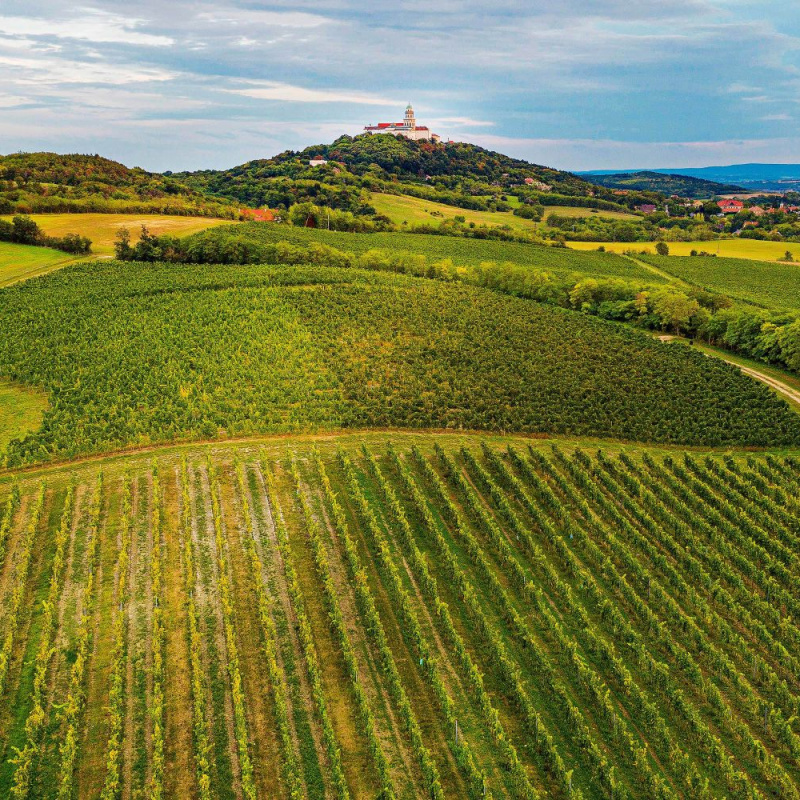
 Hungary
Pannon
Pannon, a historic region spanning parts of Central Europe, yields robust red wines and fruit brandies, shaped by its continental climate.
 LQRS
LQRS
Discover
Explore drinks by category, producer, origin, taste, and the places that shape them.
Sense of place
Showing 44 of 224
Hungary
Pannon, a historic region spanning parts of Central Europe, yields robust red wines and fruit brandies, shaped by its continental climate.
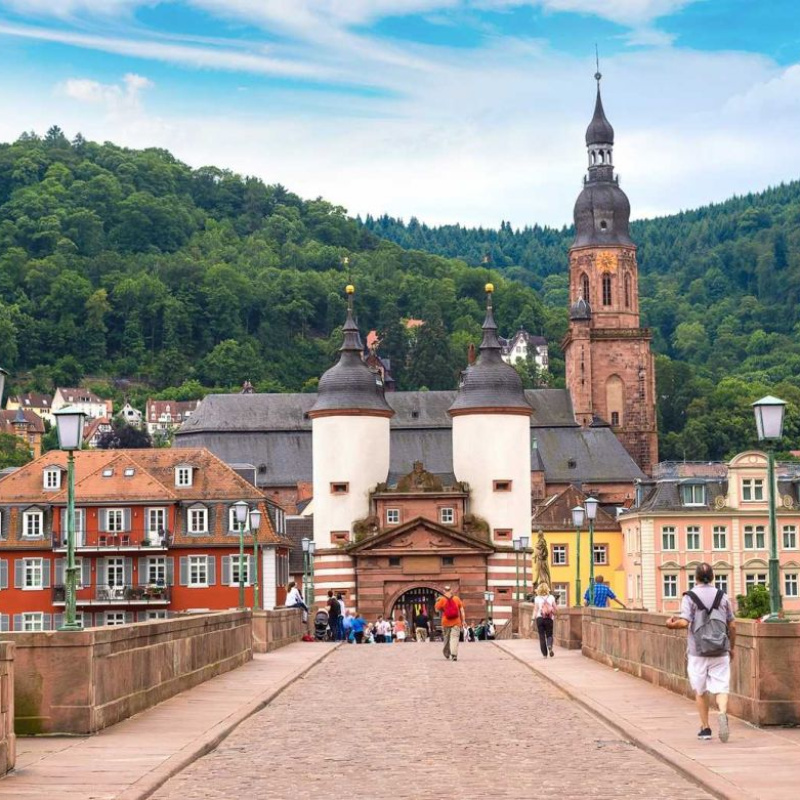
 Germany
Württemberg, in southwest Germany, is renowned for its Trollinger and Lemberger wines, often light-bodied reds.
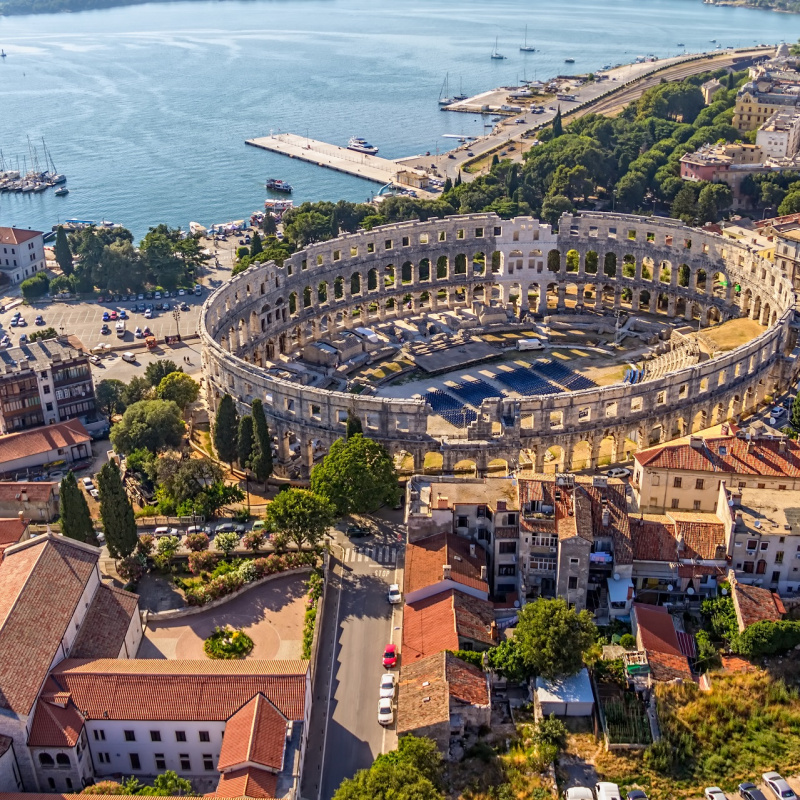
 Croatia
Istria, Croatia, produces robust, sun-drenched wines, particularly Malvazija, alongside potent grappa (rakija). Traditional pot stills are common.
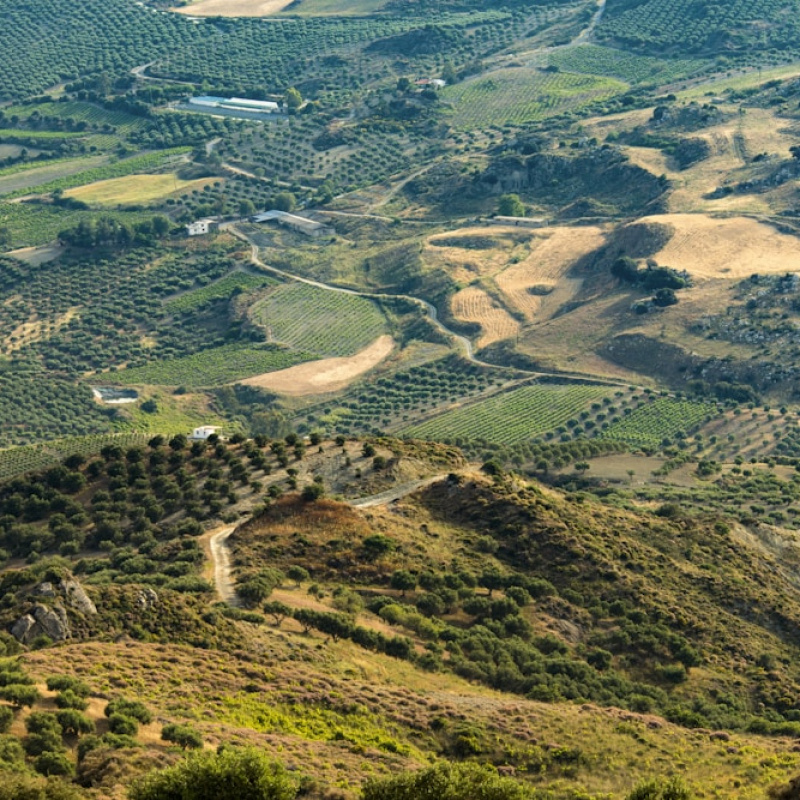
 Israel
The Judean Hills, with their Mediterranean climate, yield grapes for traditional, often dry, wines. Historically, small-scale, natural fermentation methods prevail.
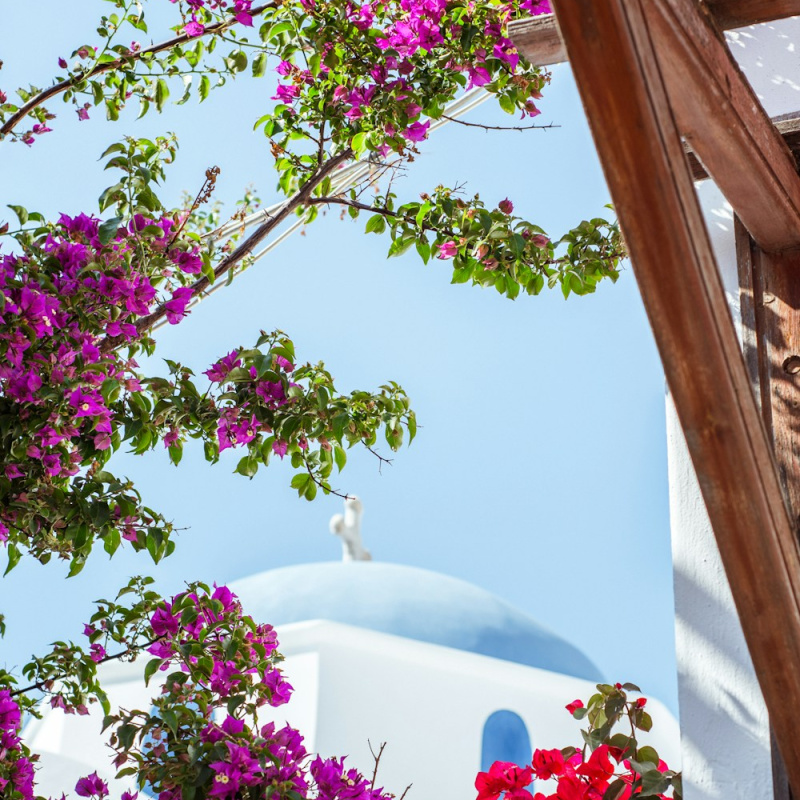
 Greece
The Aegean Islands, kissed by sun and sea, yield unique wines from volcanic soils and sun-ripened grapes.
 Germany
Badischer, in southwest Germany, primarily produces dry, aromatic white wines, particularly Riesling and Pinot Blanc, influenced by its warm, sunny climate and loess...
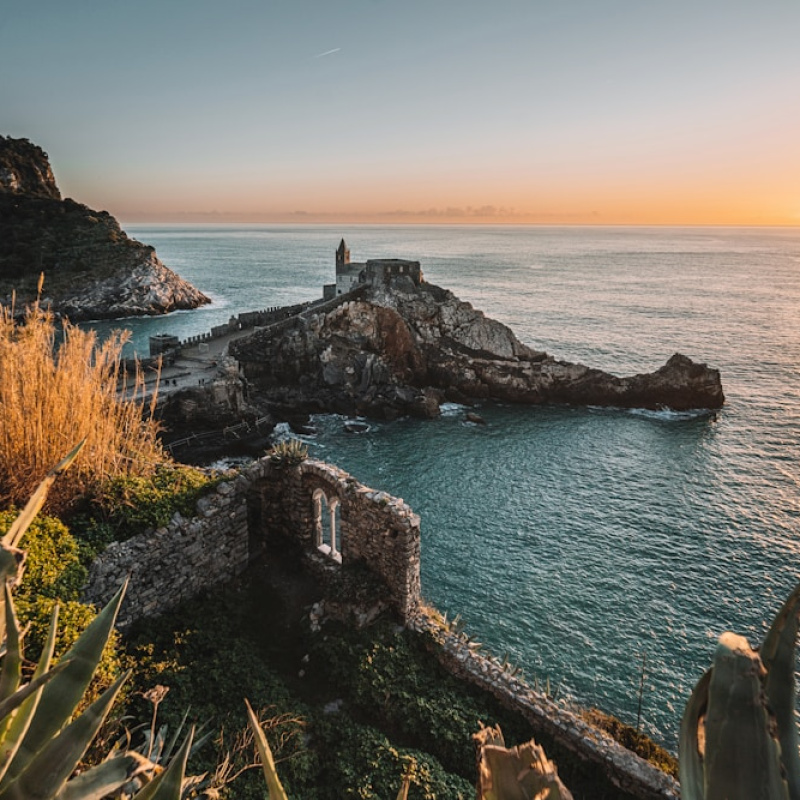
 Italy
Italy
Liguria's steep, terraced vineyards yield crisp, dry Vermentino and Rossese wines, influenced by a maritime climate. Traditional production is small-scale and artisanal.
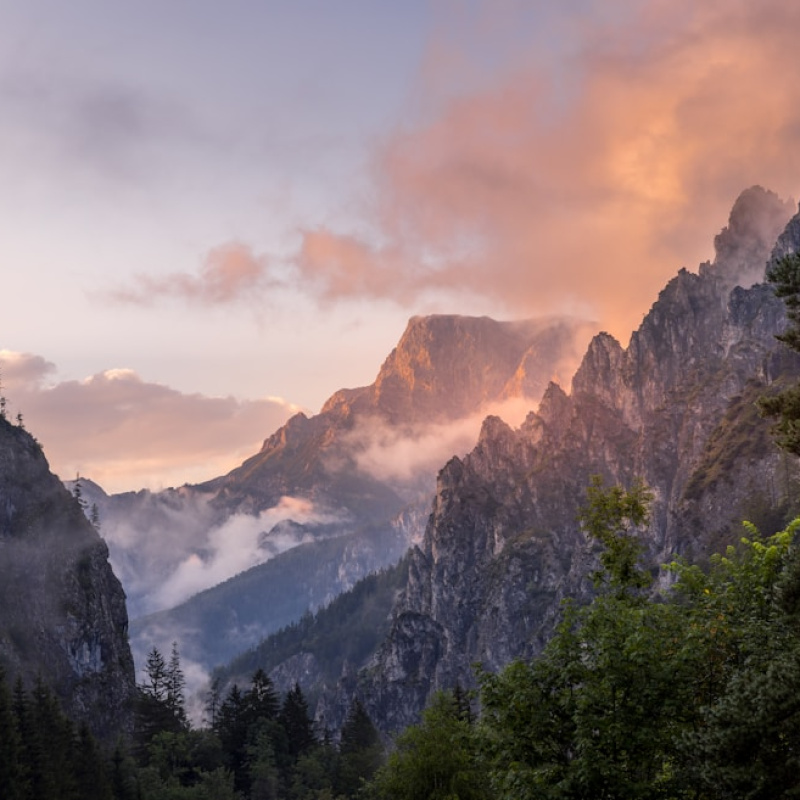
 Austria
Steiermark, Austria, is renowned for its distinctive *Schilcher* rosé wine, made from the Blauer Wildbacher grape, alongside fruit brandies, particularly apple and...
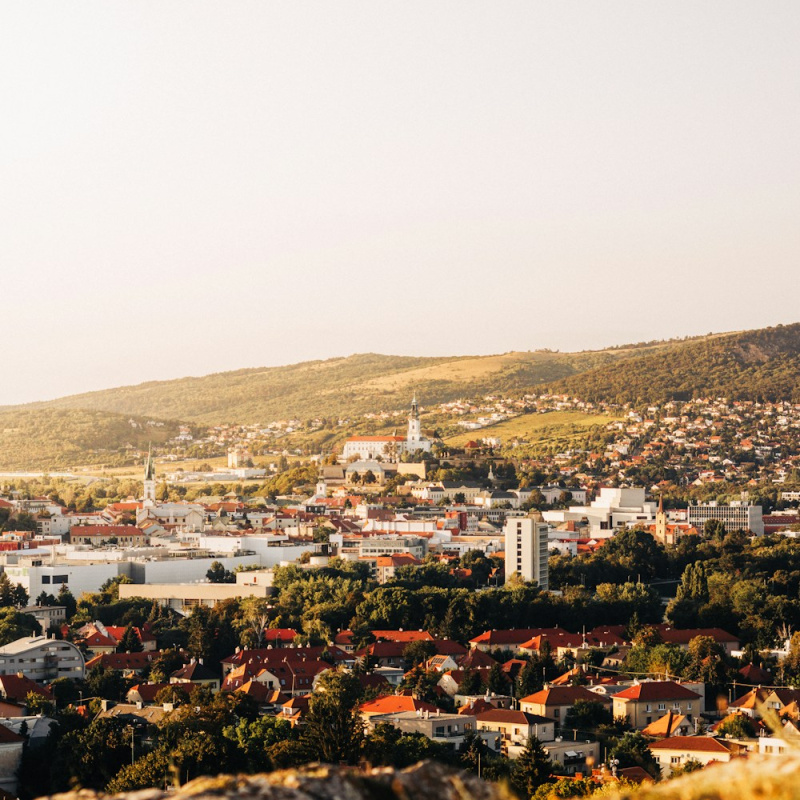
 Slovakia
Nitra, Slovakia, boasts a rich history of winemaking, influenced by its warm climate and fertile soils.
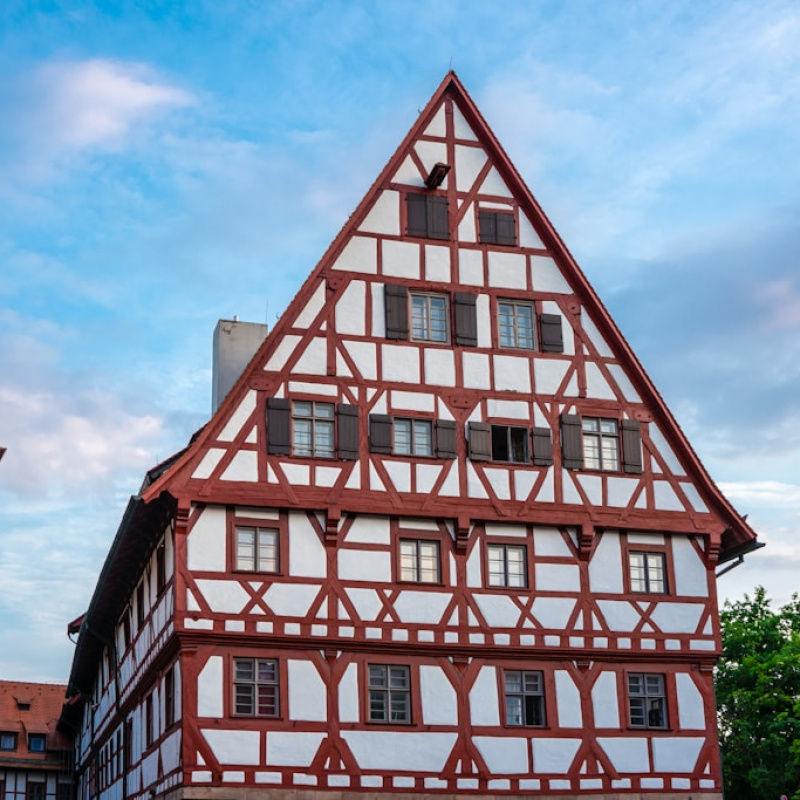 Germany
Franken, Germany, is renowned for its dry, earthy Silvaner wines, uniquely bottled in the Bocksbeutel flask.
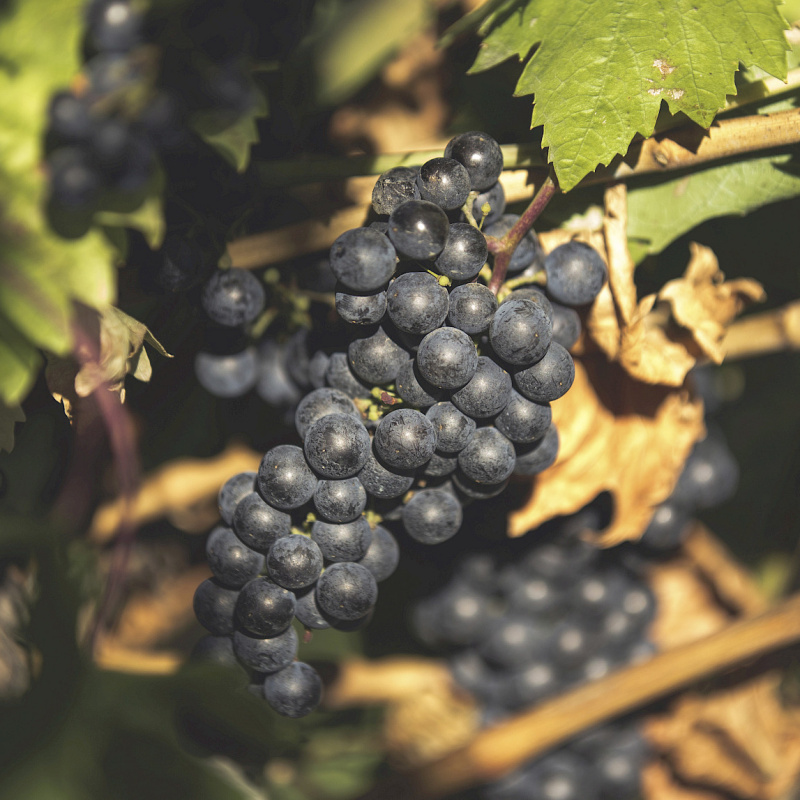
 Romania
Cotnari, Romania, is renowned for its sweet, botrytized white wines made from indigenous grape varieties.
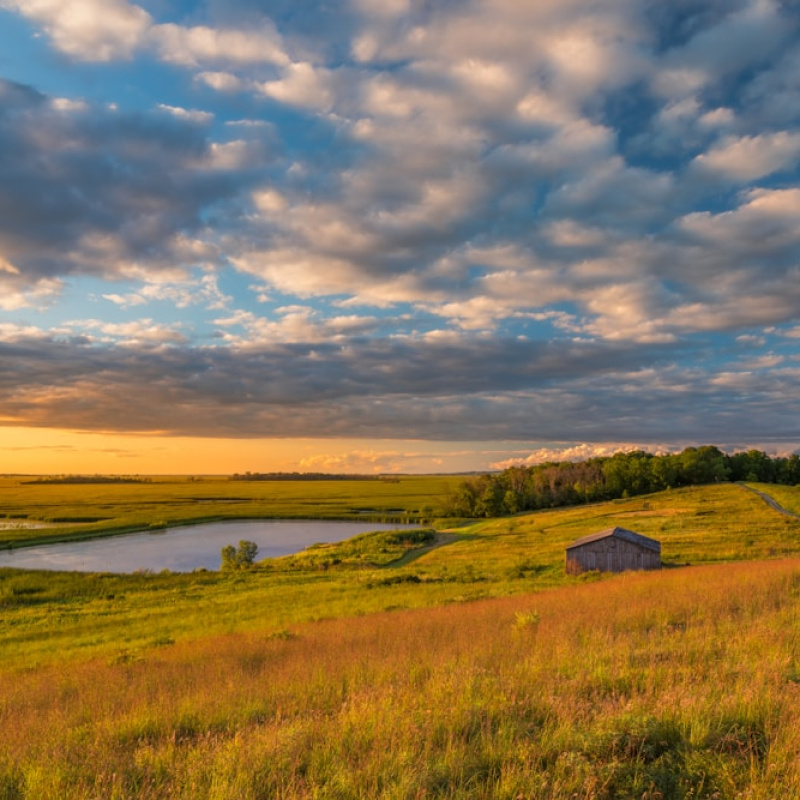
 United States
Wisconsin, traditionally a beer and brandy state, also boasts a growing wine and craft spirits scene.
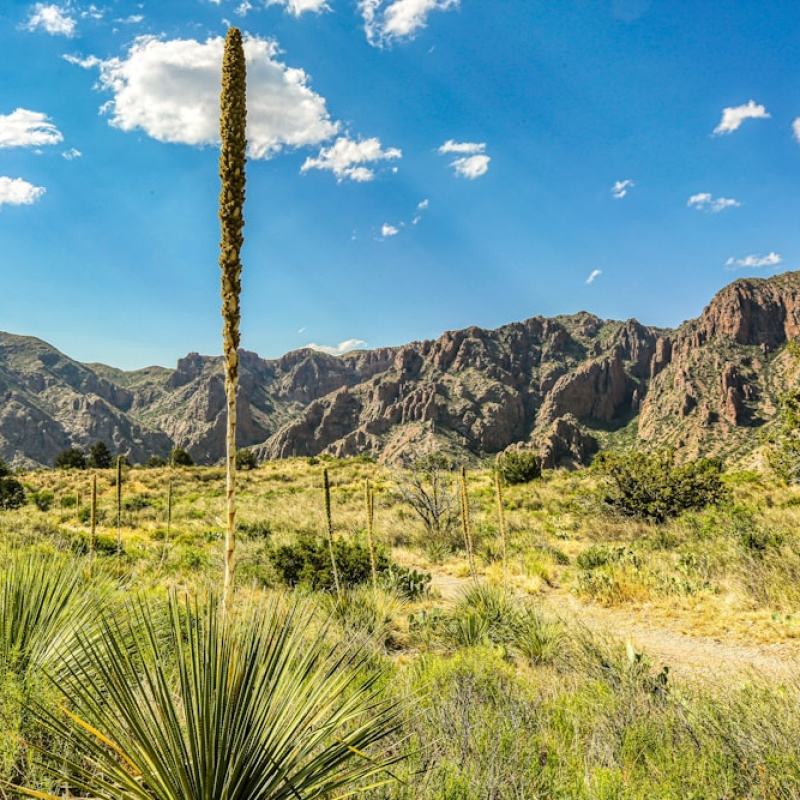 United States
Texas, with its hot climate, produces bold wines from Spanish and Mediterranean grapes. Whiskey, often made with Texas-grown grains, also thrives.
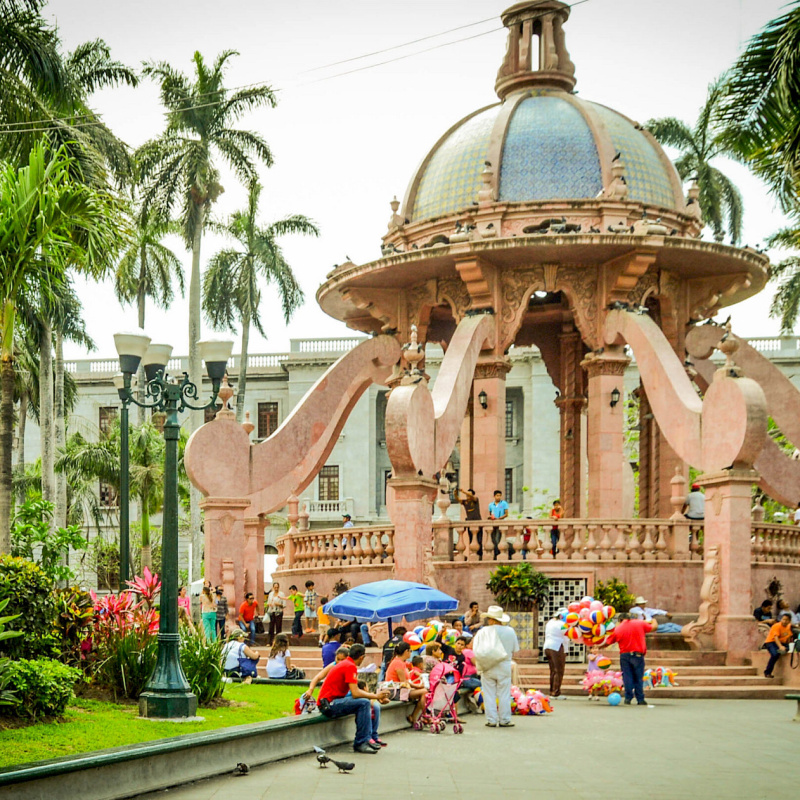
 Mexico
Tamaulipas, Mexico, boasts a nascent wine industry alongside traditional agave spirits.
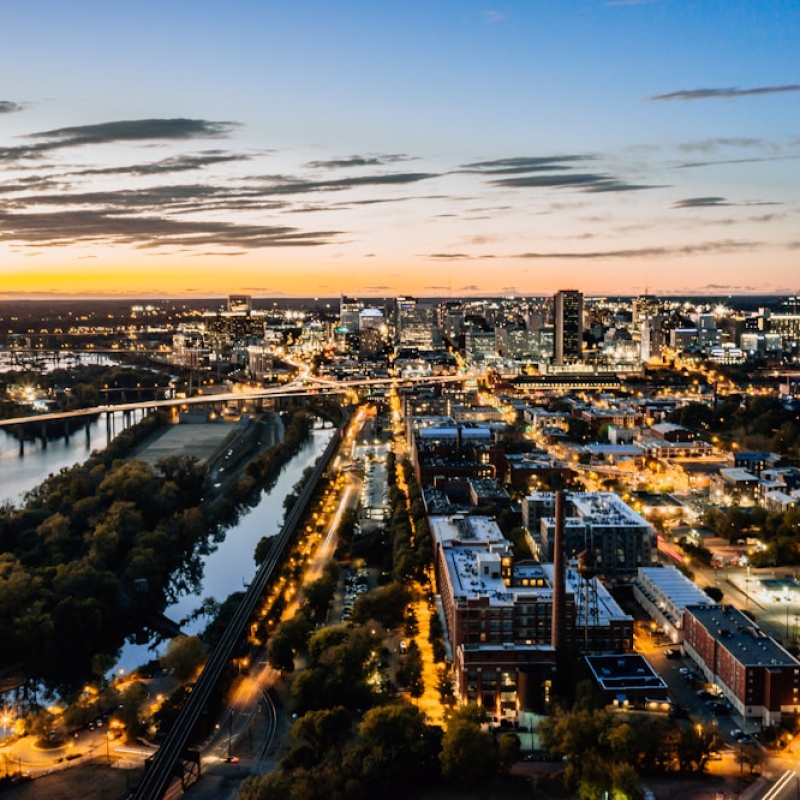 United States
Virginia, a rising star in American beverage production, crafts award-winning wines influenced by its diverse climate.

 United Kingdom
Wales, though not renowned for large-scale production, boasts a growing craft spirits scene, particularly whisky and gin.
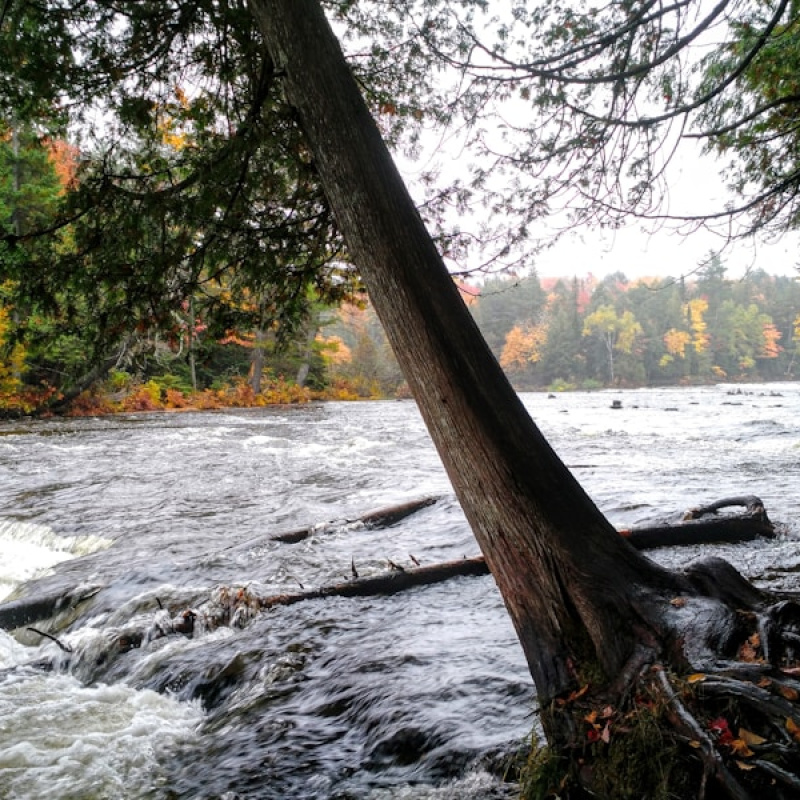 United States
Michigan, a burgeoning spirits and wine region, crafts fruit-forward wines and robust whiskeys.
 Spain
Spain
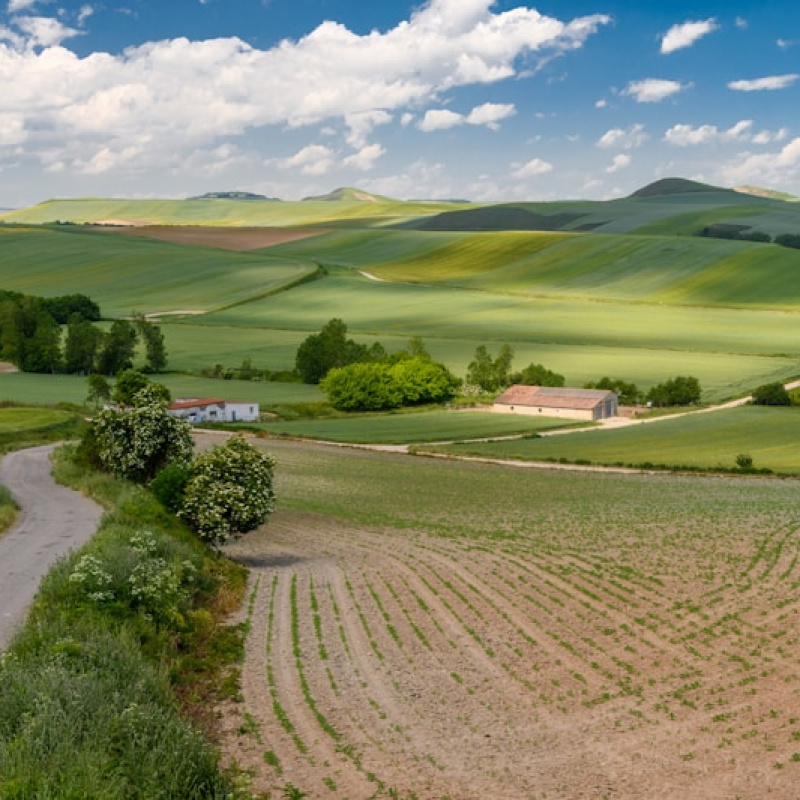
La Rioja, Spain, is famed for its exceptional red wines, primarily Tempranillo-based, aged in oak using traditional methods. Its climate fosters ideal grape ripening.
 Greece
Thraki, a region spanning parts of Greece, Turkey, and Bulgaria, boasts a history of winemaking, alongside potent spirits like *raki*.
 Romania
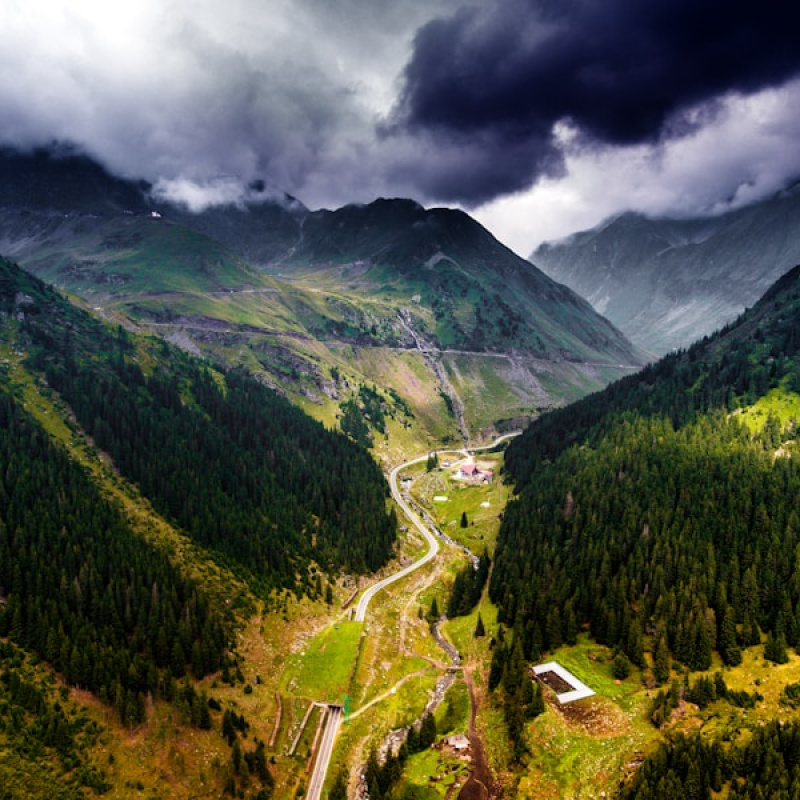
Murfatlar, Romania, is renowned for its sun-drenched vineyards producing robust wines and potent grape-based spirits like *rachiu* (brandy).
 Mexico
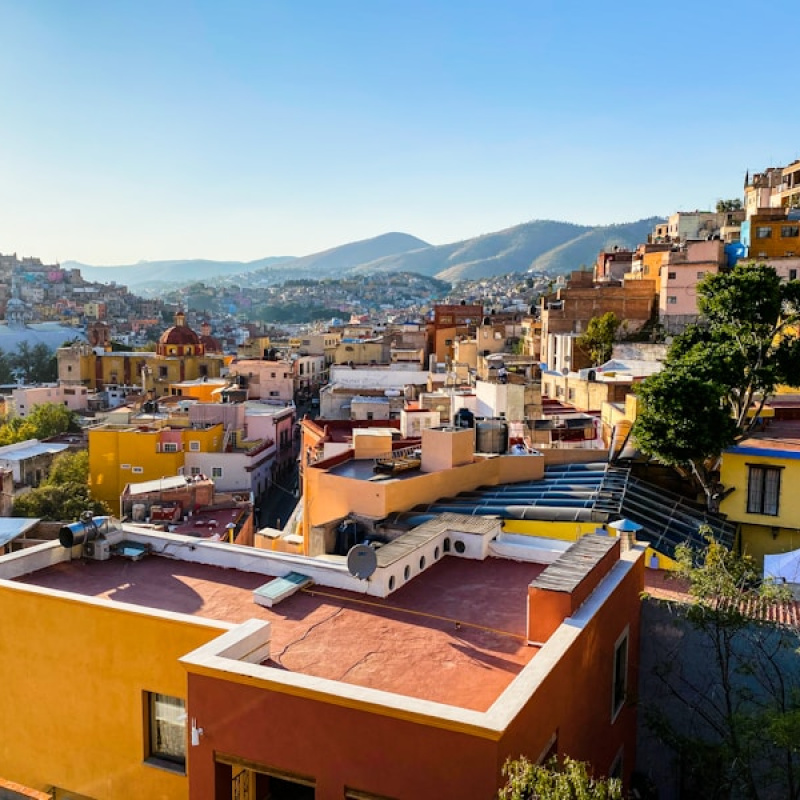
Guanajuato, Mexico, surprisingly boasts a burgeoning wine scene alongside traditional agave spirits like mezcal.
 United States
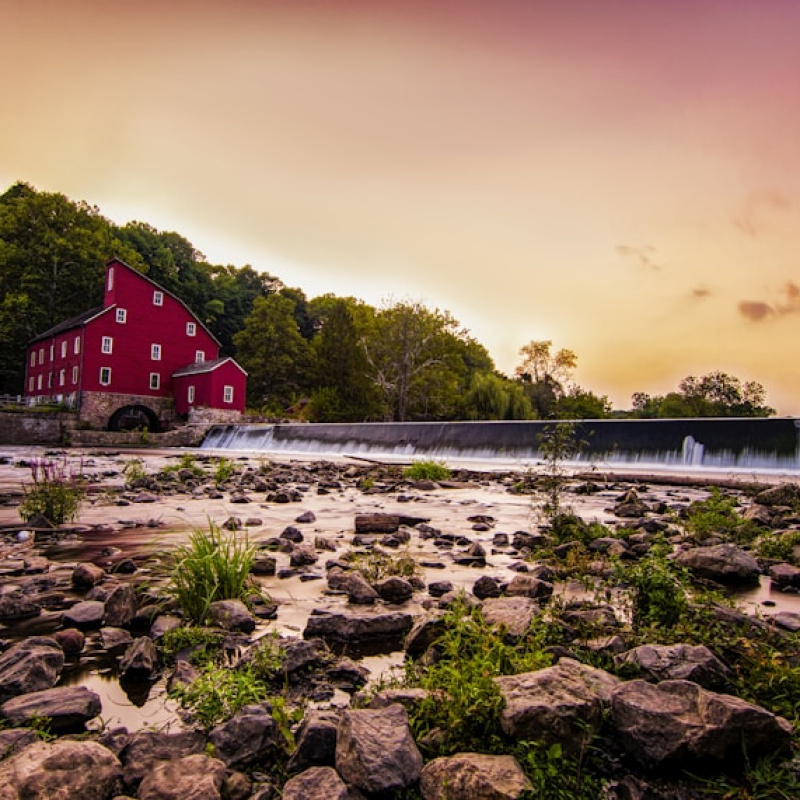
New Jersey, though not a major player, boasts a growing wine industry, leveraging its coastal climate for fruit-forward wines.
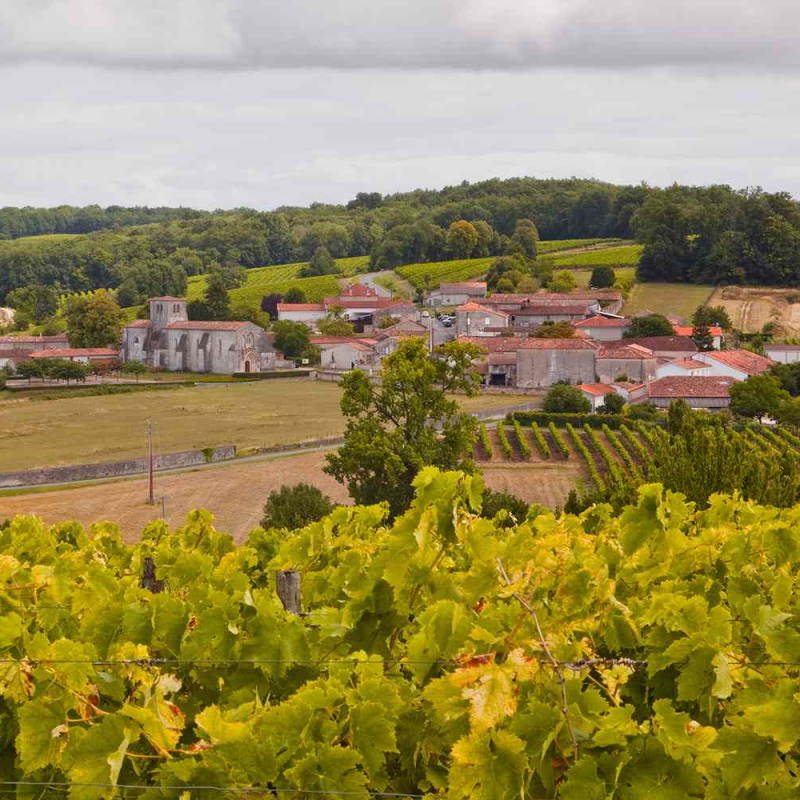
 France
Cognac, a southwestern French region, is renowned for its namesake brandy, produced from local white grapes and double-distilled in copper pot stills.
 United States
Ohio's beverage scene features emerging craft distilleries and wineries, influenced by the Midwest climate.
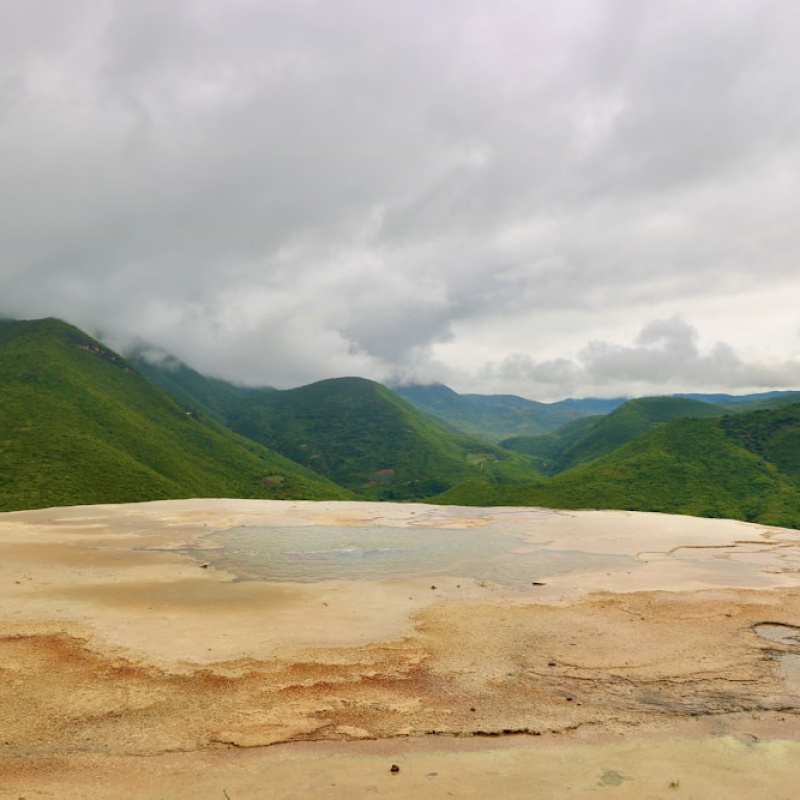 Mexico
Oaxaca, Mexico, is famed for mezcal, a diverse spirit distilled from agave using traditional, often artisanal methods.
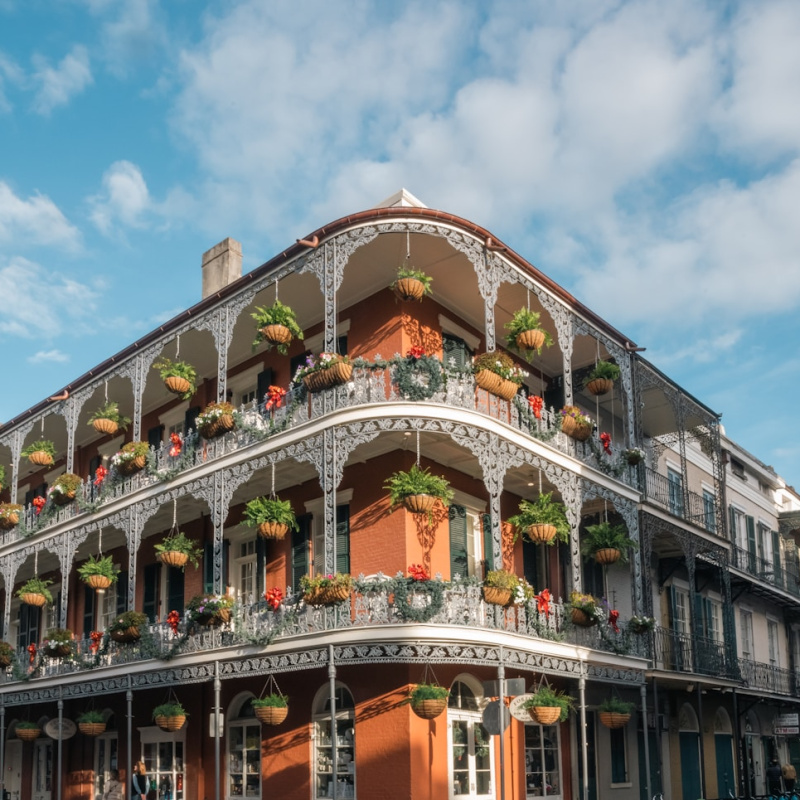 United States
Louisiana's humid climate fosters sugarcane, a base for unique rums and cane whiskeys.
 United States
Nevada's arid climate limits large-scale viticulture, but small wineries and distilleries craft unique spirits, often utilizing local grains.
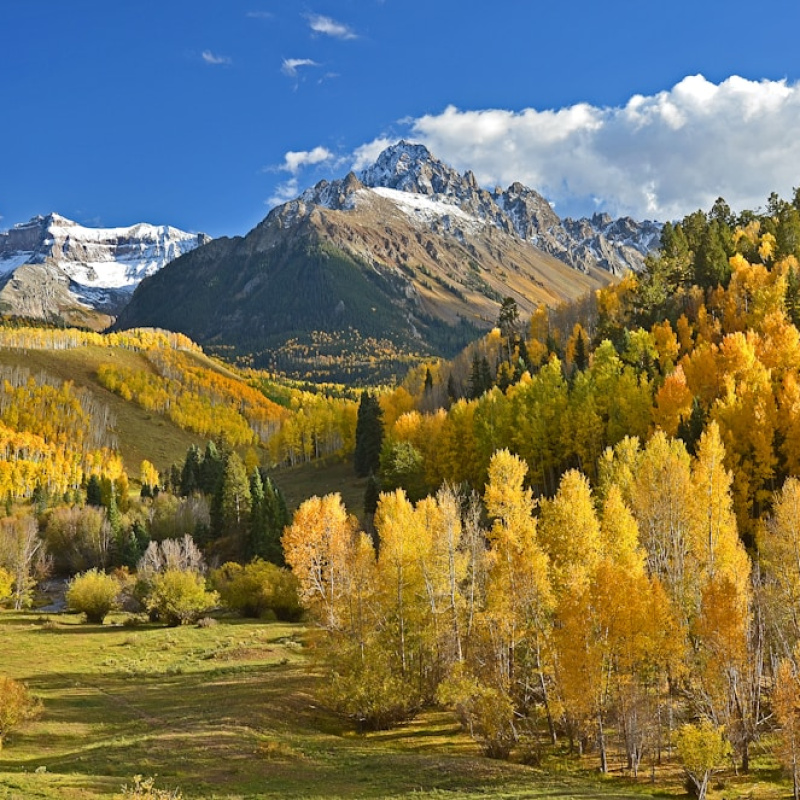 United States
Colorado's high-altitude, arid climate fosters unique, fruit-forward wines and grain-rich whiskeys.
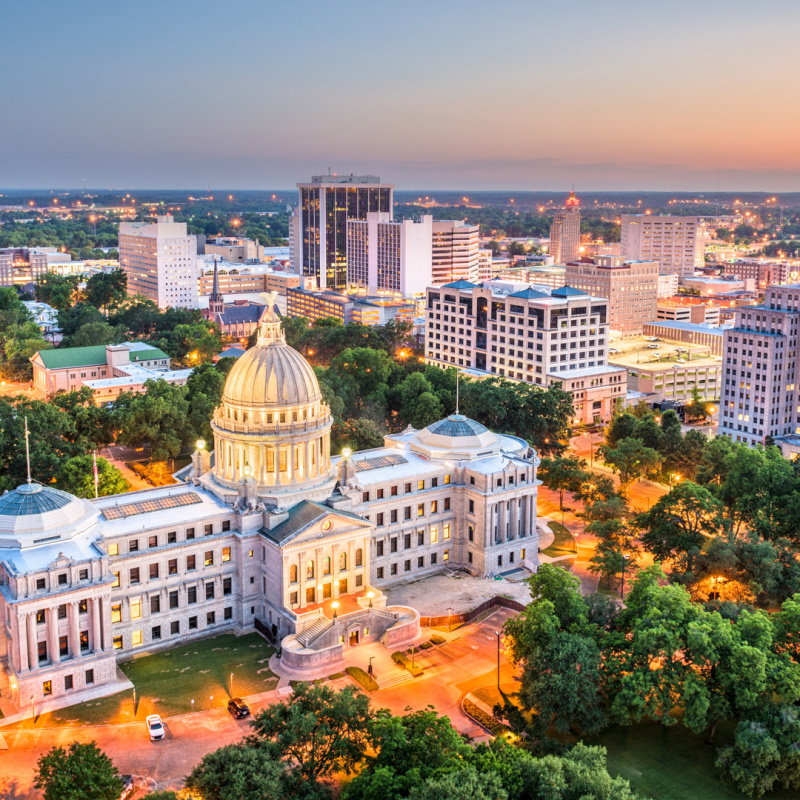 United States
Mississippi's spirits scene is nascent, featuring small craft distilleries focusing on whiskeys and vodkas, often using local grains.
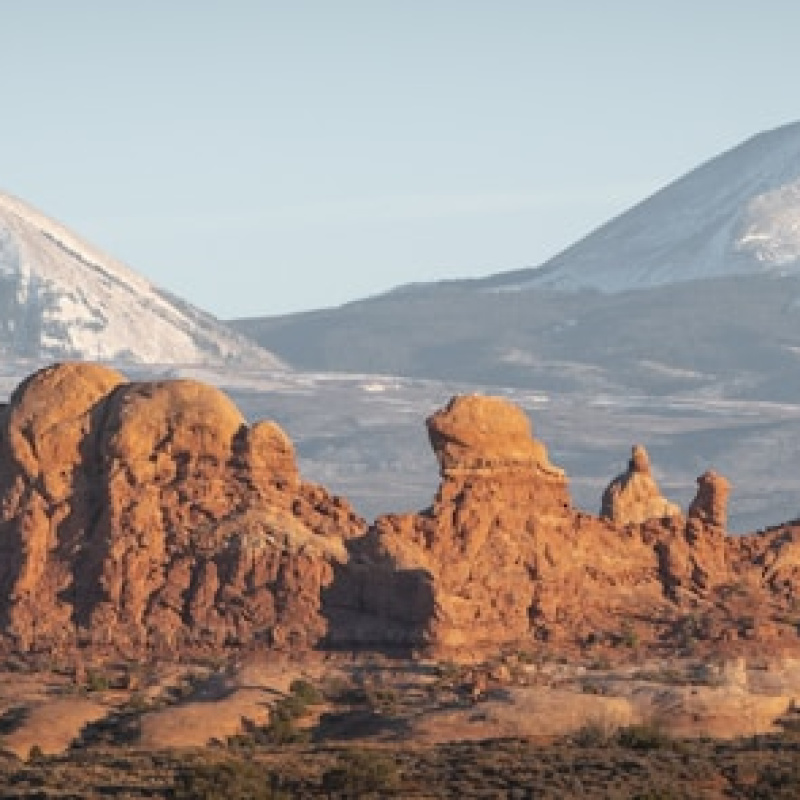 United States
Utah's nascent spirits scene, impacted by its historical ties to prohibition and Mormonism, sees a rising number of distilleries and wineries.
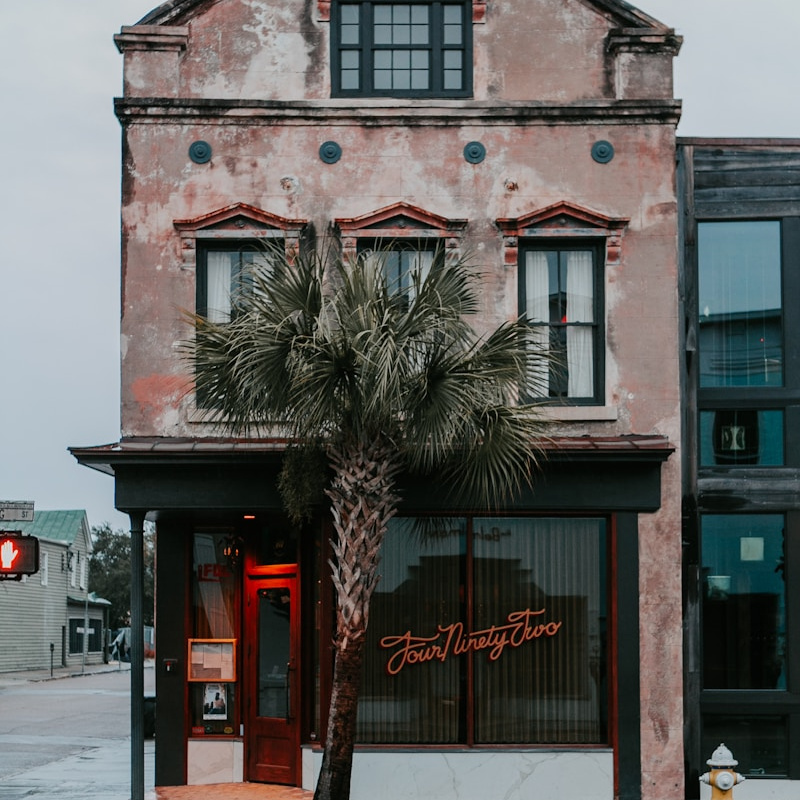 United States
South Carolina's warm, humid climate fosters muscadine grape wines, while historically significant moonshining evolved into legal bourbon and whiskey production.
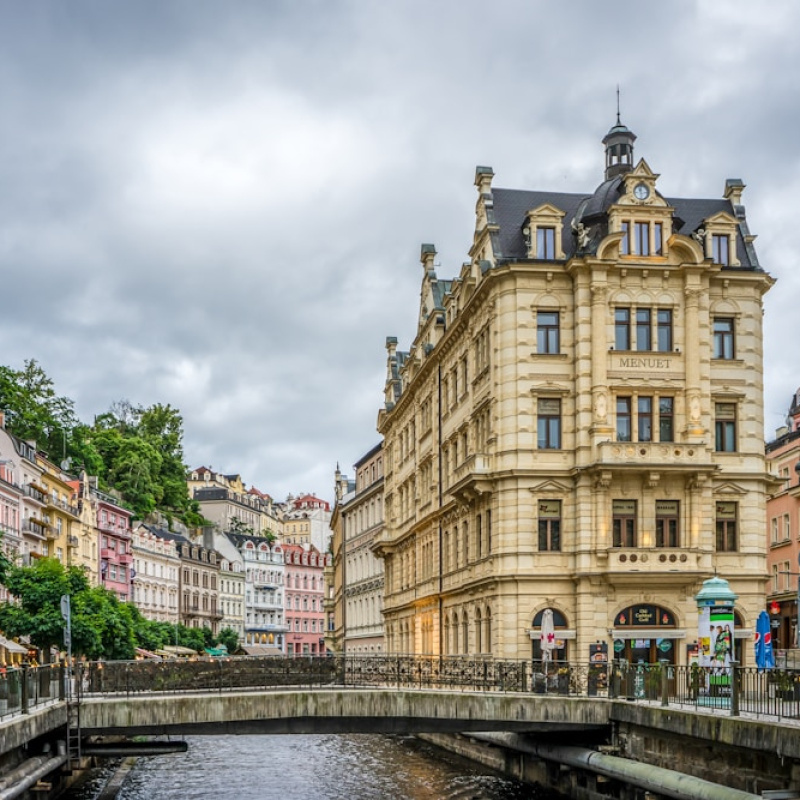
 Czechia
Karlovy Vary, while not a traditional wine region, boasts Becherovka, a unique herbal liqueur steeped in history.
 United States
United States
United States
United States
United States
United States
United States
United States
United States
United States
United States
United States
United States
United States
United States
United States
United States
United States
United States
United States
United States
United States
United States

Required for basic site functionality such as security and session handling. Always active.
Enable enhanced functionality such as remembering your preferences.
Help us understand how visitors interact with the website.
Content from video platforms and map services is blocked until you consent.
This content is provided by an external service. It loads only after you allow the “{category}” category.