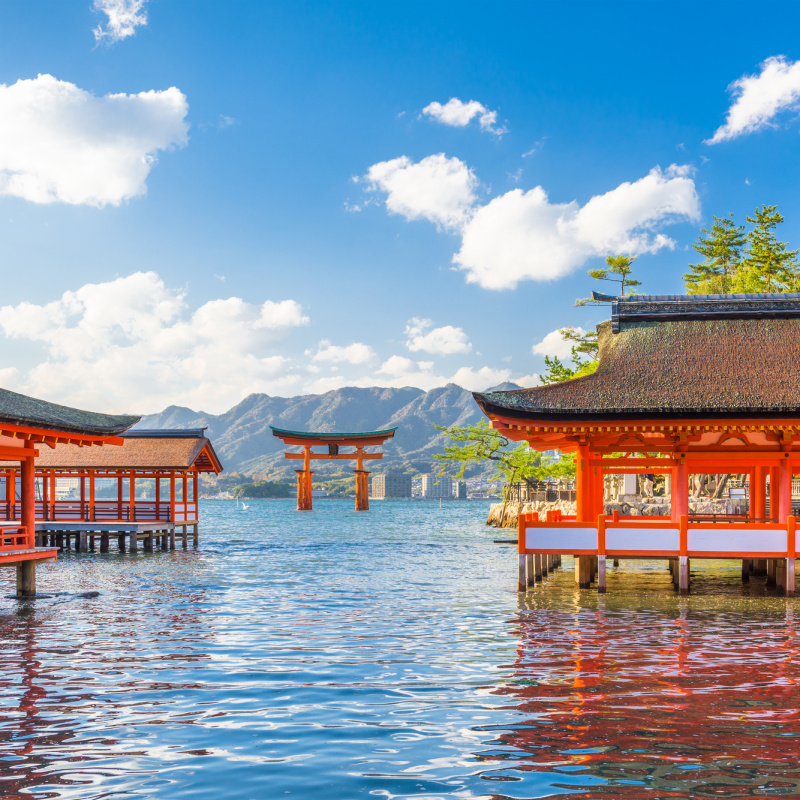
 Japan
Japan
Chugoku
Chugoku, Japan, primarily produces sake and *shochu*, often from local rice and sweet potatoes. Its climate fosters unique fermentation processes.
 LQRS
LQRS
Discover
Explore drinks by category, producer, origin, taste, and the places that shape them.
Sense of place
Showing 60 of 224
Japan
Chugoku, Japan, primarily produces sake and *shochu*, often from local rice and sweet potatoes. Its climate fosters unique fermentation processes.
 Japan
Japan
Shikoku, primarily known for sake, also crafts *shochu*, a distilled spirit from rice, barley, or sweet potato.
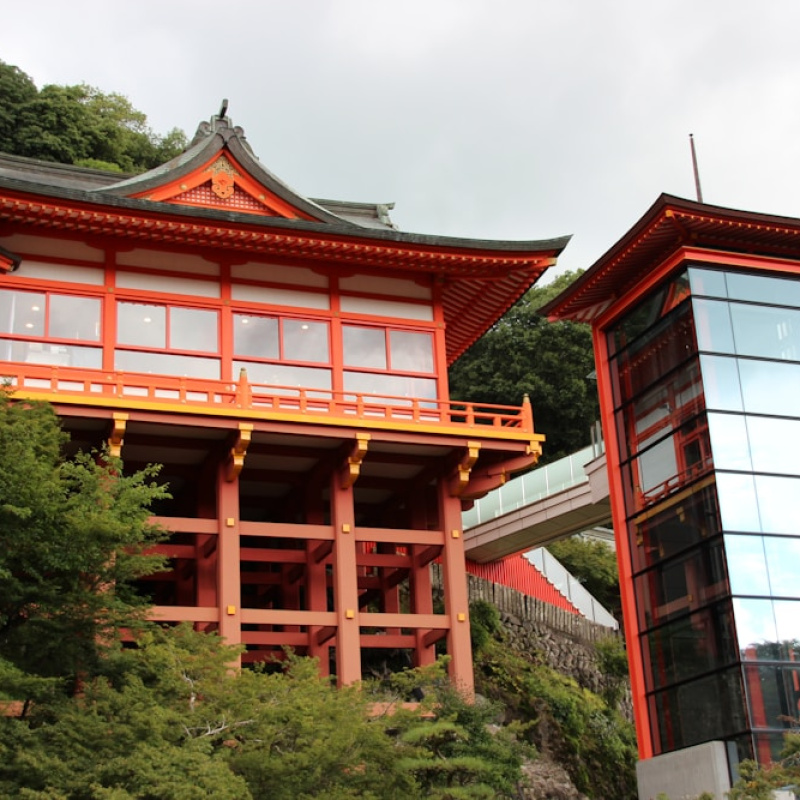 Japan
Japan
Kyushu is renowned for its *shochu*, a distilled spirit often made from sweet potatoes, barley, or rice, using traditional pot stills.
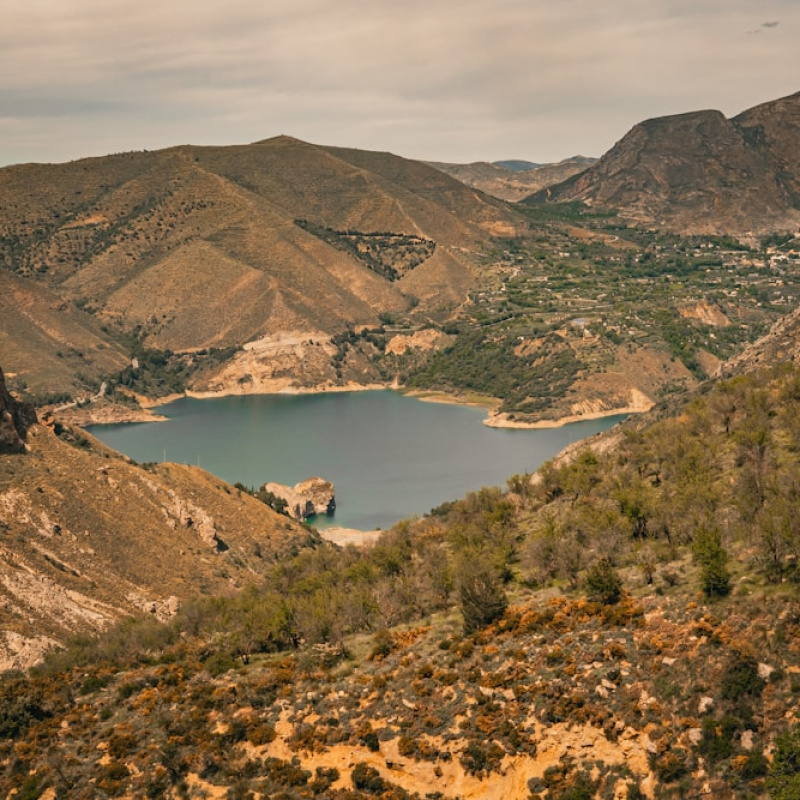
 Spain
Spain
Andalucía, Spain, is famed for its fortified wines like Sherry, produced using unique solera systems.
 Portugal
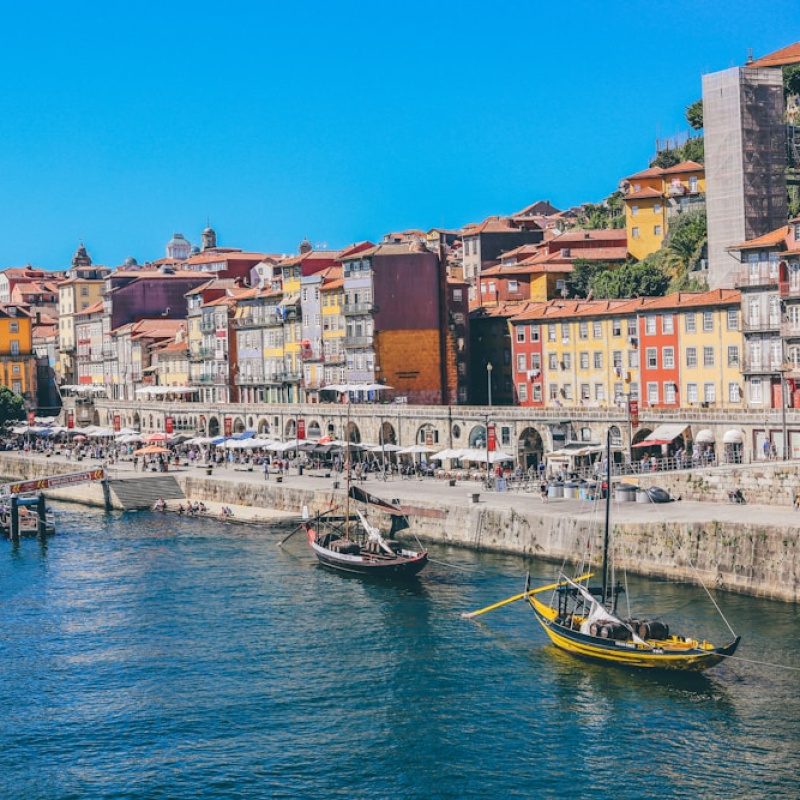
Porto and the Douro Valley, renowned for fortified Port wine, boast a unique terroir shaping its rich, sweet profiles.
 Mexico
Jalisco, Mexico, is renowned for Tequila, its iconic spirit distilled from blue agave. Its volcanic soil and arid climate uniquely shape agave cultivation.

 France
Sud-Ouest, France, crafts distinctive wines like Tannat-based reds alongside Armagnac brandy. Its humid climate and unique soils contribute to robust flavors.
 Spain
Spain
Le Plateau (Meseta), a vast Spanish plateau, traditionally produces robust, sun-kissed red wines alongside brandies distilled from local grapes.
 Italy
Italy
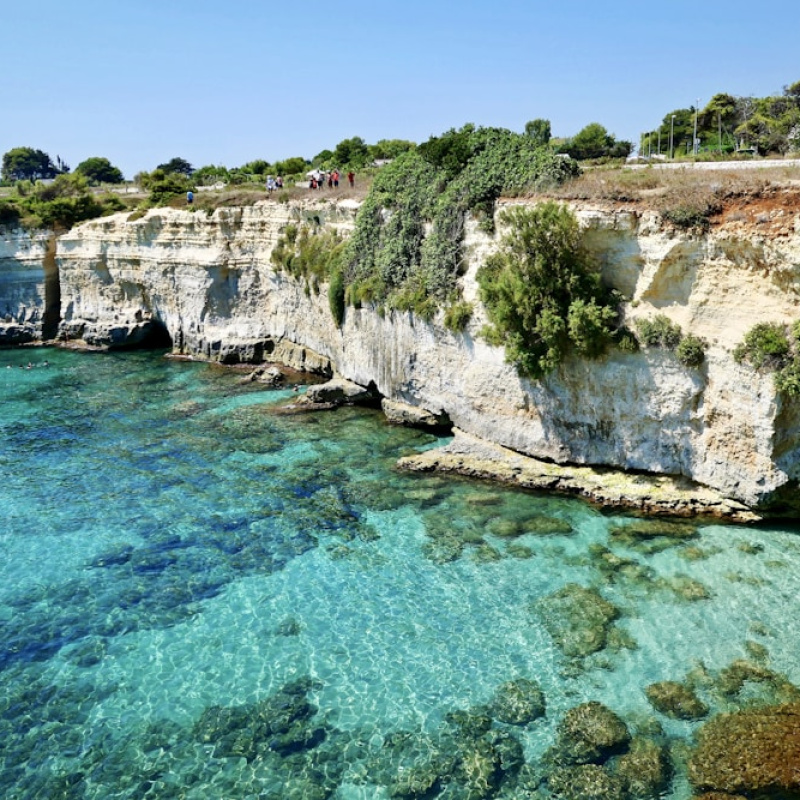
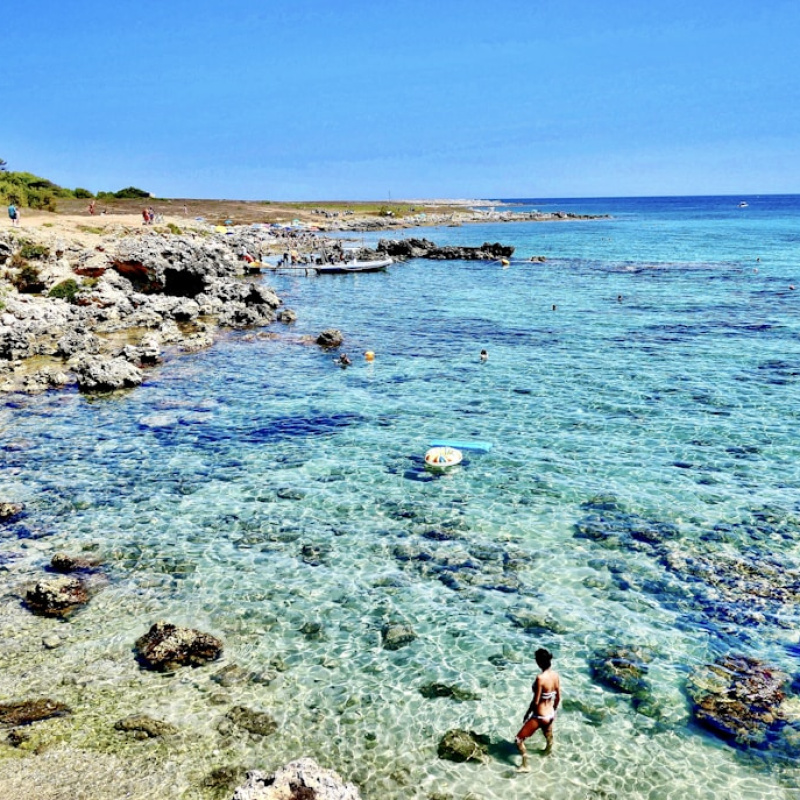
Puglia, Italy, primarily known for robust, sun-drenched red wines from Negroamaro and Primitivo grapes, also produces some traditional after-dinner grappa.
 Chile
Chile
Del Sur, a sun-drenched region, is renowned for its robust Malbec wines and fiery grape brandies, influenced by a dry climate and high altitude.
 Italy
Italy
The Marches, Italy, primarily produces distinctive, often crisp, white wines from Verdicchio grapes, influenced by Adriatic breezes and limestone soils.
 Canada
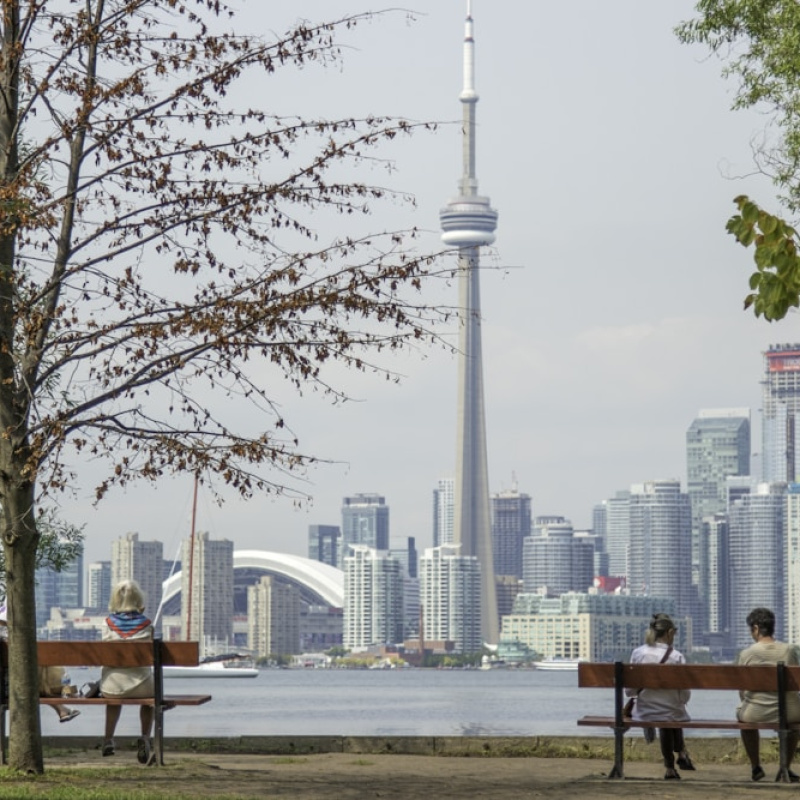
Ontario, Canada, crafts cool-climate wines, notably crisp Riesling and Pinot Noir, alongside whiskies and fruit brandies.
 South Africa
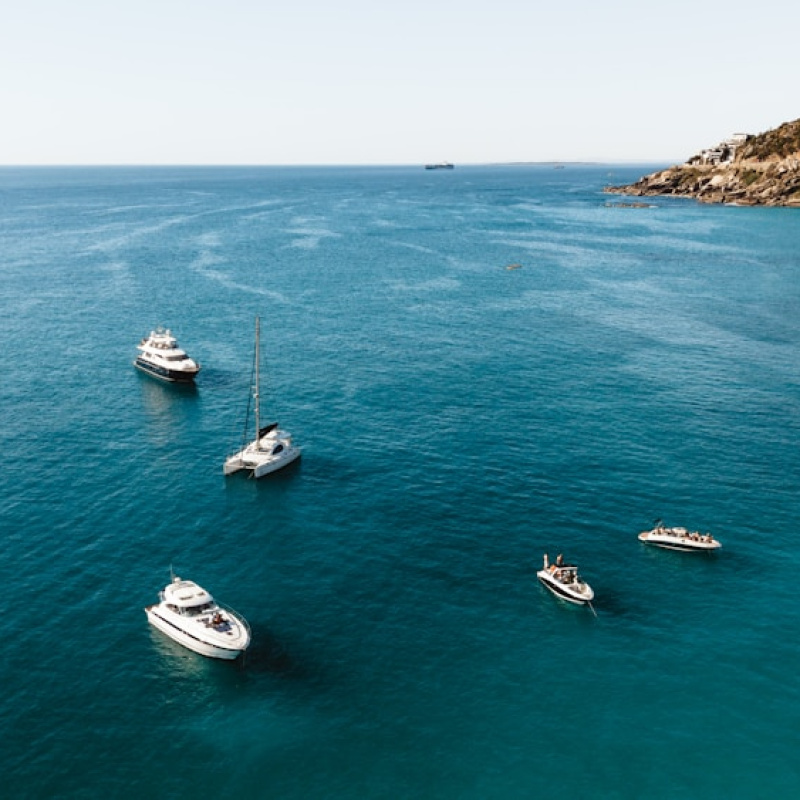
Western Cape, South Africa, boasts a rich heritage of winemaking, particularly Chenin Blanc and Pinotage, alongside pot-still brandies.

 Australia
South Eastern Australia boasts diverse wine regions, from cool-climate Pinot Noir to robust Shiraz. Traditional brandy and fortified wines also feature.
 Australia
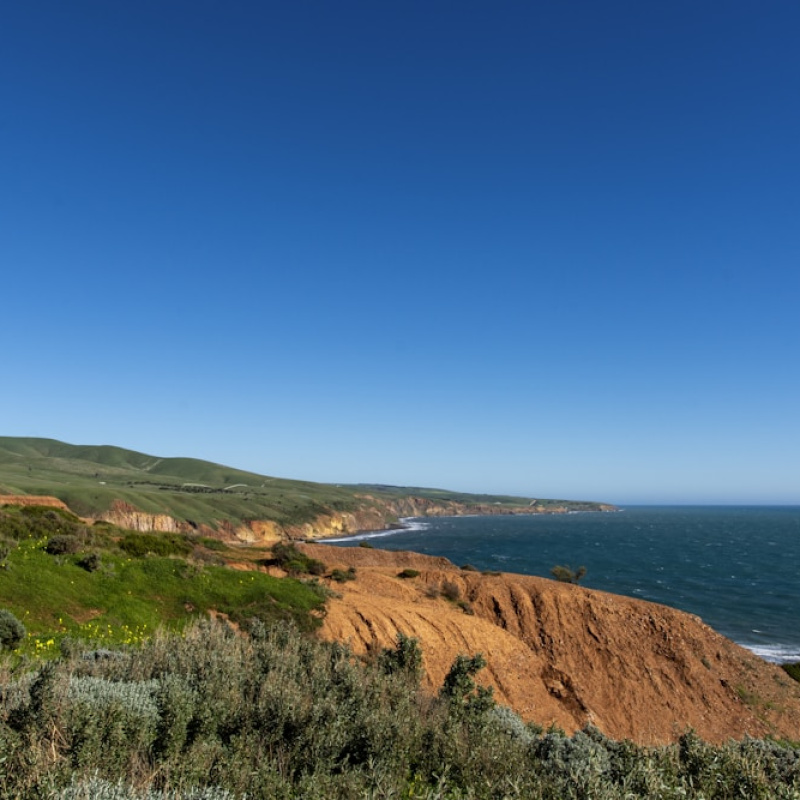
South Australia boasts diverse wine regions, from Barossa's Shiraz to McLaren Vale's Grenache, alongside burgeoning craft distilleries producing brandy, gin, and whisky.
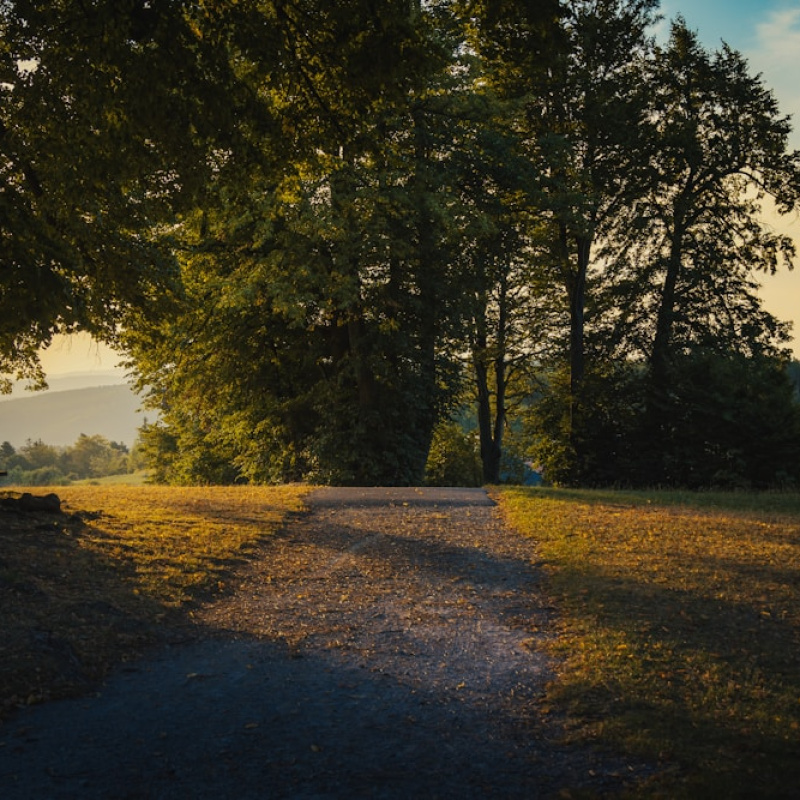
 Austria
Burgenland, Austria, crafts distinctive red and white wines, notably Blaufränkisch and Welschriesling, shaped by its Pannonian climate.
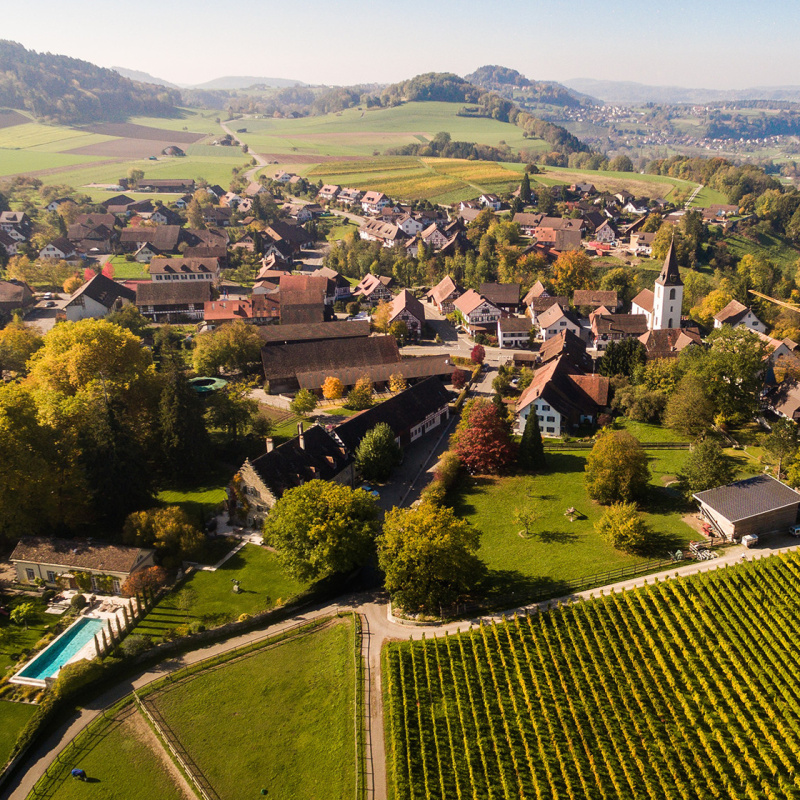 Austria
Weinland, a region in Central Europe, is renowned for its crisp white wines, often Riesling or Grüner Veltliner, shaped by cool continental climates.
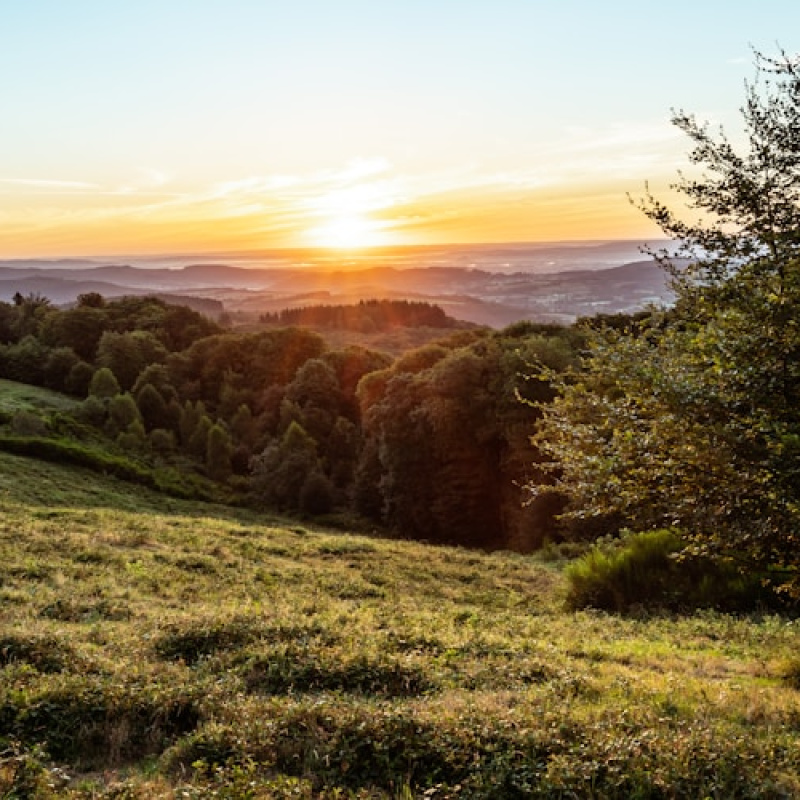 France
Burgundy, France, is renowned for its elegant Pinot Noir and Chardonnay wines, reflecting its cool continental climate and chalky soils.
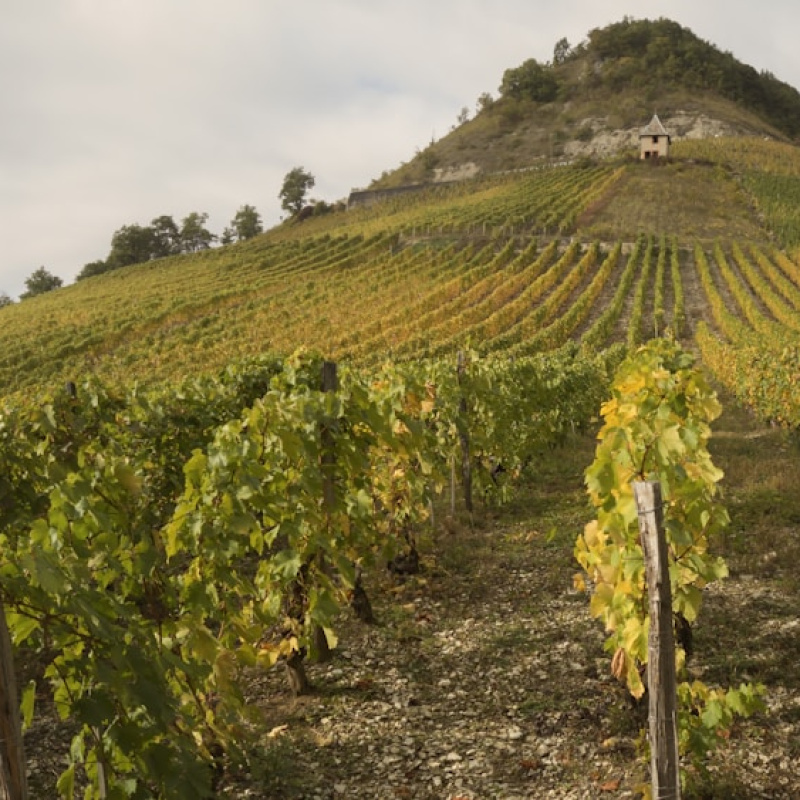 France
The Rhône Valley, famed for its bold red wines like Syrah, Grenache, and Mourvèdre, also produces eaux-de-vie and fruit brandies.
 Spain
Spain
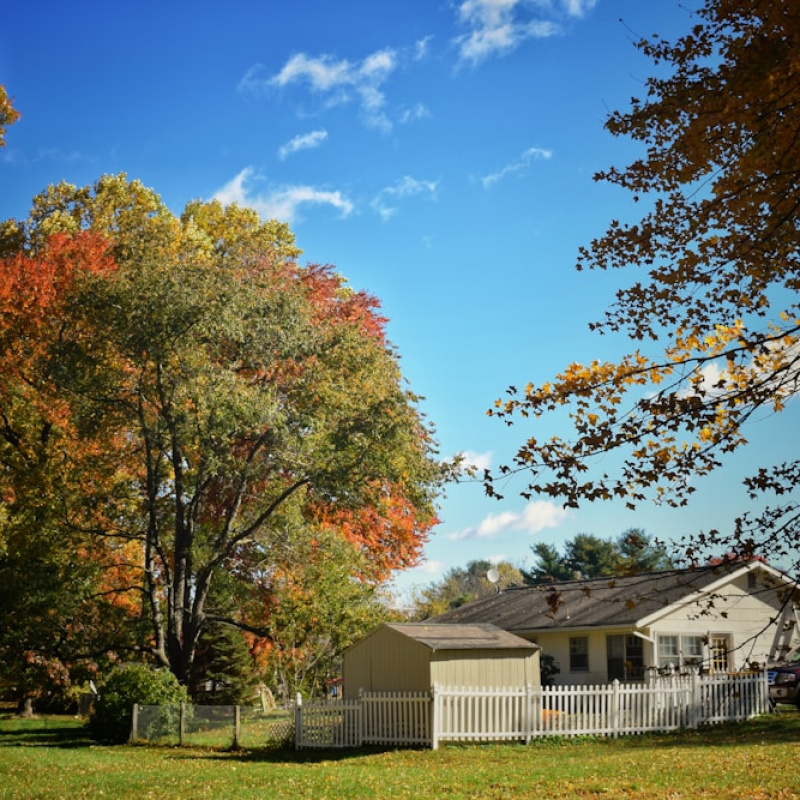
The Ebro Valley, primarily known for wine, produces robust reds from Rioja and Navarra, alongside fragrant whites.
 Canada
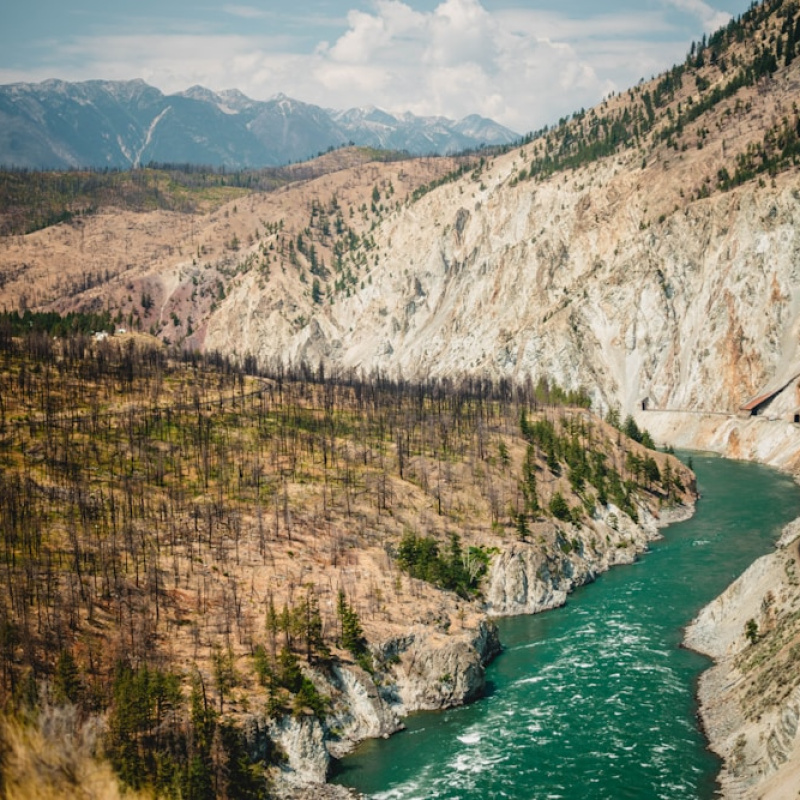
British Columbia, Canada, boasts a diverse beverage scene, producing cool-climate wines, fruit brandies, and increasingly, craft spirits.
 Chile
Chile
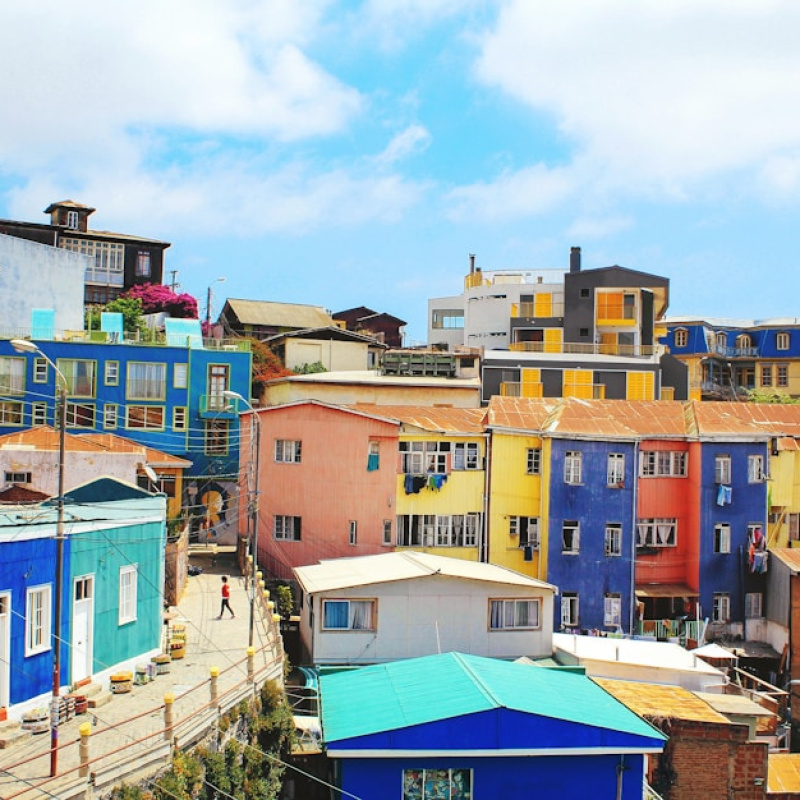
Valle Central, Chile, excels in wine production, its Mediterranean climate fostering rich, fruity reds like Cabernet Sauvignon.
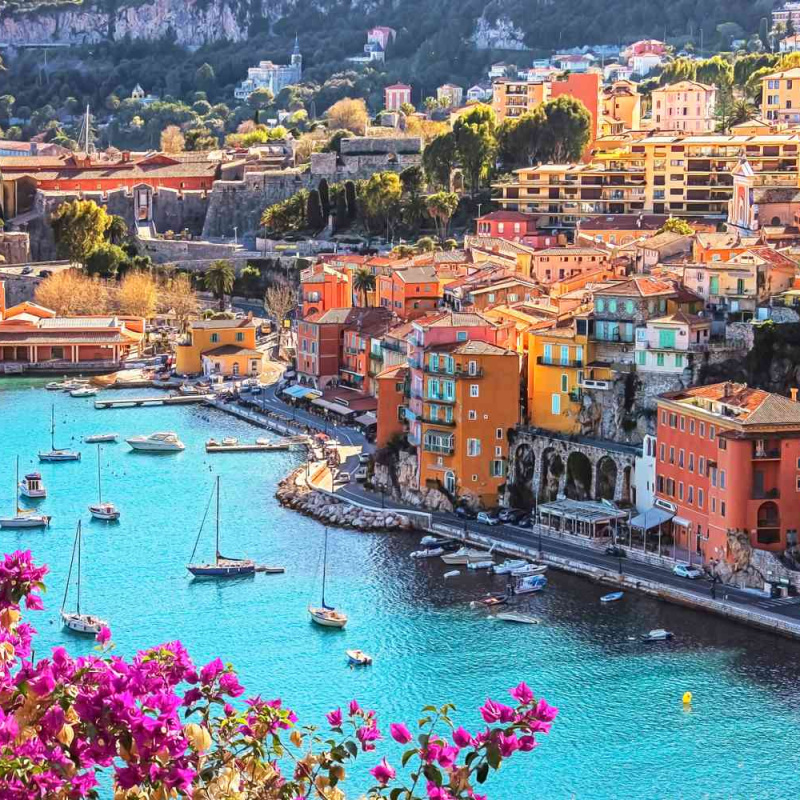 France
Sud-Est, encompassing southeastern Europe, boasts a diverse beverage heritage. Grape-based wines and fruit brandies (rakia) dominate, reflecting warm climates.
 Spain
Spain
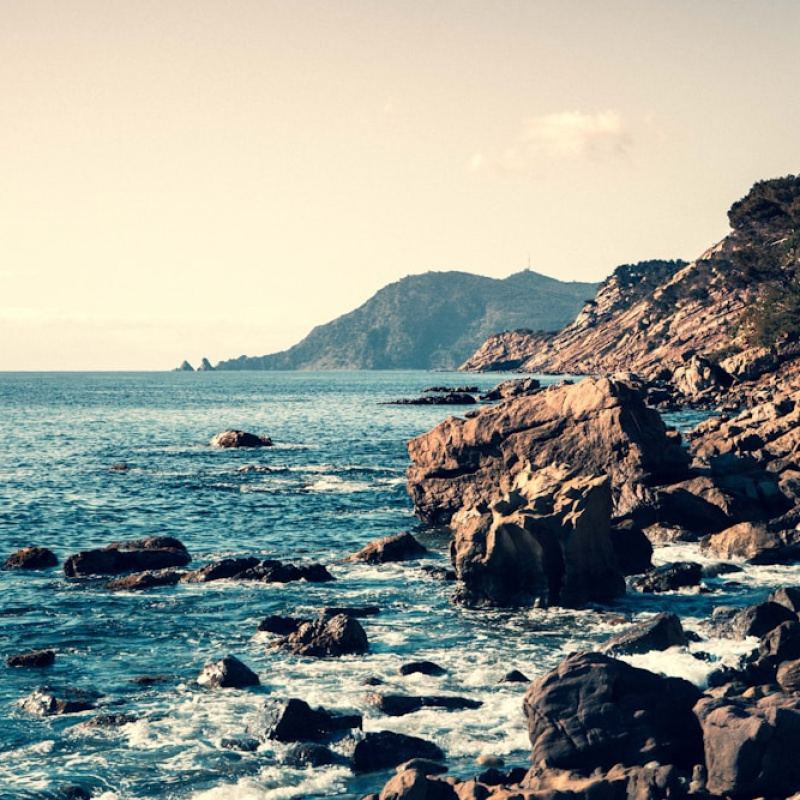
The Côte Méditerranéenne, bathed in sun and sea, produces primarily rosé and red wines, alongside pastis.
 China
China
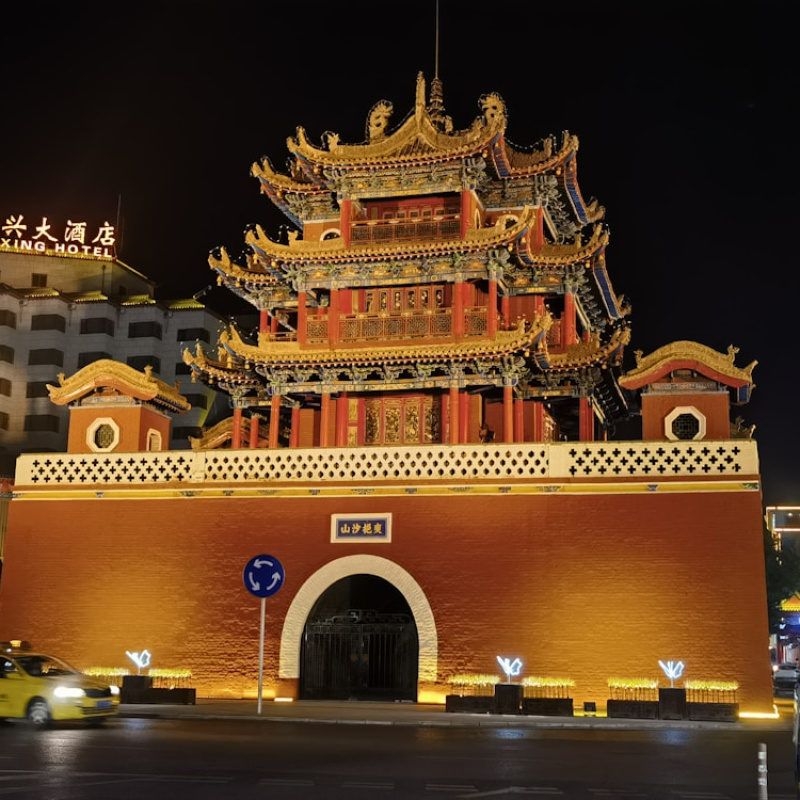
The Helan Mountains in Ningxia, China, yield robust, mineral-driven wines, thanks to its arid climate and gravelly soils.
 Hungary
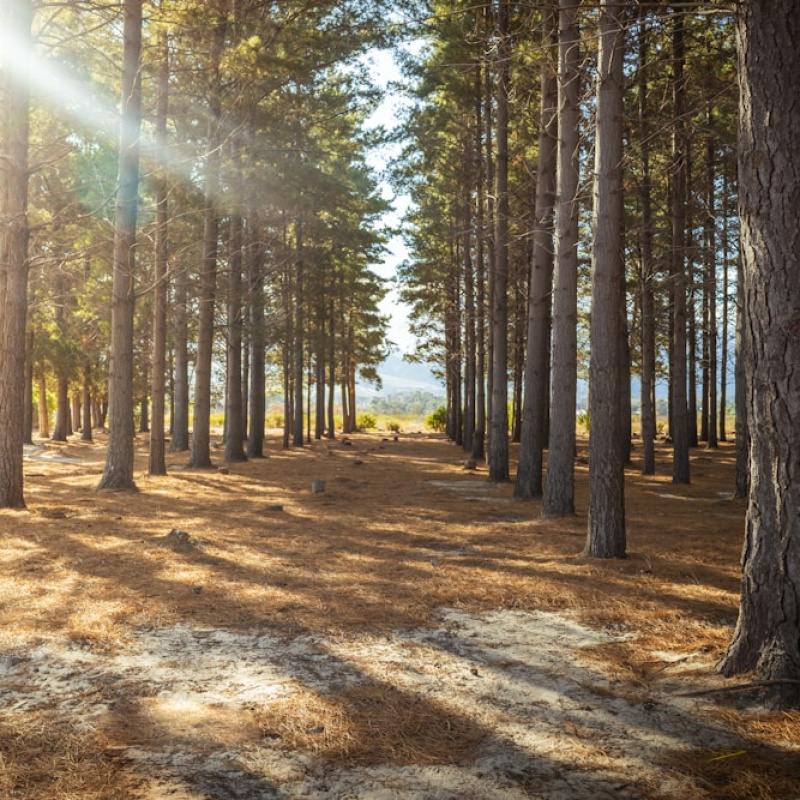
Tokai, Japan, traditionally known for sake production, also sees rising interest in local wines from Koshu grapes.
 United Kingdom
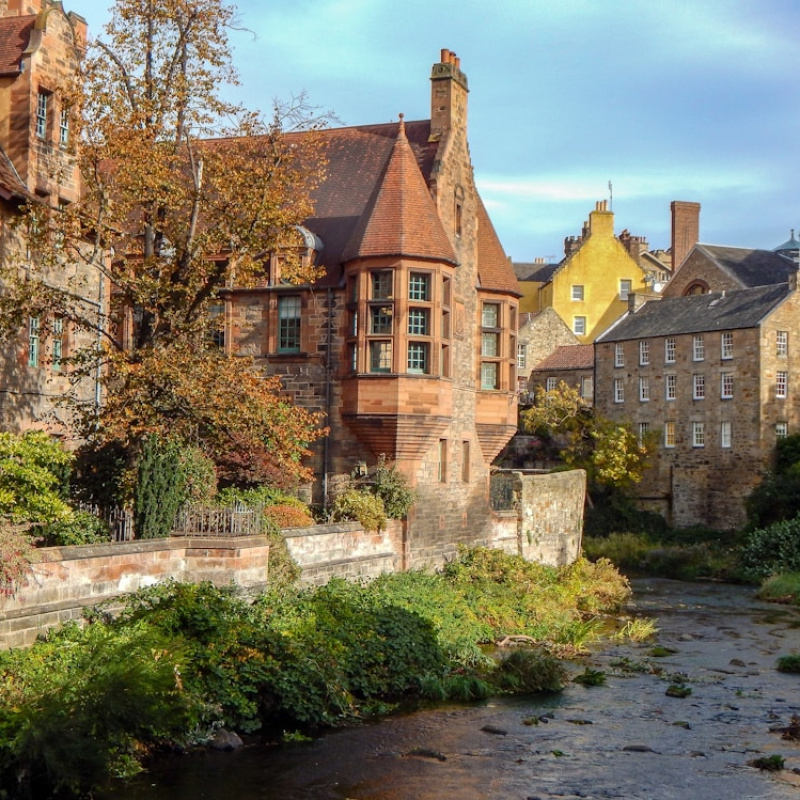
Scotland, famed for Scotch whisky, uses malted barley and pure water, aged in oak casks. A cool, damp climate aids maturation.
 Italy
Italy
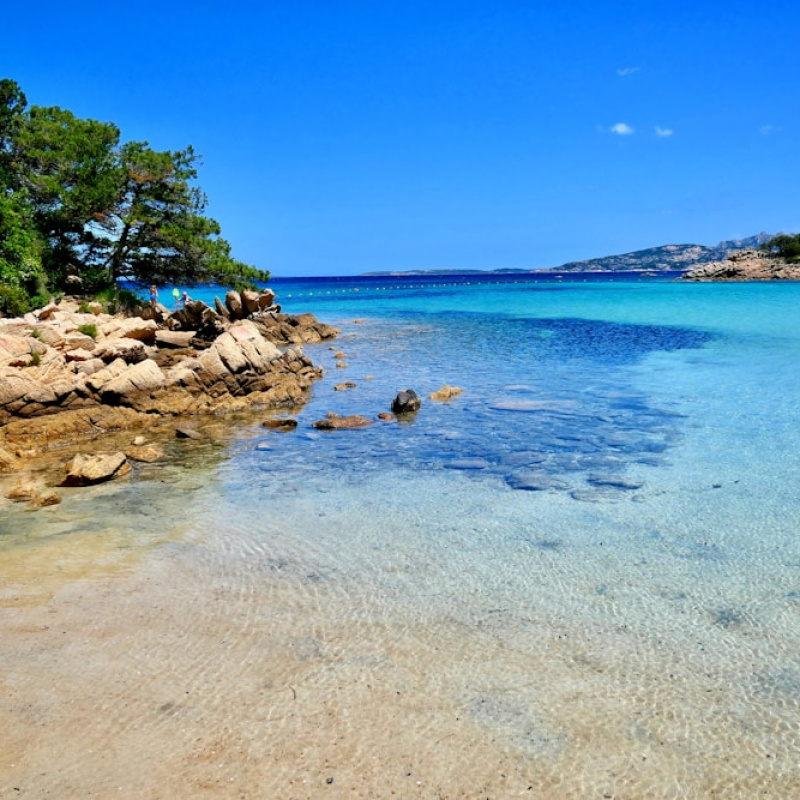
Sardinia crafts unique wines like Cannonau and Vermentino, alongside strong spirits such as filu 'e ferru (a grape-based brandy).
 France
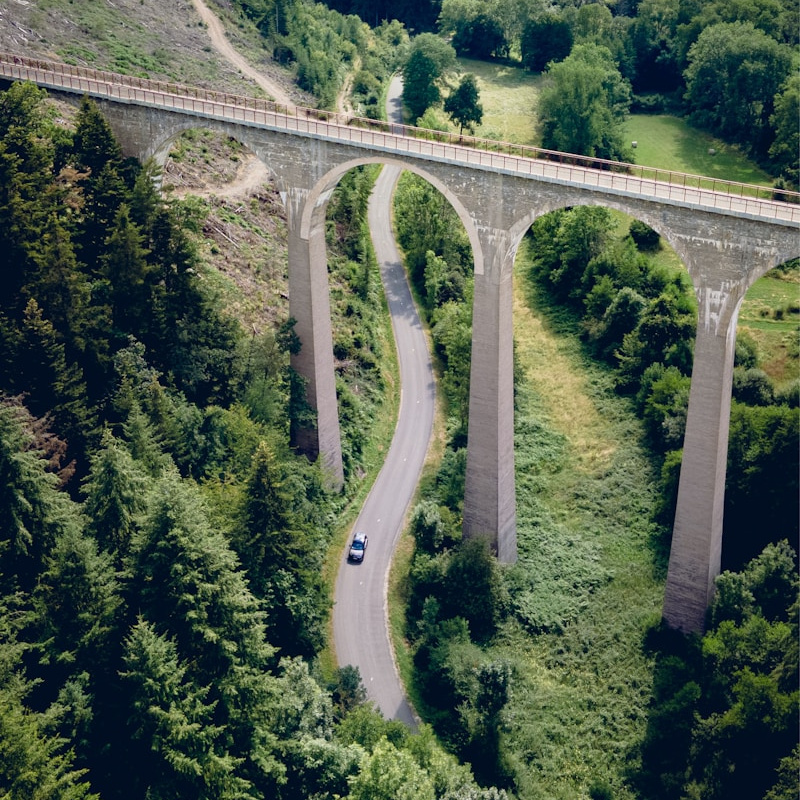
The Loire Valley, famed for its diverse white wines, also produces delicate fruit brandies like Poire Williams.
 Italy
Italy
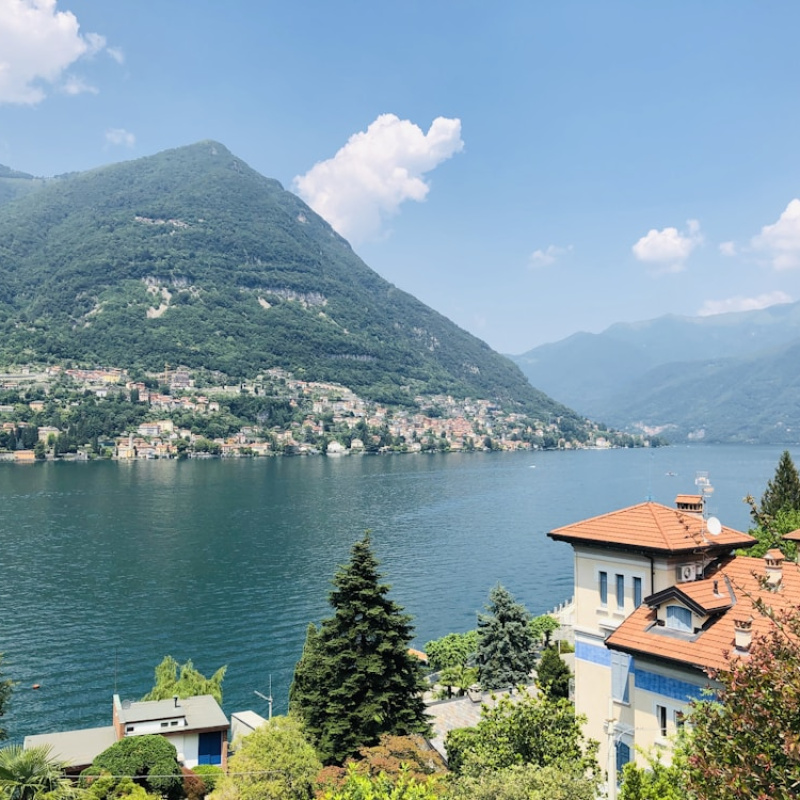
Lombardy, known for its sparkling Franciacorta and still wines, also boasts grappa production. The region's varied climate and fertile soils support diverse viticulture.
 Italy
Italy
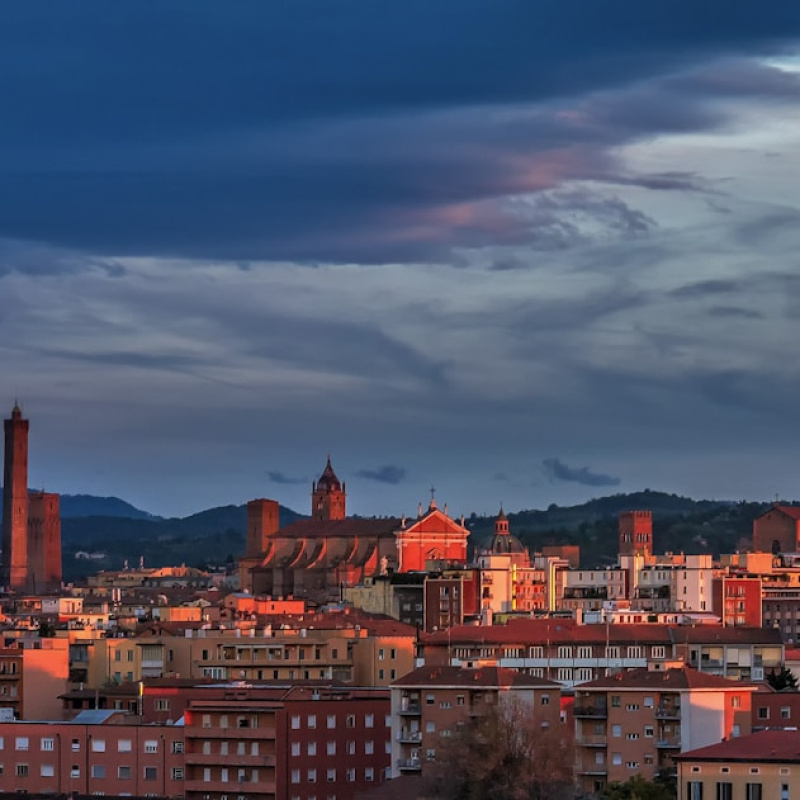
Emilia-Romagna, famed for its cuisine, boasts Lambrusco, a sparkling red wine, and Albana, a dry white.
 Italy
Italy
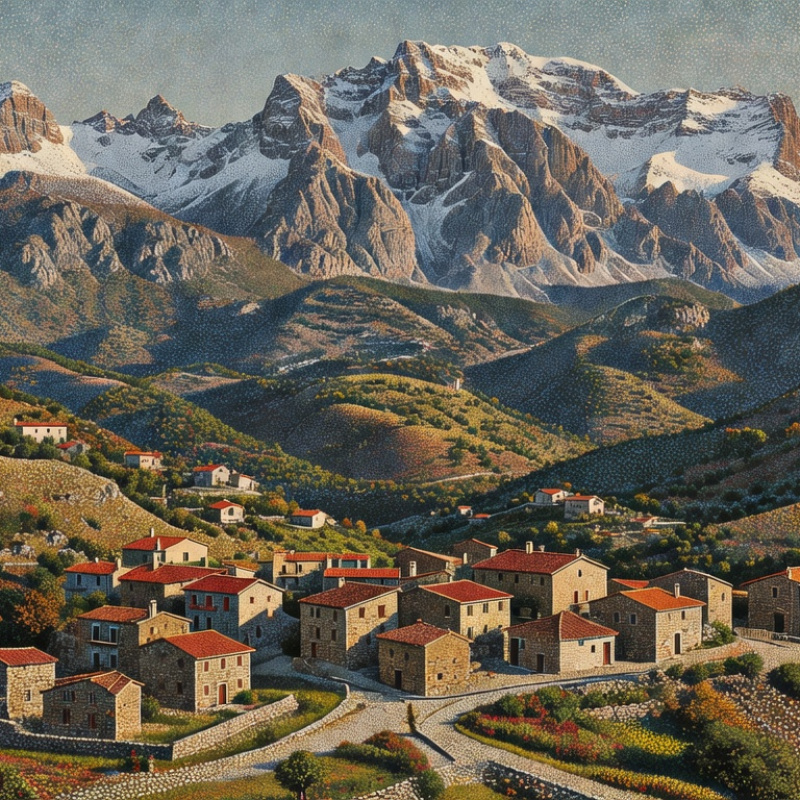
Abruzzo, Italy, crafts primarily robust, earthy red wines like Montepulciano d'Abruzzo, alongside crisp Pecorino whites.
 Germany
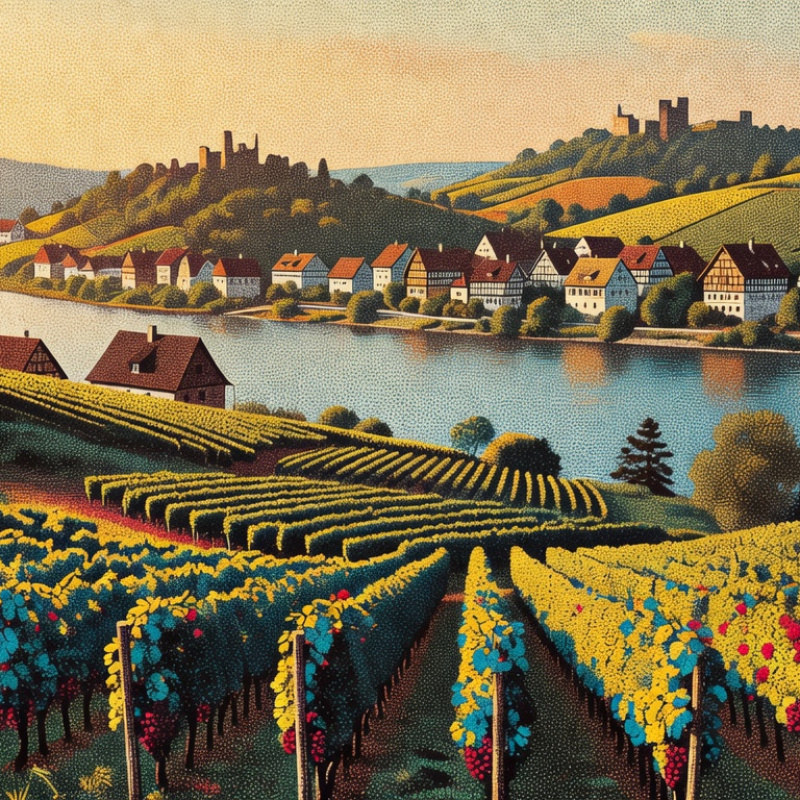
Rheingau, Germany, is renowned for its Riesling wines, benefiting from the Rhine's climate-moderating influence and steep, south-facing slopes.
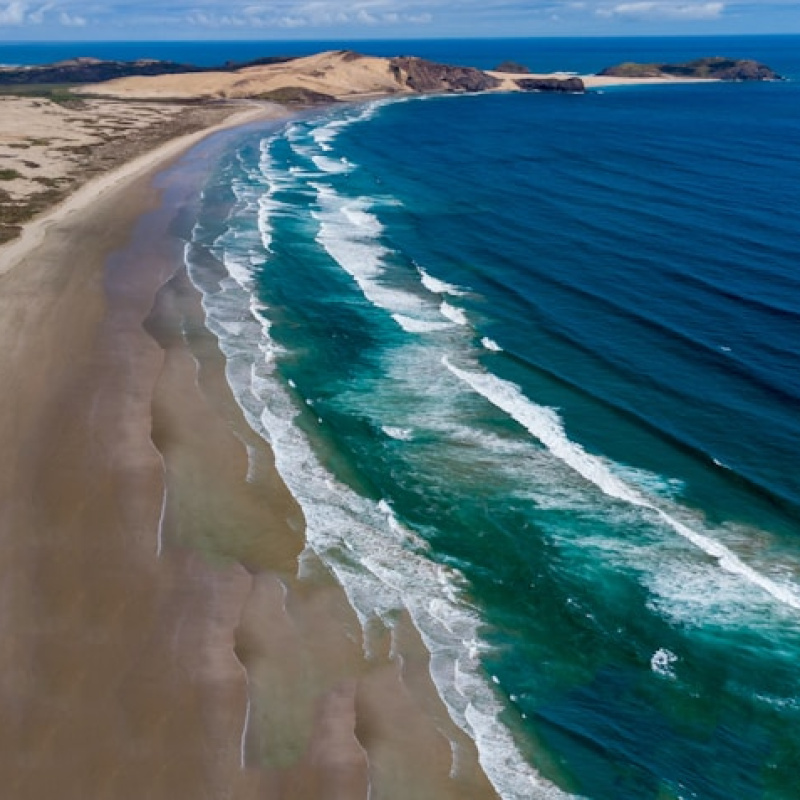
 New Zealand
North Island, New Zealand, boasts a unique cool-climate viticulture producing crisp Sauvignon Blanc and Pinot Noir.
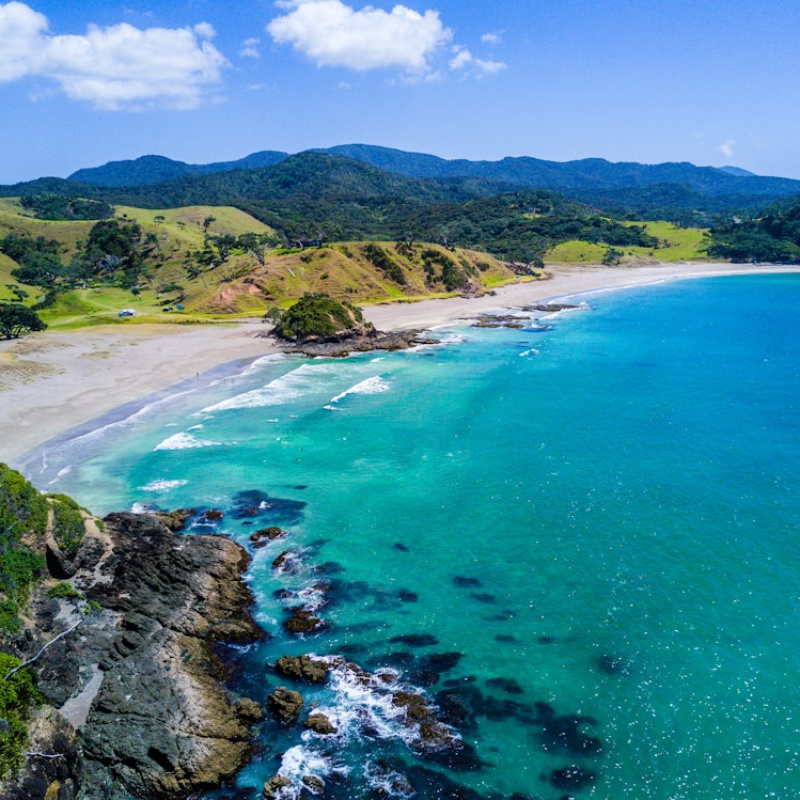 Spain
Spain
L'Espagne Verte, or Green Spain, isn't traditionally known for prominent spirits or wine production.
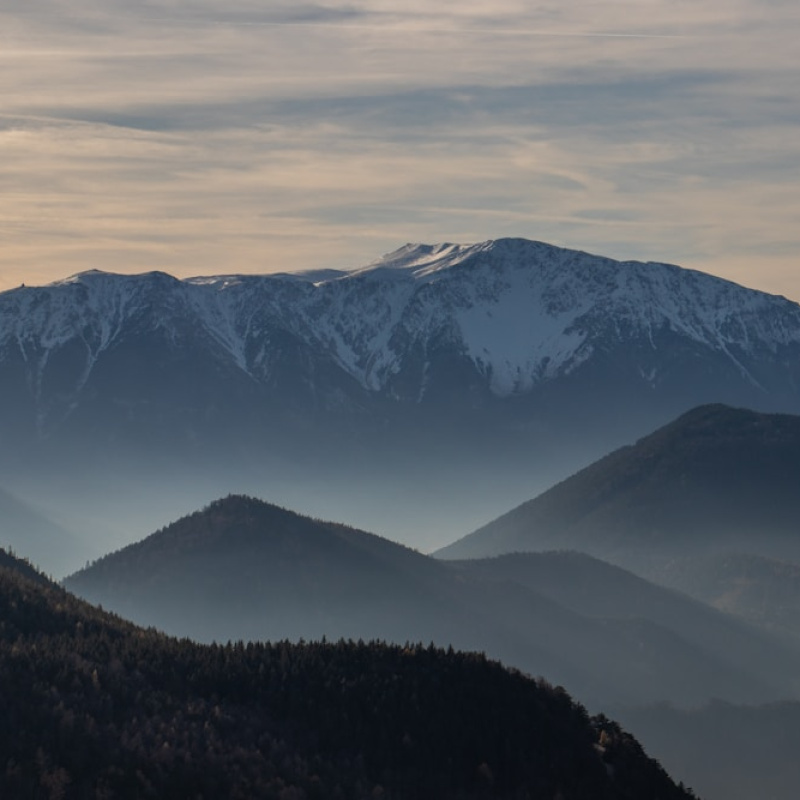 Austria
Niederösterreich, Austria, primarily crafts exquisite white wines like Grüner Veltliner, benefiting from its cool climate and loess soils.
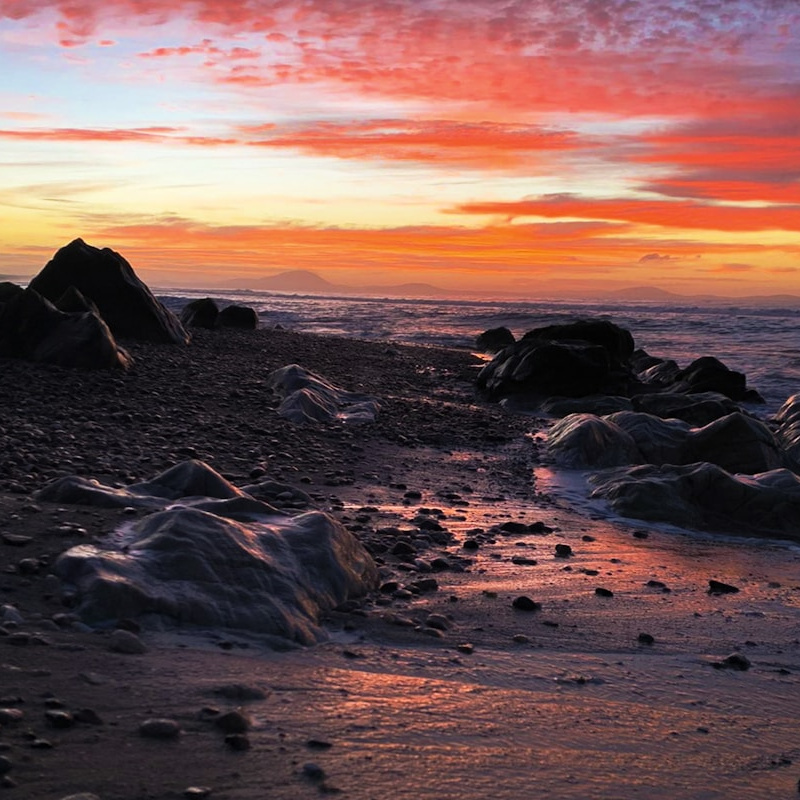
 Uruguay
Canelones, Uruguay, is a significant wine region, famed for its Tannat and other red varieties.
 Germany
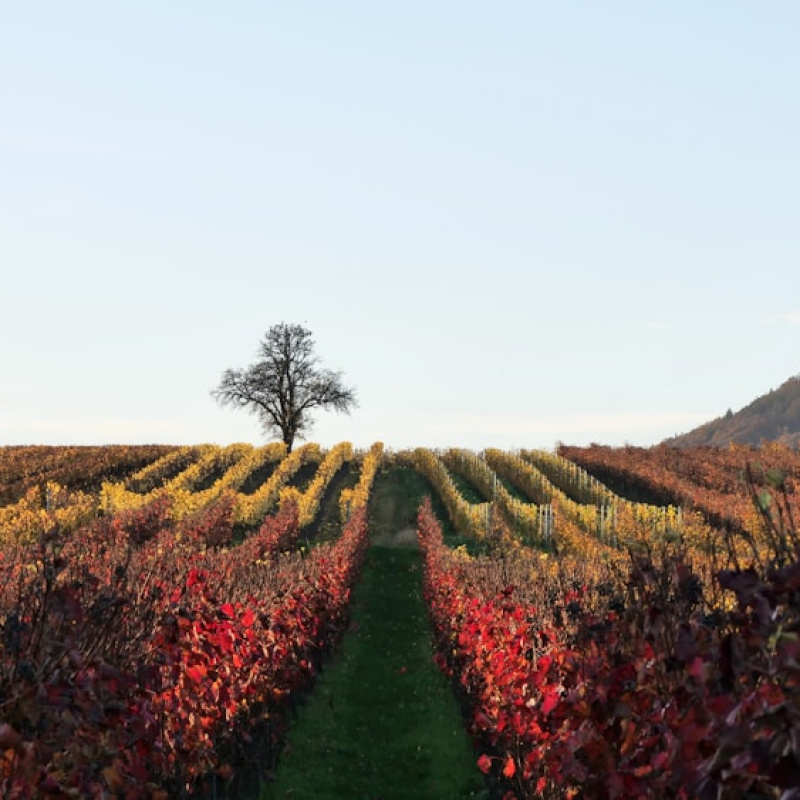
Pfalz, Germany, is renowned for its high-quality wines, particularly Riesling, influenced by its warm, sunny climate and diverse soils.
 Germany
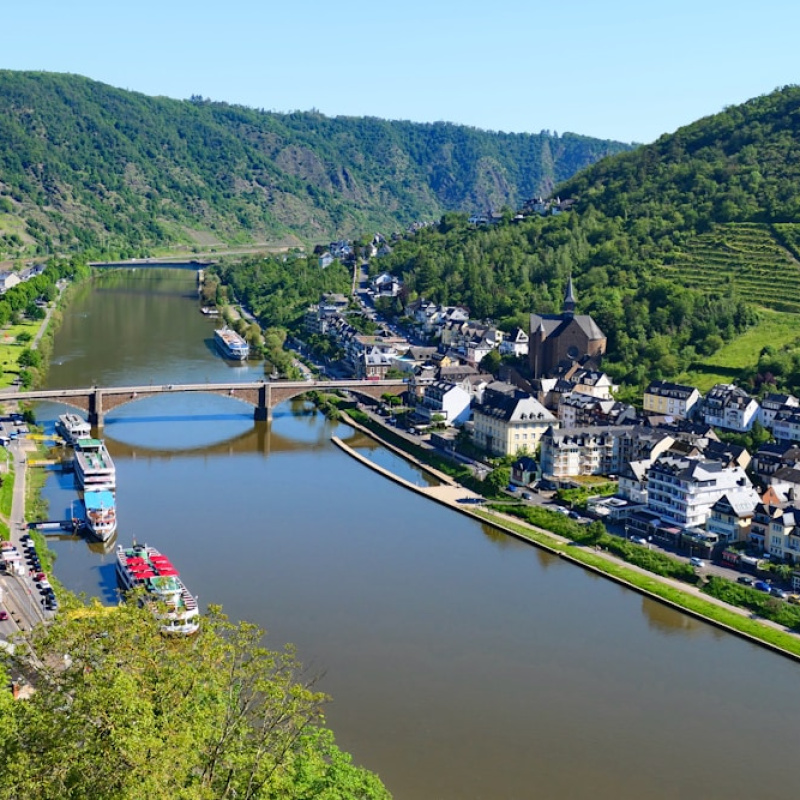
Mosel, Germany, is renowned for its steep, slate-sloped vineyards producing world-class Riesling wines.
 Portugal
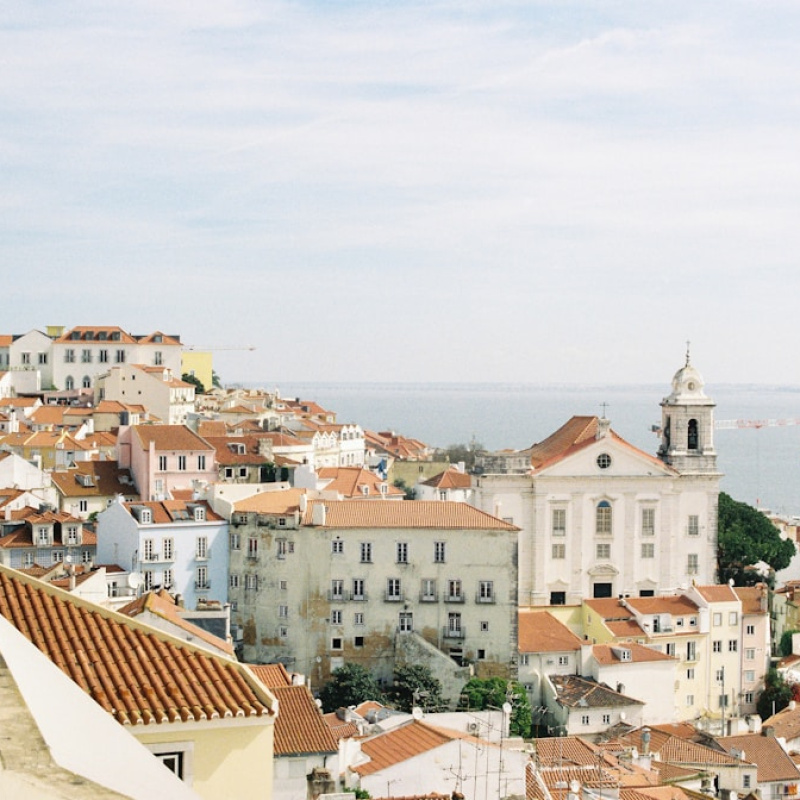
Lisboa, though not a major spirits region, boasts robust, sun-drenched wines, particularly reds from Colares and Carcavelos, influenced by Atlantic breezes and sandy...
 Portugal
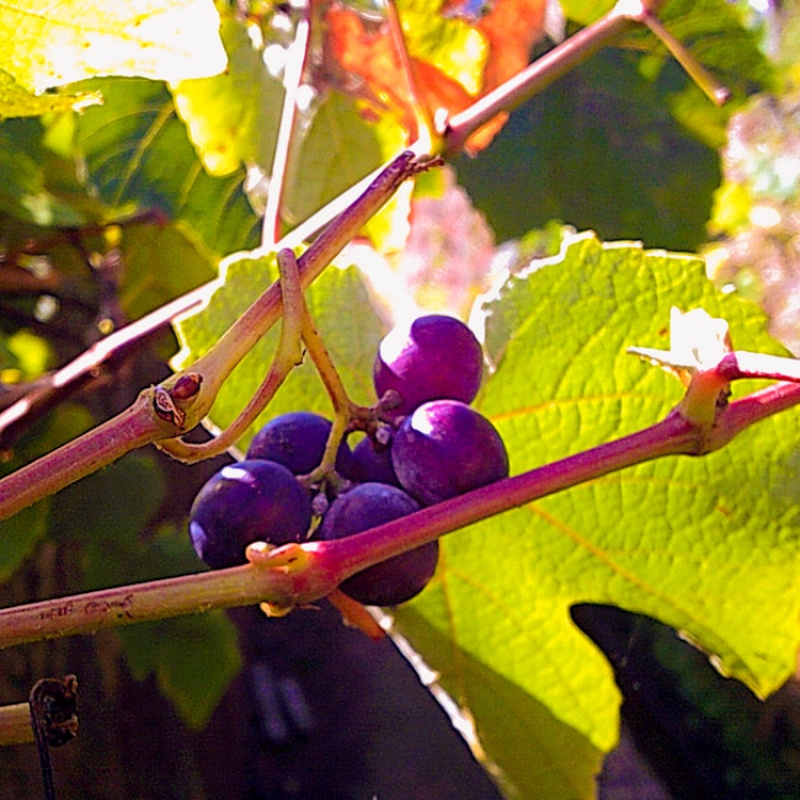
Vinho Verde, Portugal, primarily produces light, refreshing, low-alcohol *vinho verde* wine.
 Greece
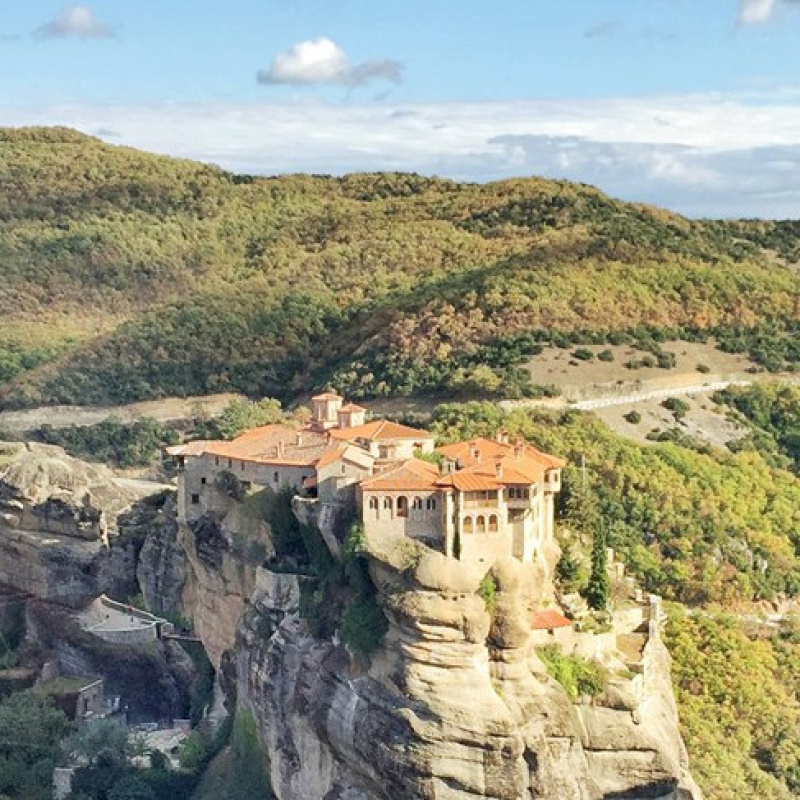
Macedonia, while not widely renowned, produces distinctive wines, often using local grapes, alongside fruit-based brandies like rakija.
 Chile
Chile
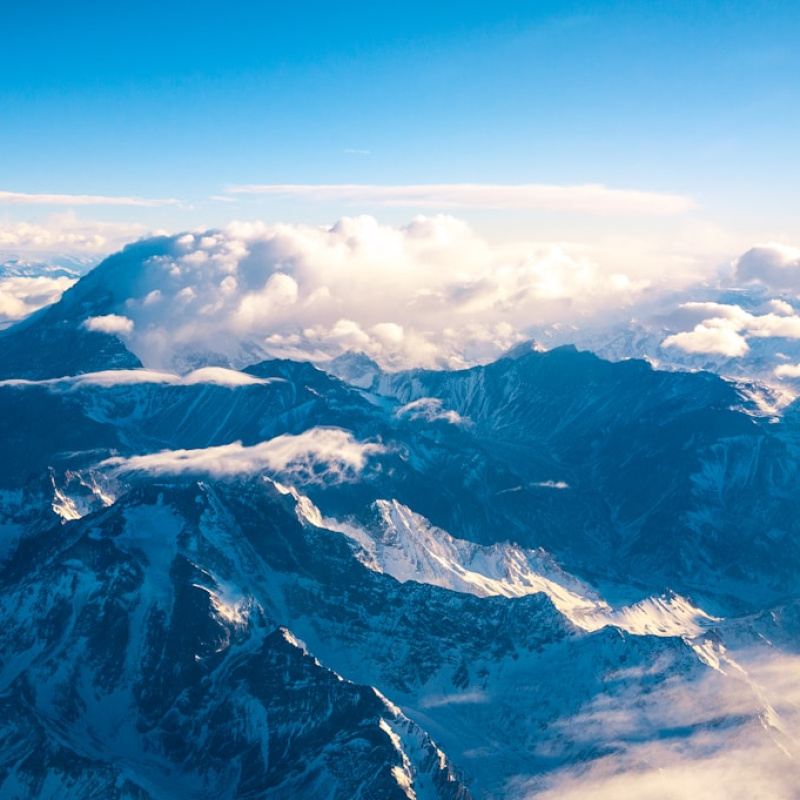
Aconcagua, Chile, primarily produces elegant, cool-climate wines, particularly reds like Cabernet Sauvignon and Syrah, influenced by its high altitude and Andean...
 Uruguay
Maldonado, Uruguay, primarily produces Tannat-based wines influenced by its maritime climate, resulting in robust, flavorful reds.
 Israel
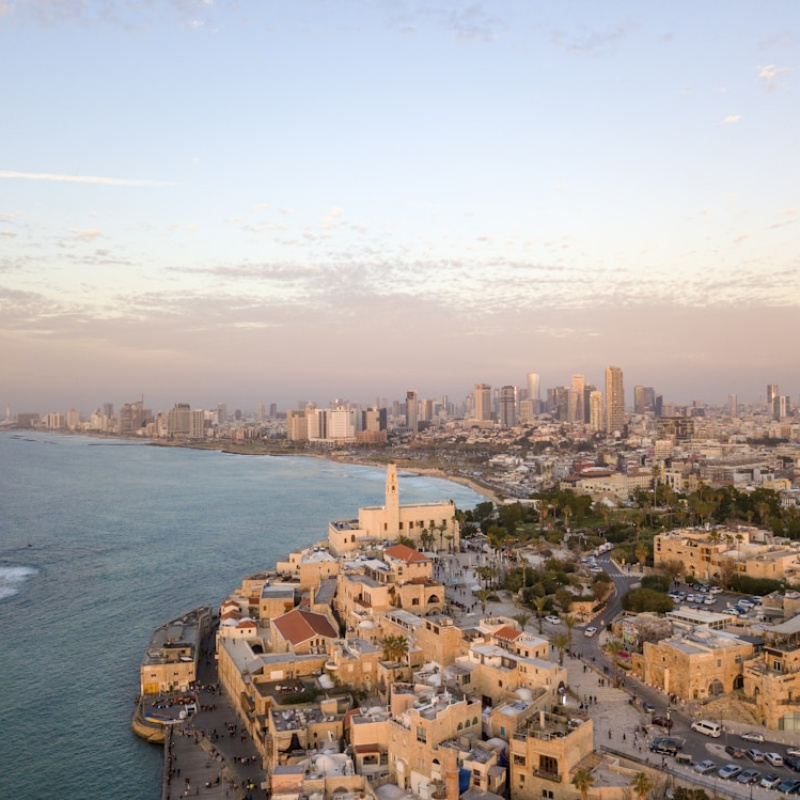
Samson, known for its potent fruit brandies, employs traditional pot distillation using locally grown plums and pears.
 Germany
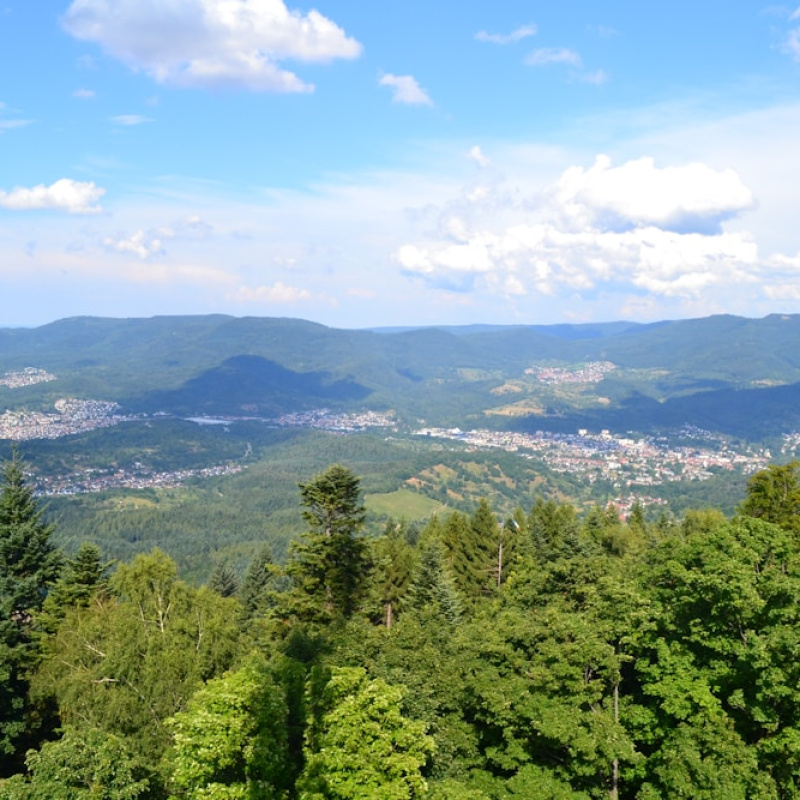
Baden, a German region, is renowned for its elegant, dry Pinot Noir wines ("Spätburgunder") crafted using traditional methods.
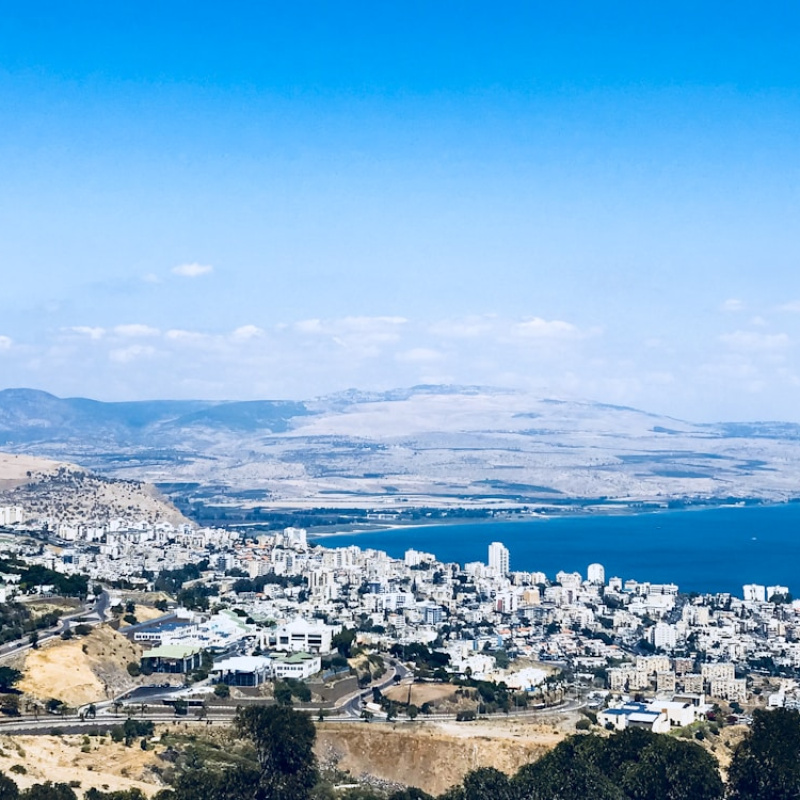 Israel
Galilée, nestled in Israel's north, boasts a burgeoning wine industry, leveraging its Mediterranean climate for vibrant, fruity reds and crisp whites.
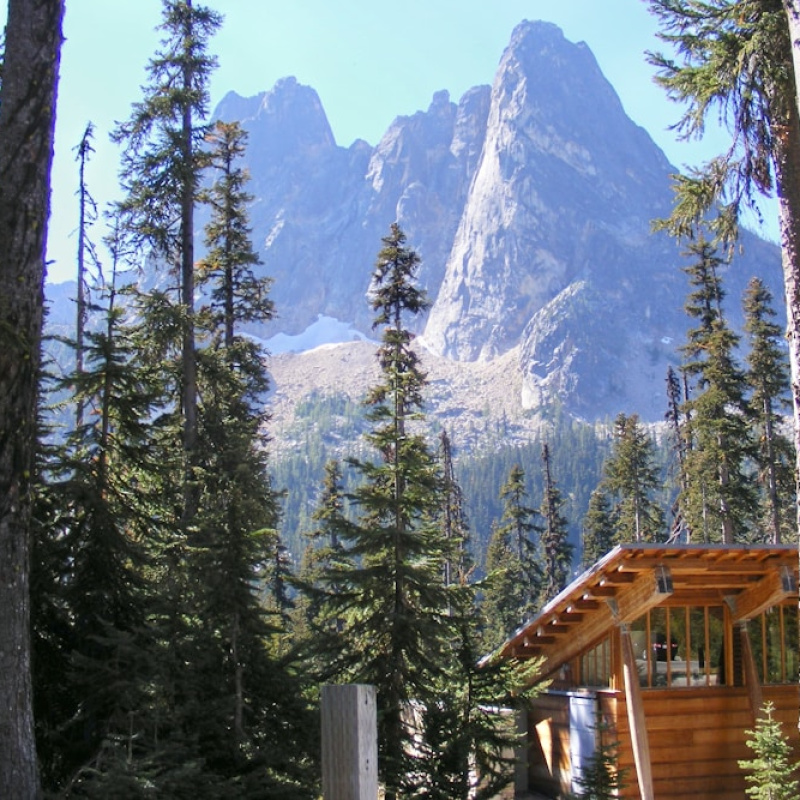
 United States
Washington State, known for its diverse climate, excels in producing world-class wines, particularly robust reds and crisp whites.
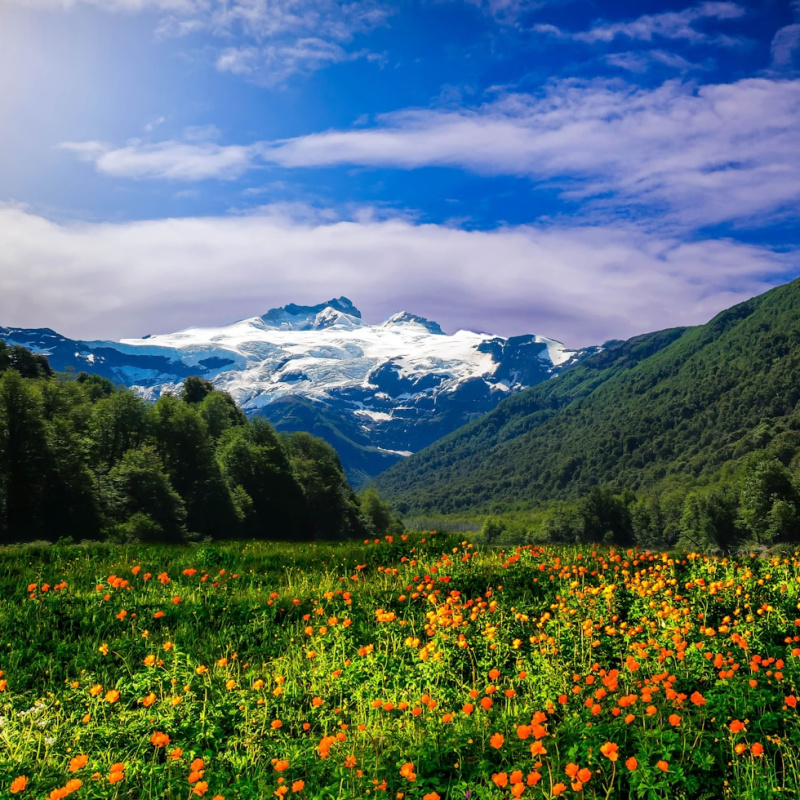
 Argentina
Rio Negro, Argentina, is a burgeoning wine region known for its cool-climate Pinot Noir and Malbec, often producing elegant, crisp expressions.
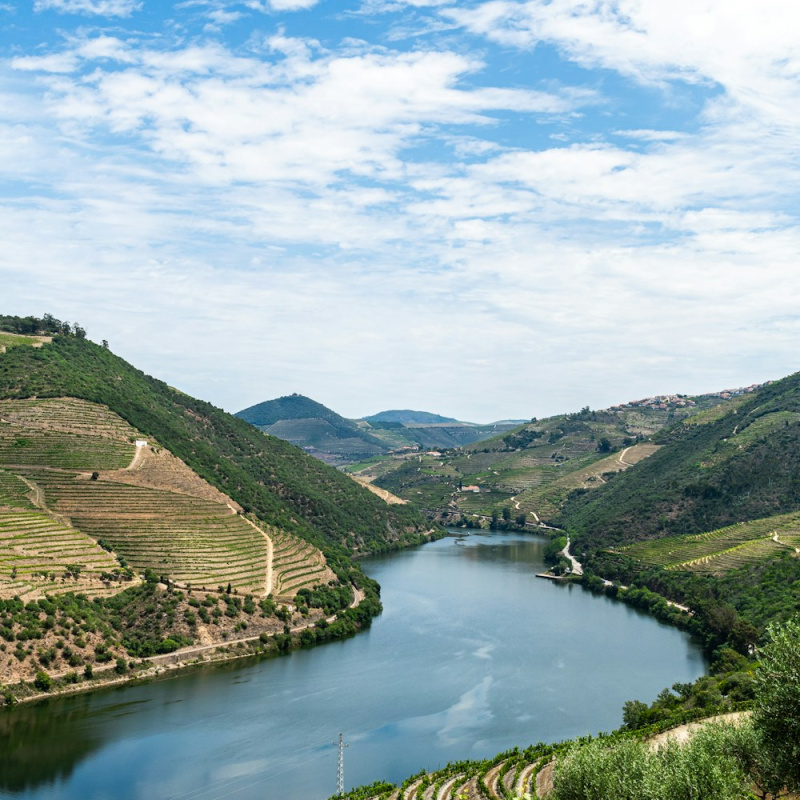 Portugal
The Vallée du Duero, renowned for its robust red wines like Ribera del Duero and fortified Ports, experiences hot summers and cold winters.
 Romania
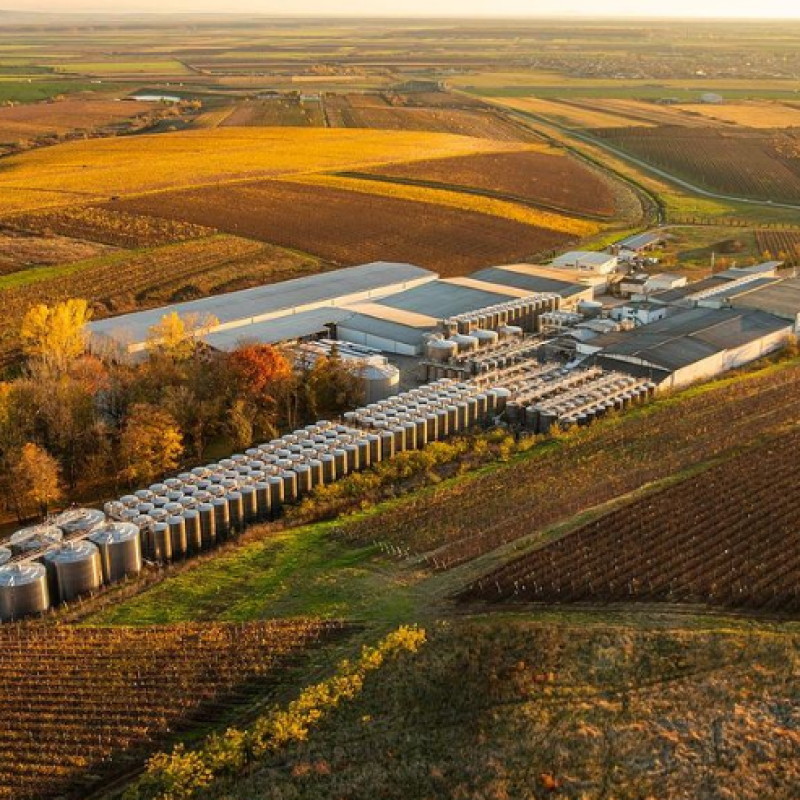
Recas, Romania, primarily a wine region, boasts a history of crafting full-bodied reds and crisp whites, influenced by its warm continental climate.
 Greece
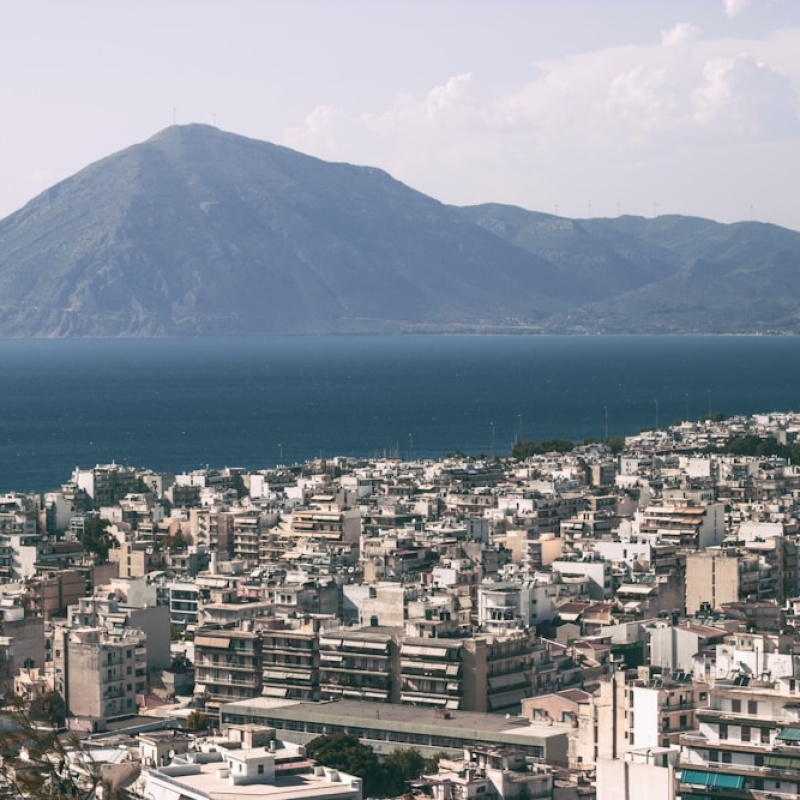
The Peloponnese, Greece, crafts robust red wines from Agiorgitiko and Moschofilero, alongside retsina and aromatic local brandies.
 Italy
Italy
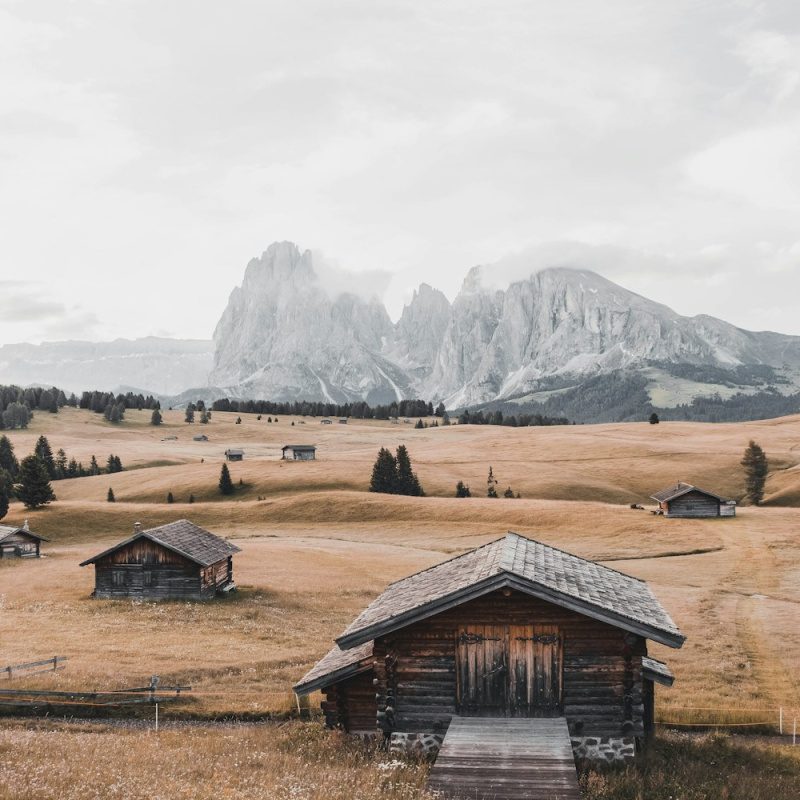
Trentino Alto Adige, nestled in the Alps, crafts aromatic, cool-climate wines like Schiava and Lagrein, alongside grappa and fruit brandies.
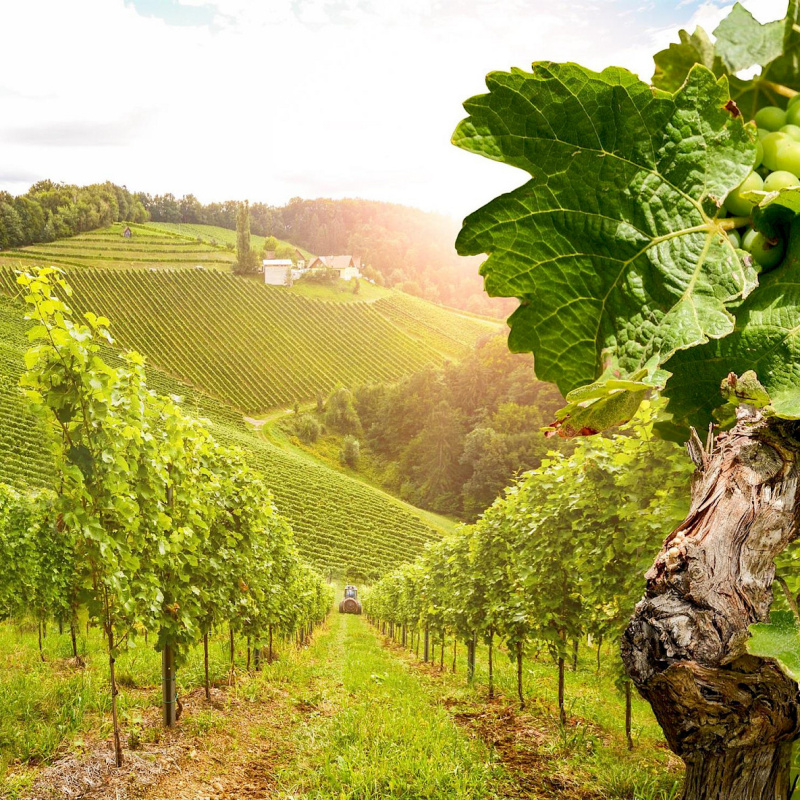 Portugal
Dão e Lafões, in Portugal, is renowned for its elegant, age-worthy red wines, particularly from Touriga Nacional, and crisp whites.
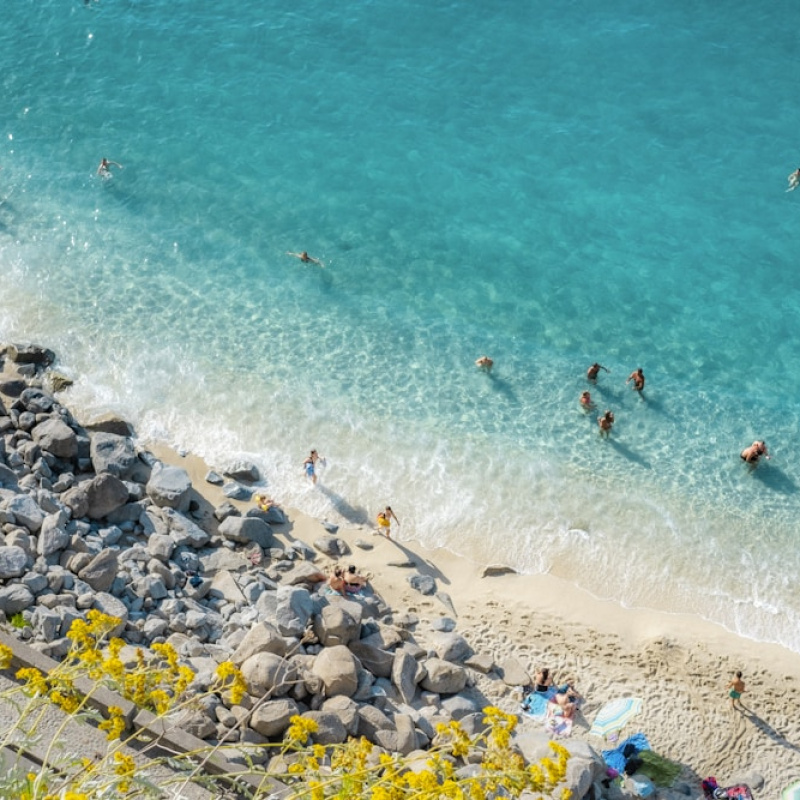 Italy
Italy
Calabria, Italy, crafts robust red wines from Gaglioppo grapes, reflecting its sun-drenched, hilly terrain.
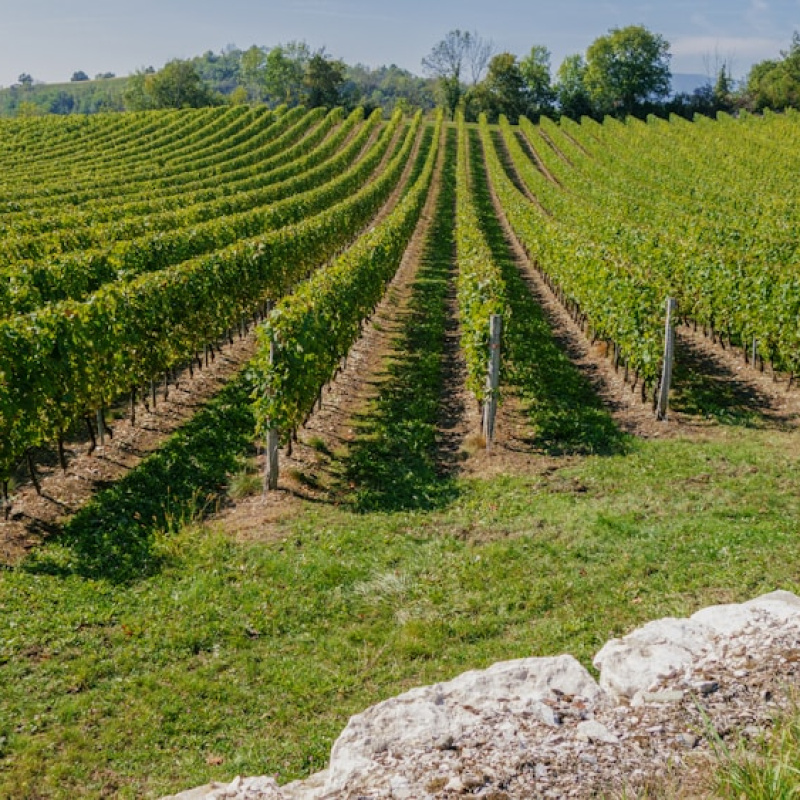 France
Savoie and Bugey, nestled in the French Alps, craft unique alpine wines, often from indigenous grapes like Jacquère and Mondeuse.
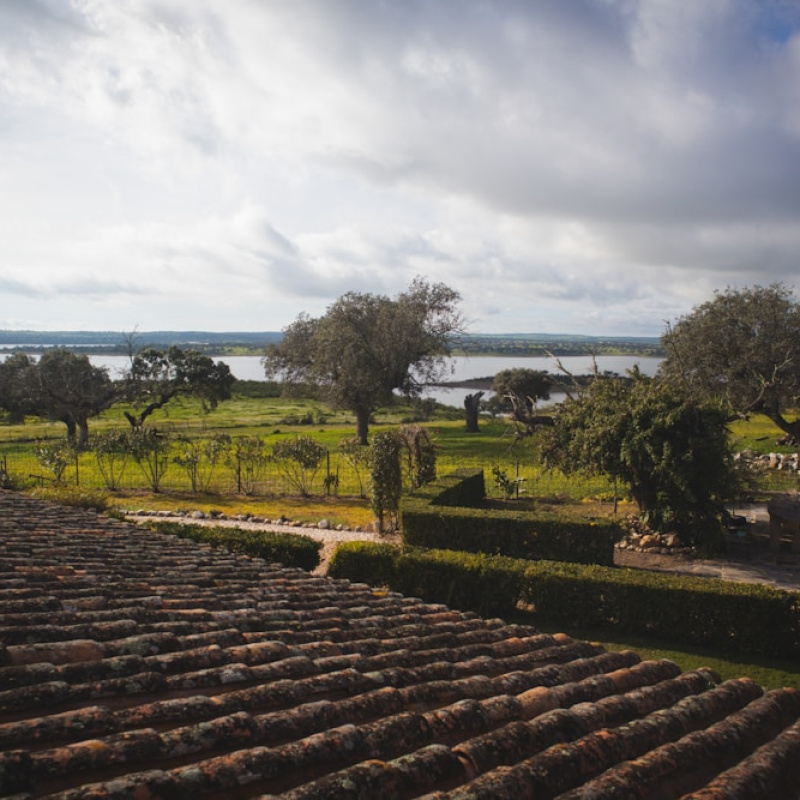 Portugal
Alentejo, Portugal, crafts bold, sun-drenched wines using traditional methods, reflecting its hot, dry climate.
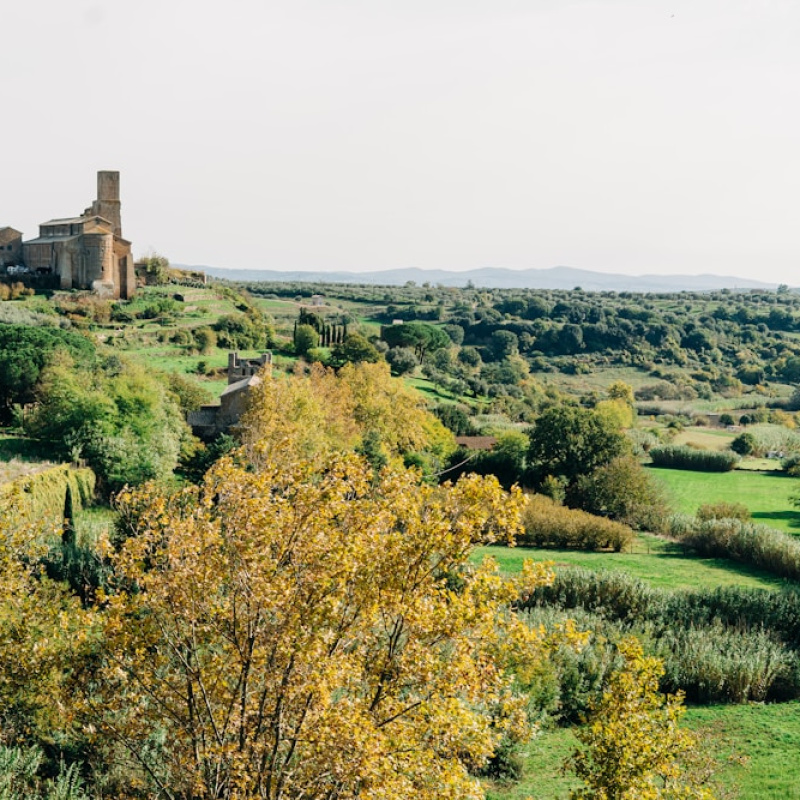 Italy
Italy
Lazio, famed for its Roman history, primarily produces light, crisp white wines from Malvasia and Trebbiano grapes.
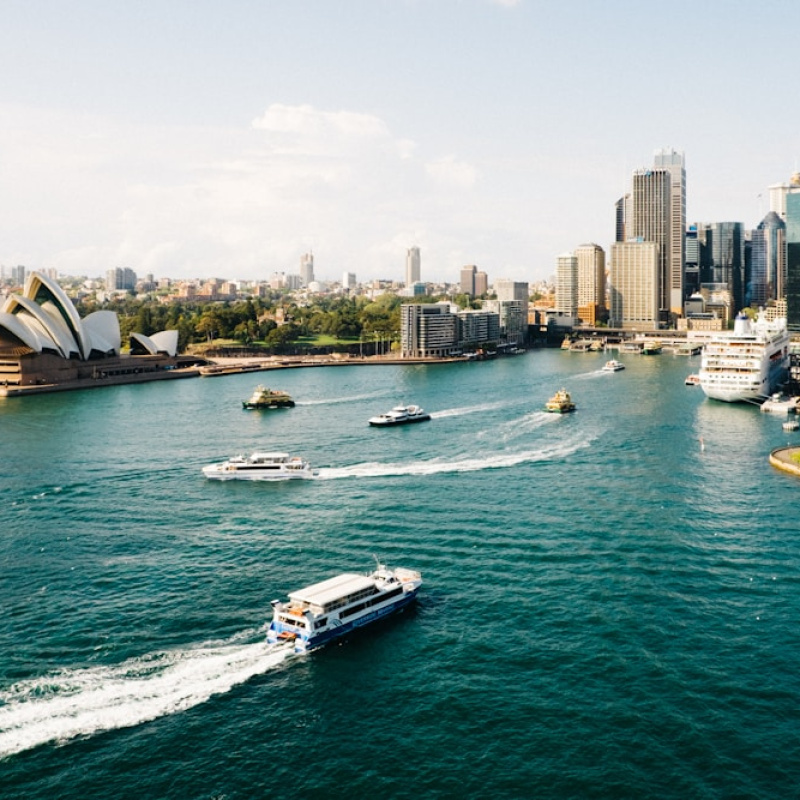 Australia
Australia, renowned for its sun-drenched vineyards, produces bold, fruit-forward wines, and increasingly, craft spirits like innovative gins and whiskies.

Required for basic site functionality such as security and session handling. Always active.
Enable enhanced functionality such as remembering your preferences.
Help us understand how visitors interact with the website.
Content from video platforms and map services is blocked until you consent.
This content is provided by an external service. It loads only after you allow the “{category}” category.
 Lebanon