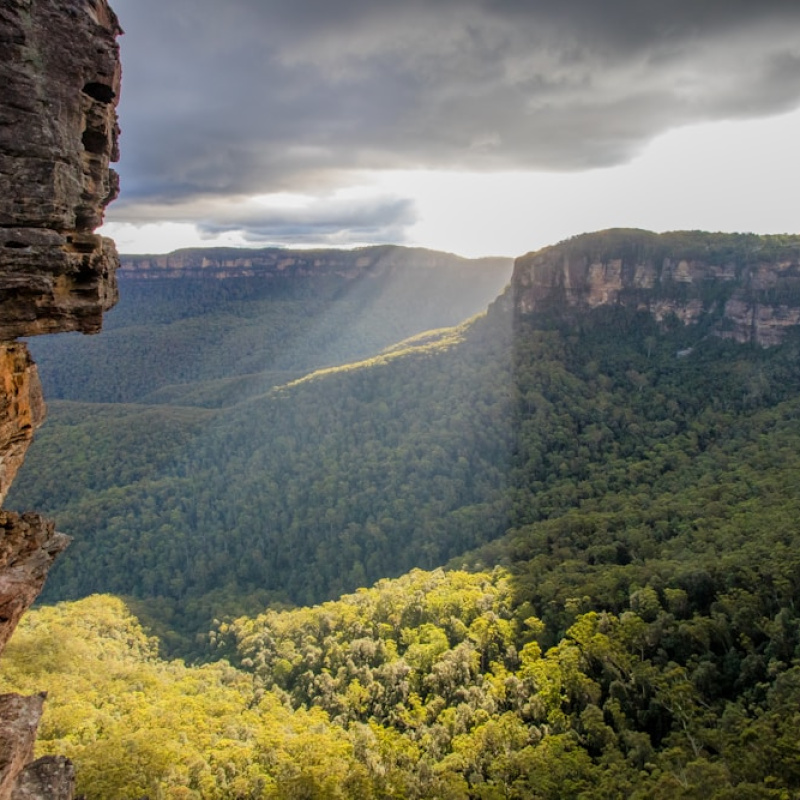
 Australia
New South Wales
New South Wales, Australia, produces diverse wines, from Hunter Valley Semillon to bold Shiraz, alongside burgeoning craft spirits like whisky and gin.
 LQRS
LQRS
Discover
Explore drinks by category, producer, origin, taste, and the places that shape them.
Sense of place
Showing 60 of 224
Australia
New South Wales, Australia, produces diverse wines, from Hunter Valley Semillon to bold Shiraz, alongside burgeoning craft spirits like whisky and gin.
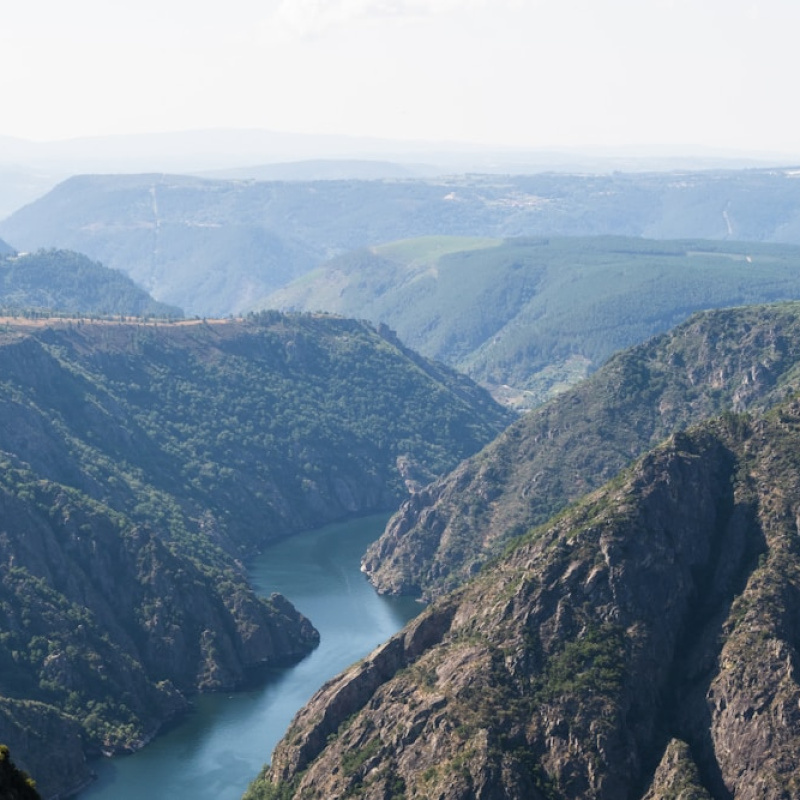
 Argentina
Valles Calchaquíes, nestled high in Argentina, crafts distinctive high-altitude wines and Singani, a local grape brandy.
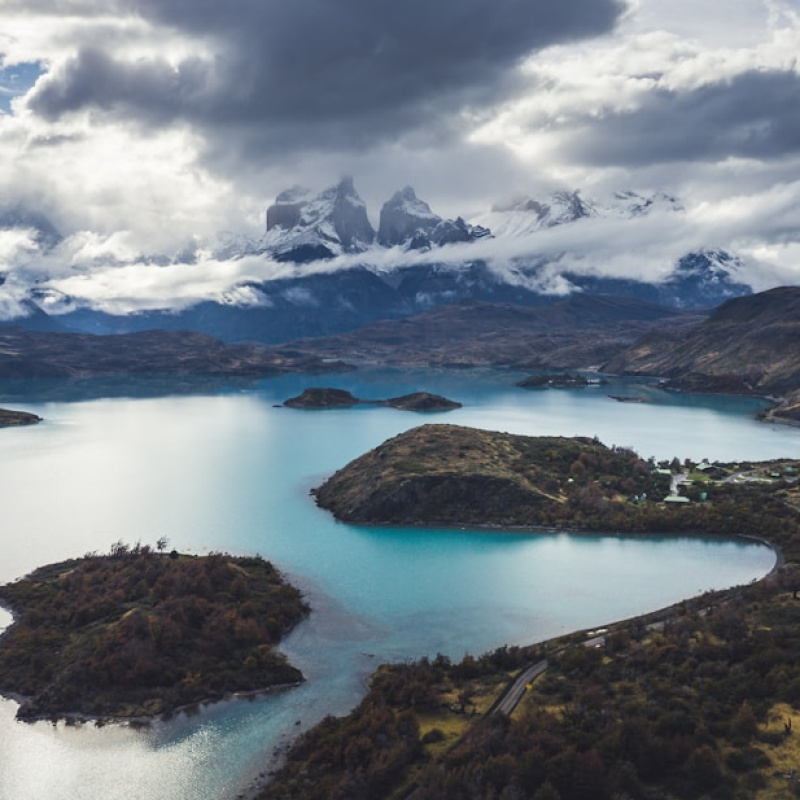
 Chile
Chile
Coquimbo, Chile, crafts primarily pisco, a grape brandy, under a semi-arid climate. Traditional methods use copper pot stills.
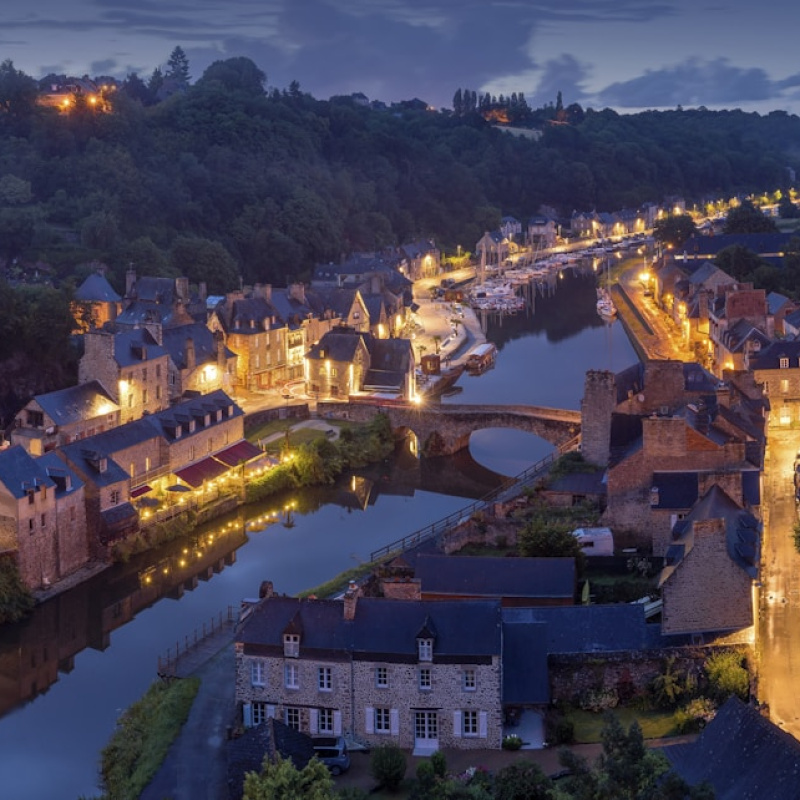
 France
Centre-Ouest, France, is renowned for Cognac, a world-famous brandy distilled from white wine, showcasing unique terroir expression.
 France
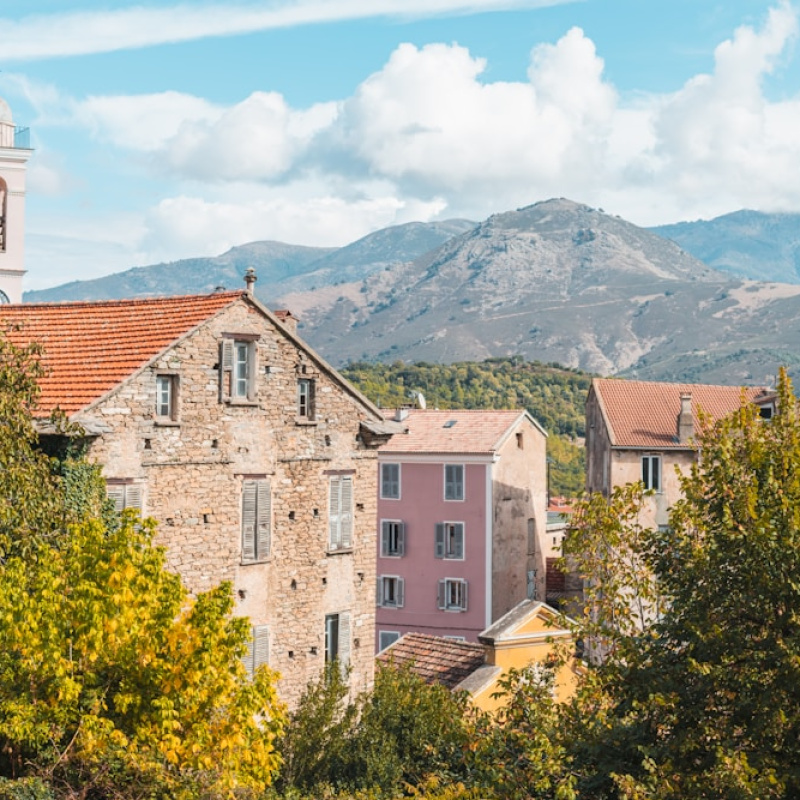
Corsica, a mountainous island, crafts distinctive wines from indigenous grapes, influenced by its Mediterranean climate.
 Australia
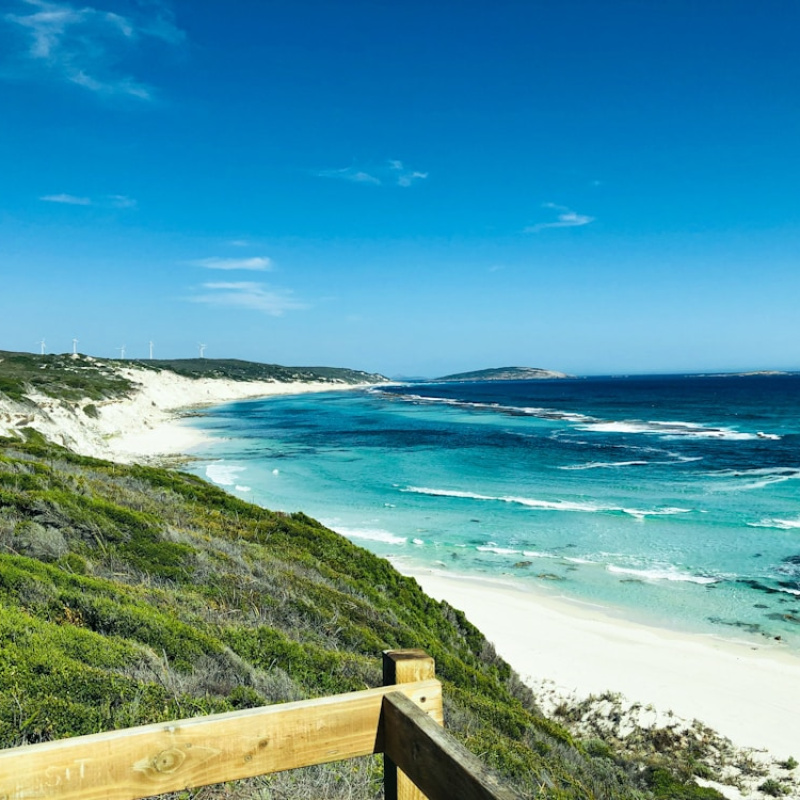
Western Australia crafts distinctive wines from its Mediterranean climate, notably robust reds and crisp whites.
 Germany
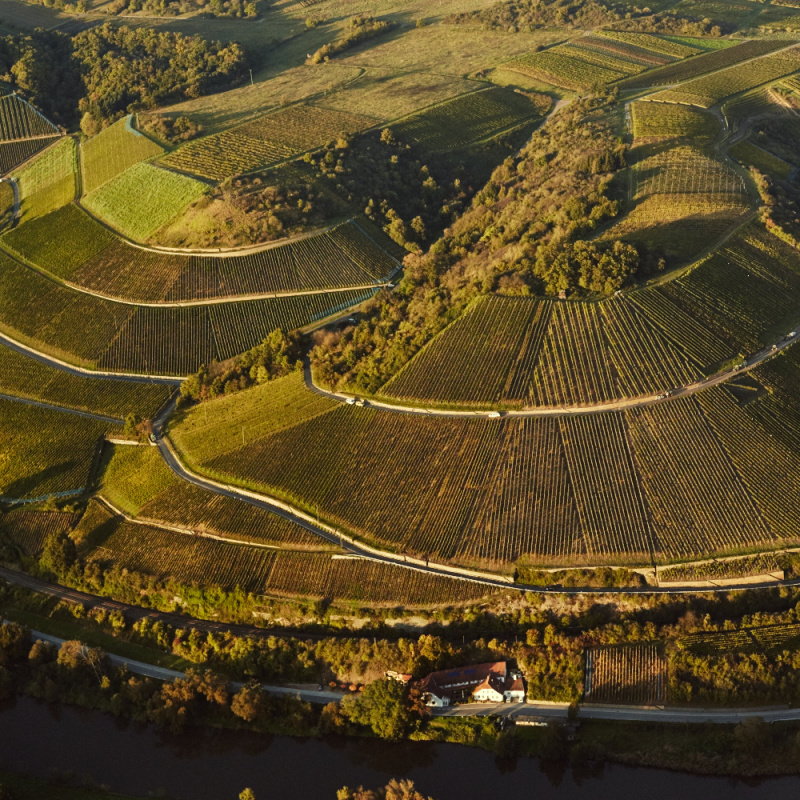
Nahe, Germany, is renowned for its elegant, fruit-forward Riesling wines, shaped by a cool climate and diverse volcanic soils.
 Germany
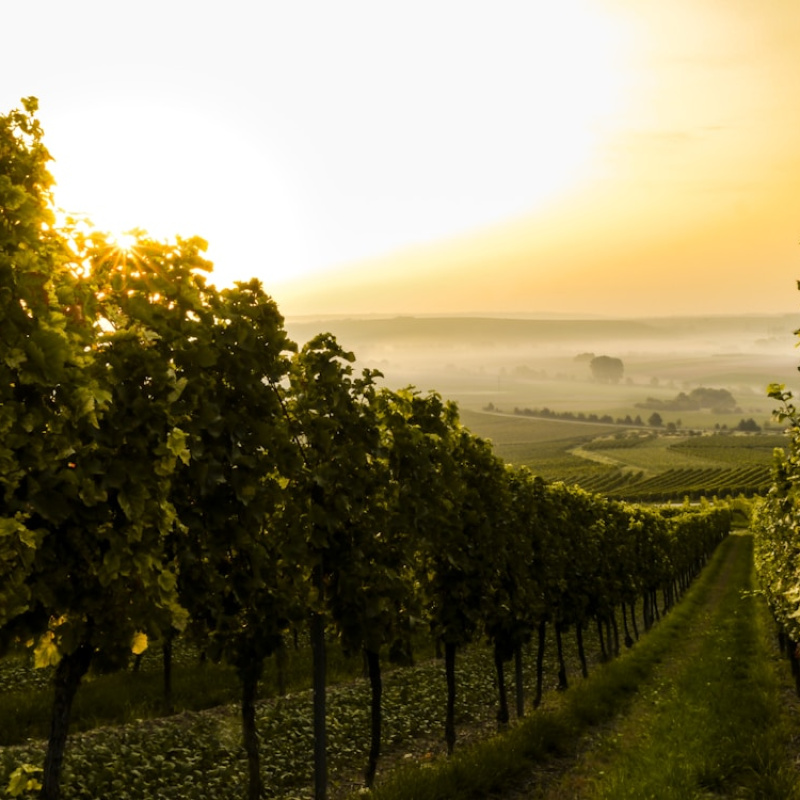
Rheinhessen, Germany, is primarily renowned for its volume-driven, fruit-forward white wines, especially Riesling.
 Italy
Italy
Basilicata, a southern Italian region, primarily produces robust red wines from Aglianico grapes, often age-worthy.
 Spain
Spain
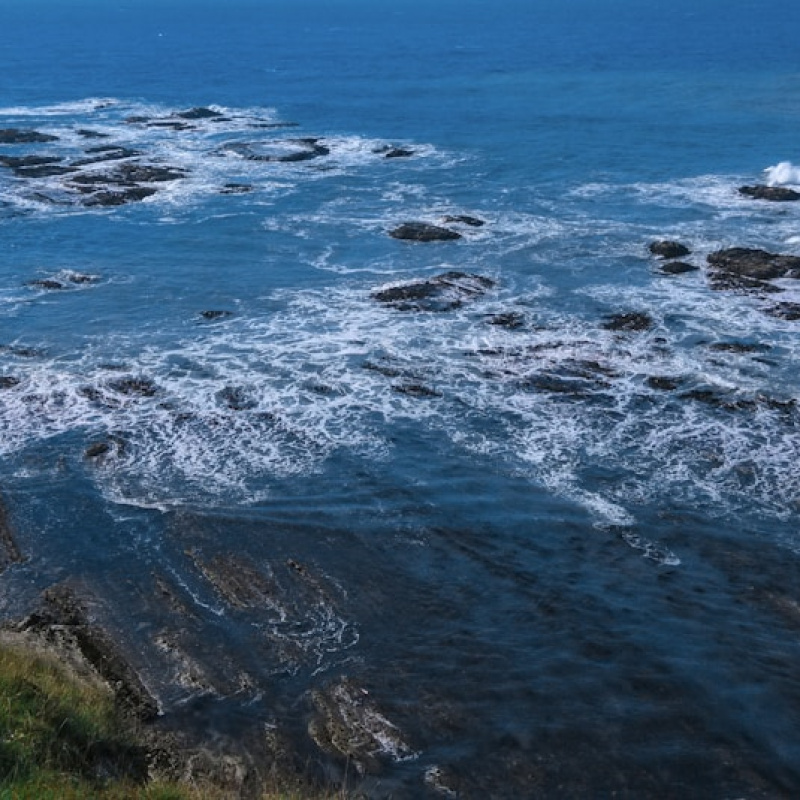
Les Iles, a Caribbean archipelago, yields unique rums and rhum agricoles, shaped by a tropical climate.
 New Zealand
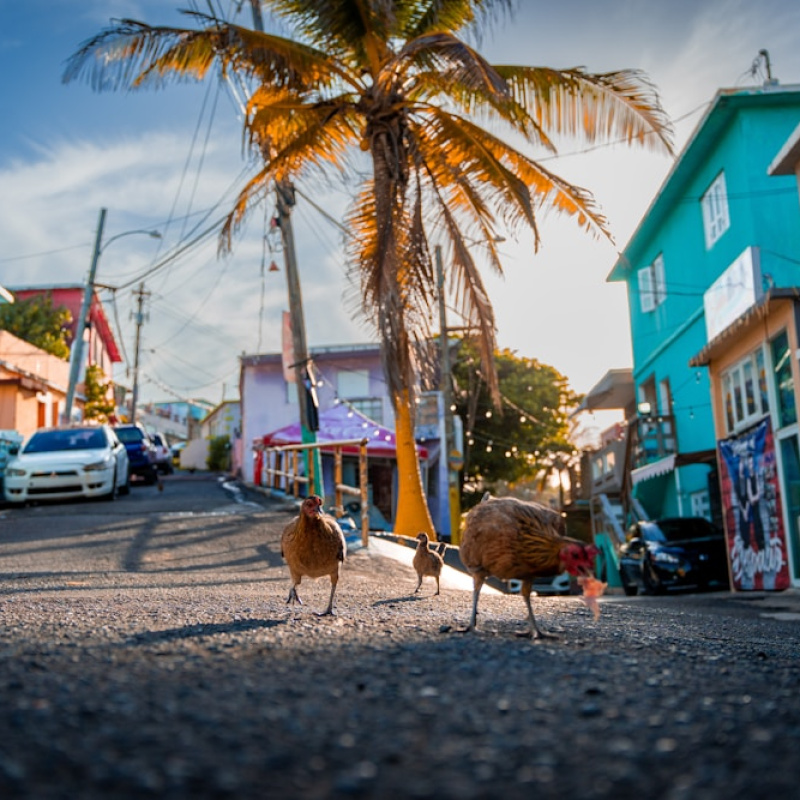
South Island, New Zealand, excels in cool-climate winemaking, particularly Sauvignon Blanc and Pinot Noir.
 Argentina
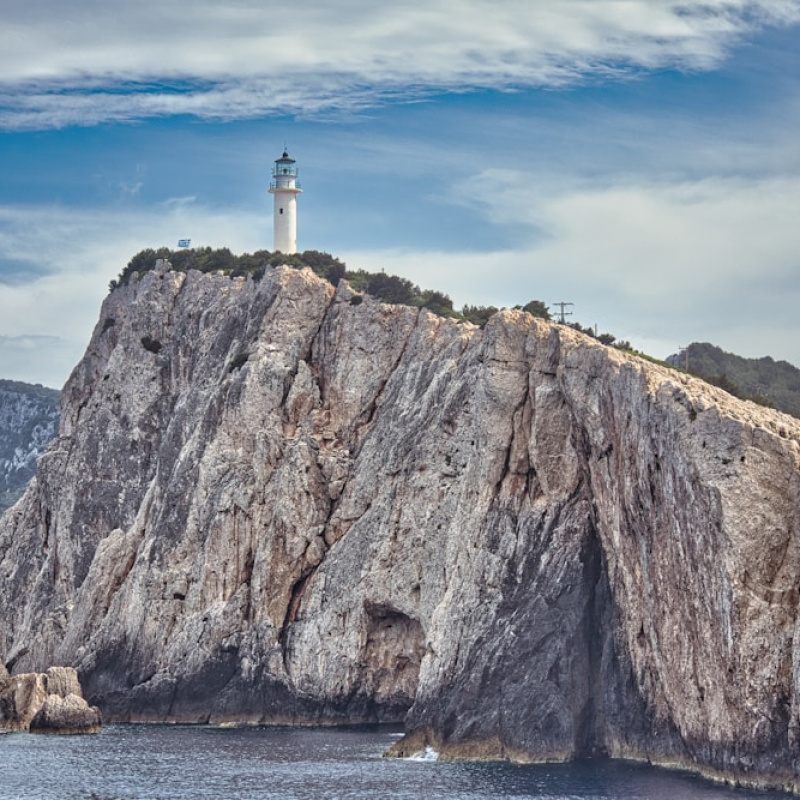
San Juan, Argentina, a sun-drenched region, is known for its robust, fruity wines, particularly Syrah and Malbec, shaped by arid climate and high altitude.
 Greece
The Ionian Islands produce sun-kissed Robola wine, and strong, aromatic liqueurs like Kumquat.
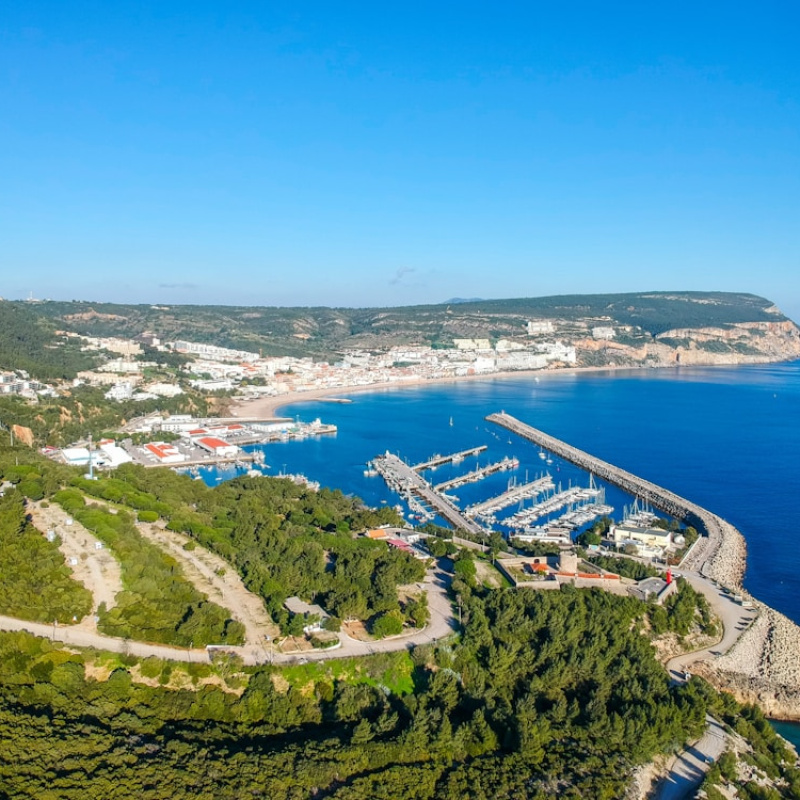
 Portugal
The Setúbal Peninsula, Portugal, is renowned for its fortified Moscatel wines, crafted from Muscat grapes and aged in oak.
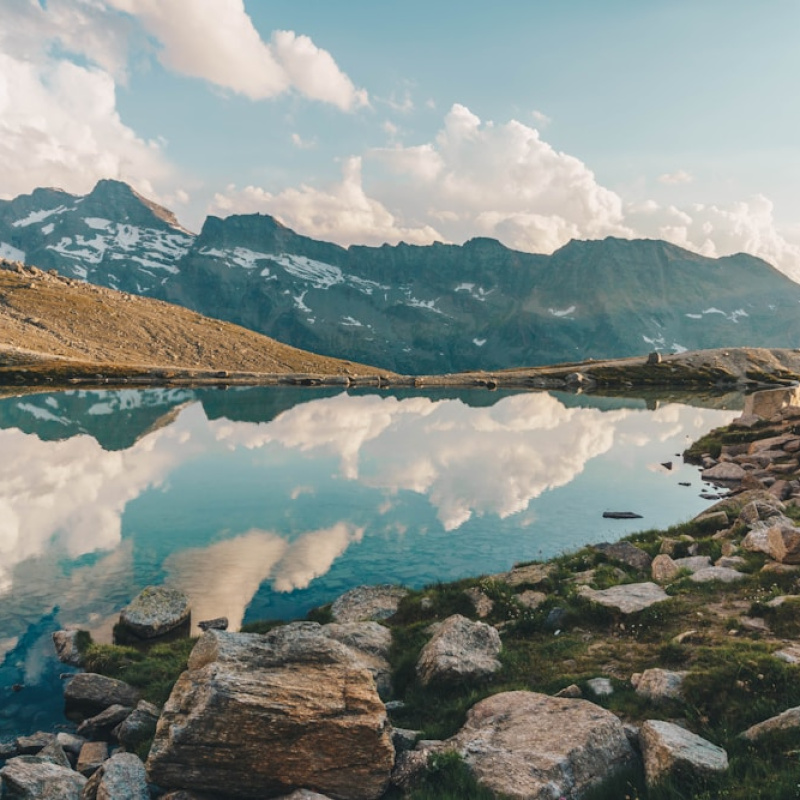 Italy
Italy
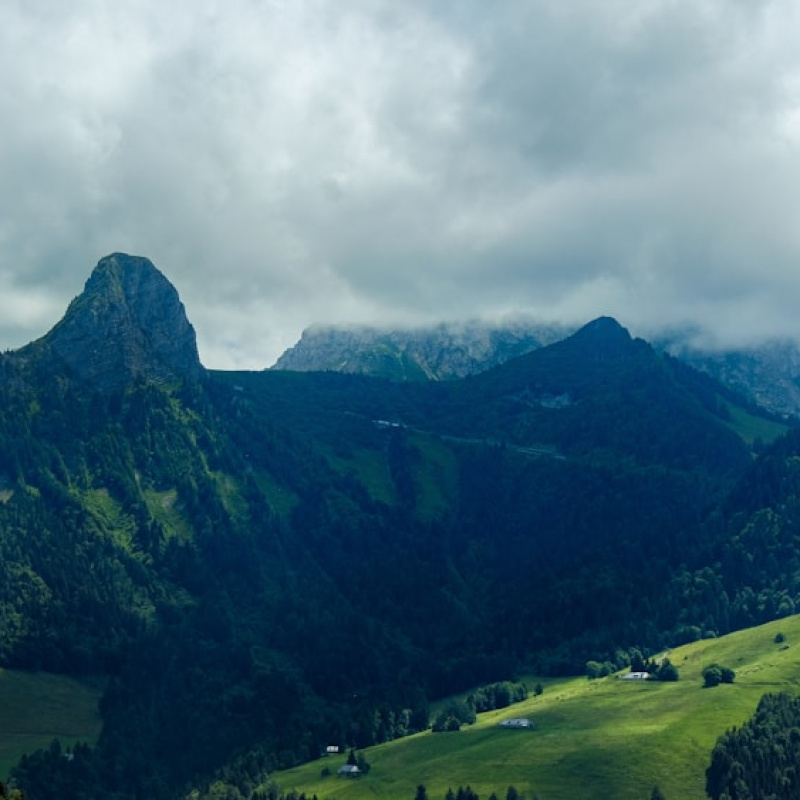
Aosta Valley, Italy, produces high-altitude wines from indigenous grapes like Petit Rouge and Prié Blanc.
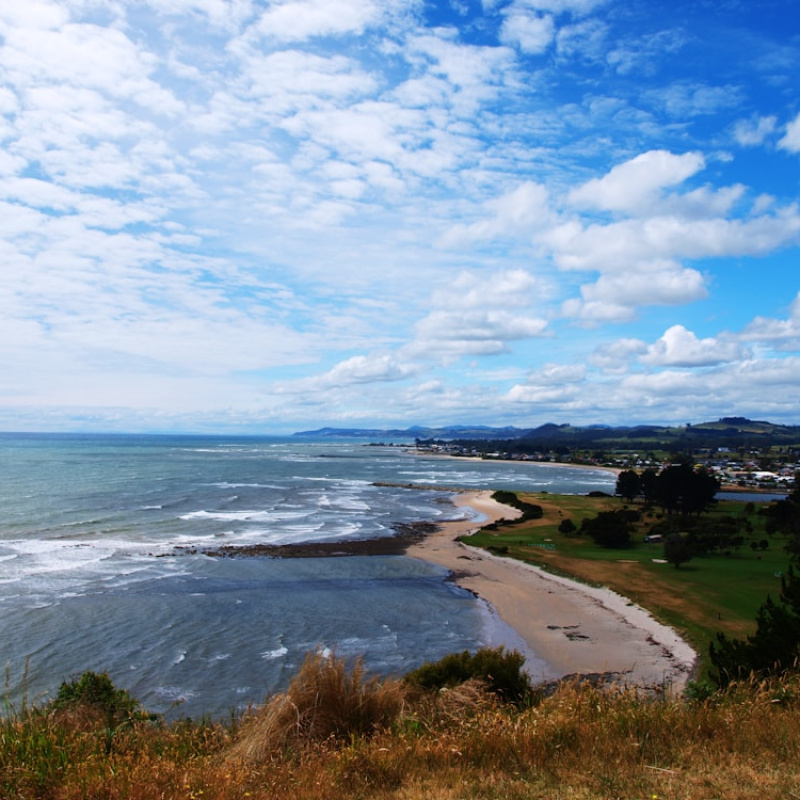

 United States
New York, with its diverse climate, produces world-class wines, especially Riesling and Cabernet Franc, alongside craft spirits.
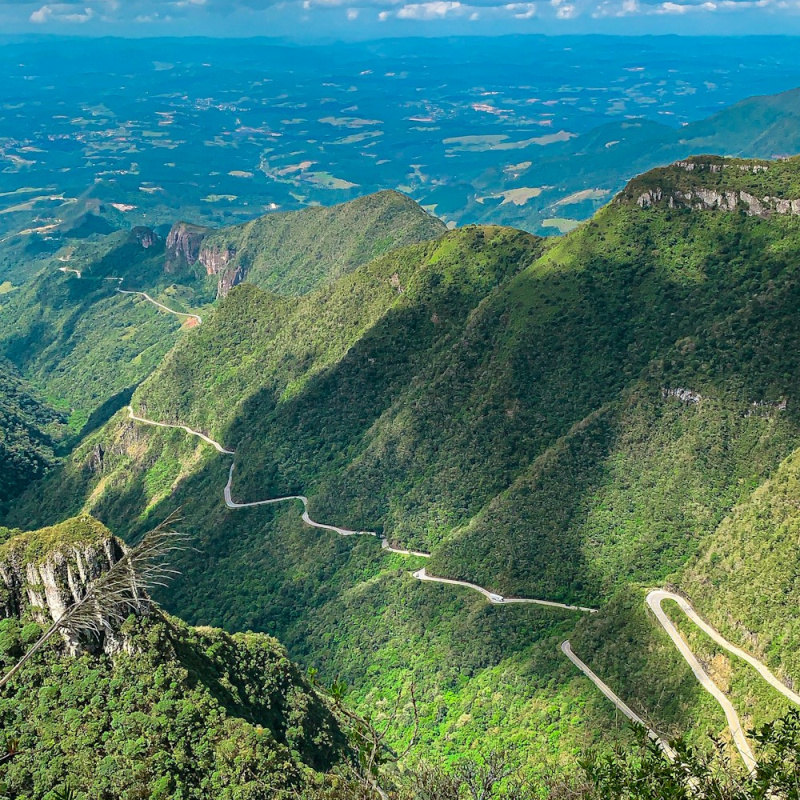
 Brazil
Serra Gaúcha, Brazil, is renowned for its Italian-influenced wine production, particularly sparkling wines.
 Portugal
Tejo, in Portugal, is primarily a wine region, known for robust reds and crisp whites. Though not a major spirits producer, it has a history of brandy making.
 France
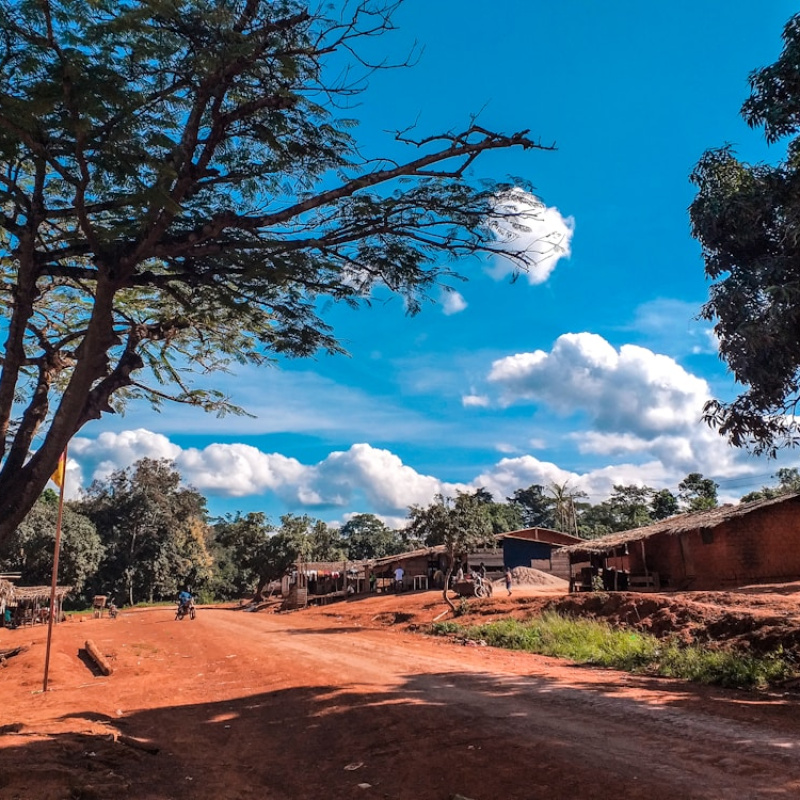
Nord-Est, a region encompassing northeastern Romania, boasts a history rooted in winemaking and fruit spirits.
 Greece
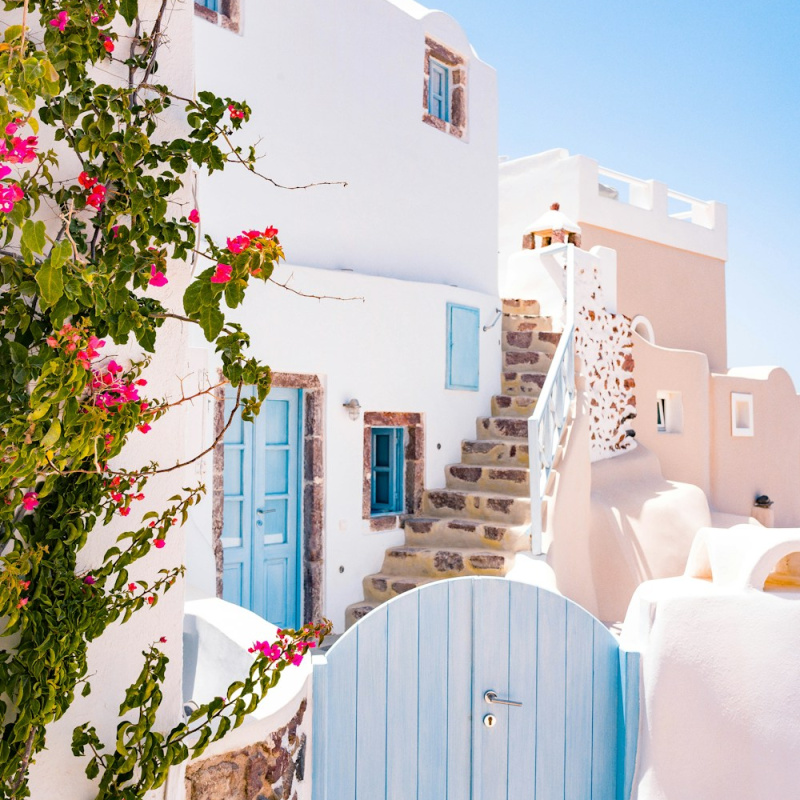
Central Greece, or Sterea Ellada, produces robust Retsina wines, flavored with pine resin, alongside strong grape distillates like Tsipouro.
 Argentina
Salta, Argentina, is renowned for its high-altitude wines, particularly Torrontés, influenced by arid, sunny conditions.
 Switzerland
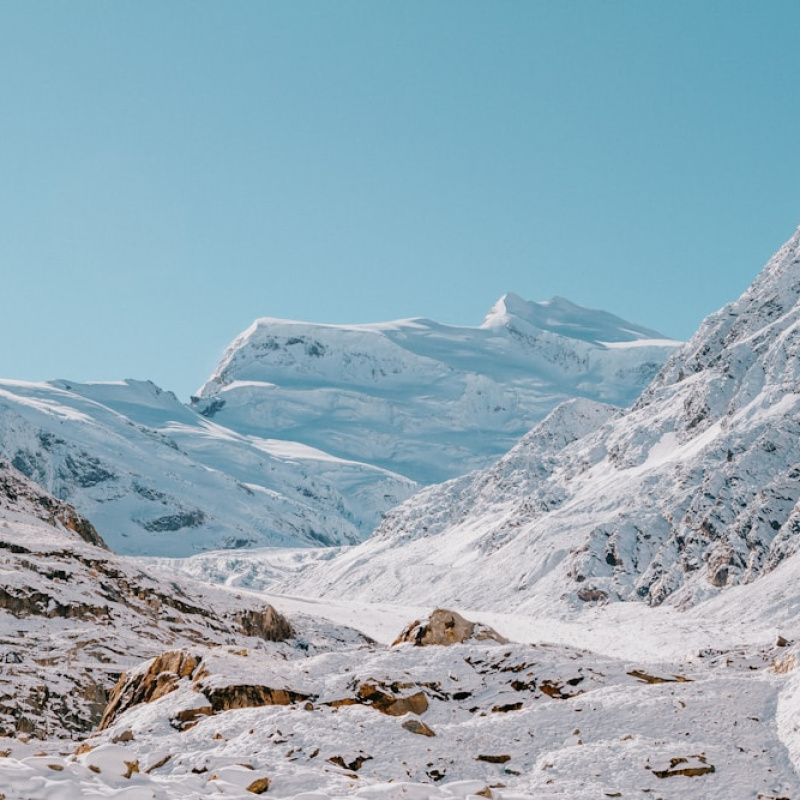
Valais, Switzerland, crafts distinctive wines from high-altitude vineyards, often using indigenous grapes like Petite Arvine.

 United Kingdom
England, while not globally renowned for wine, produces sparkling wines with a cool-climate character.
 United Kingdom
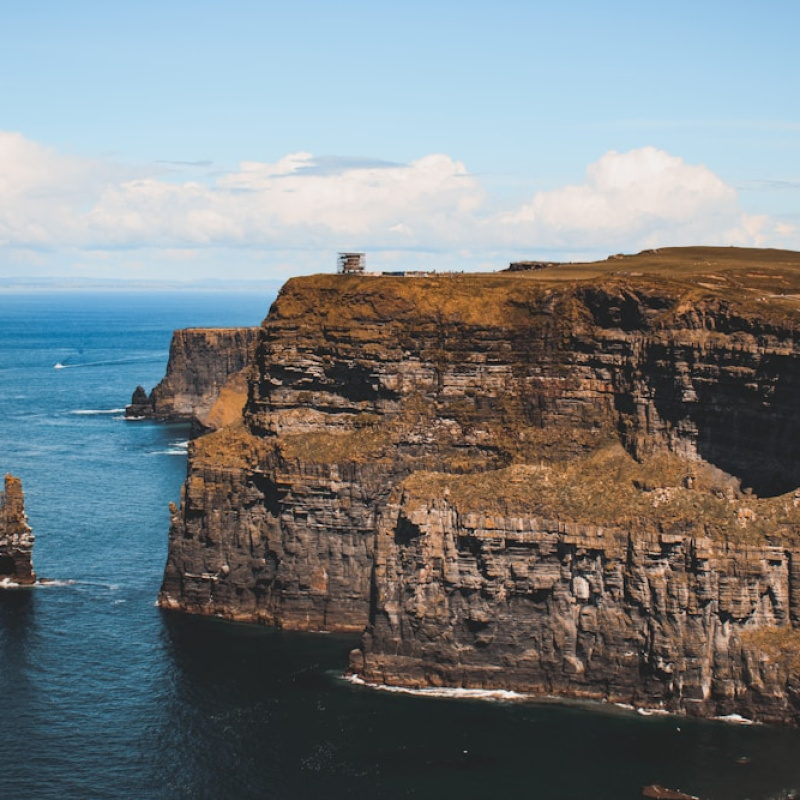
Northern Ireland, while not a major wine region, boasts a strong whiskey heritage, with pot still and single malt expressions reflecting its rugged landscape.
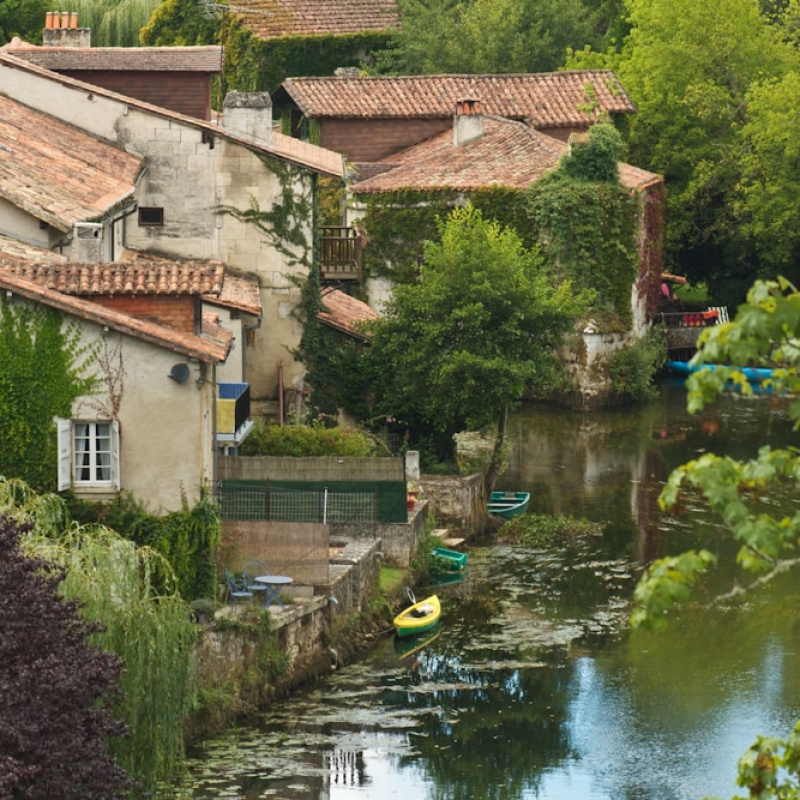 France
Poitou-Charentes, famed for Cognac production, boasts a rich tradition of eaux-de-vie crafted from Ugni Blanc grapes.
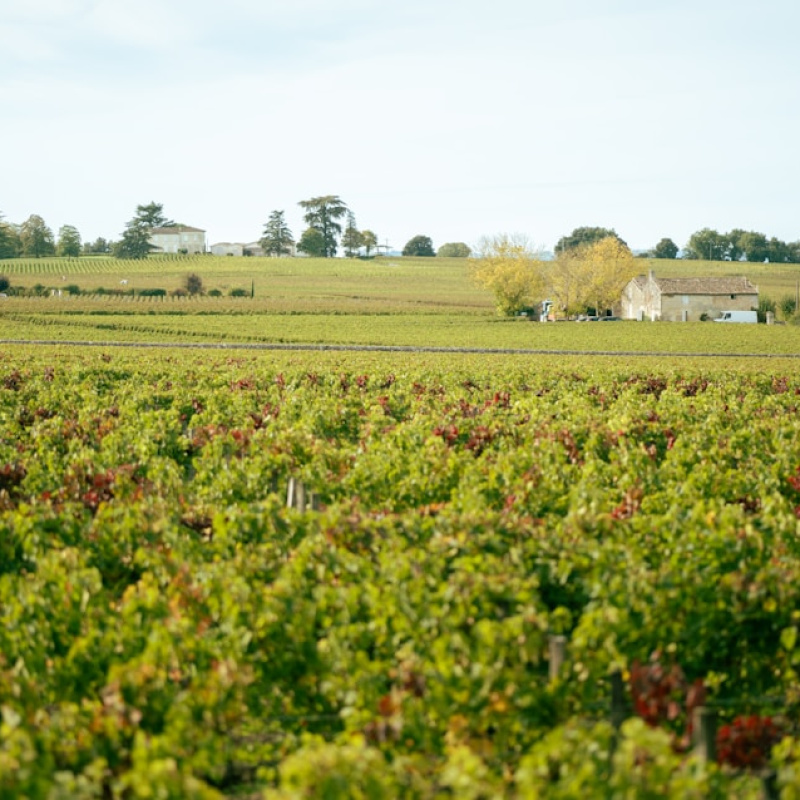 France
Aquitaine-Charentes, renowned for Cognac and Pineau des Charentes, boasts a long history of winemaking and distilling.
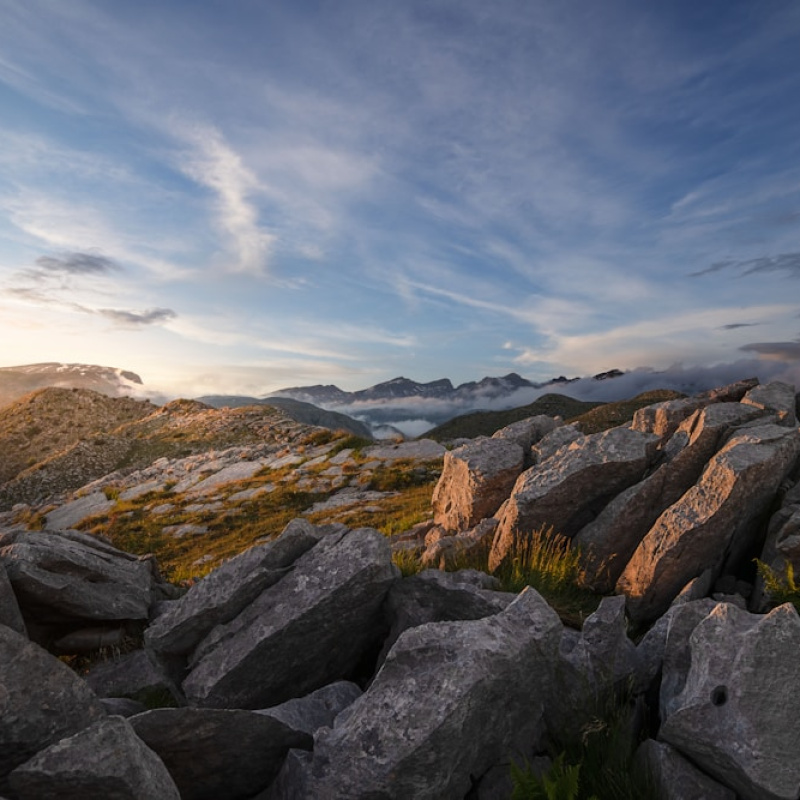 Greece
Epirus, Greece, boasts a rich history of spirit production. Its mountainous climate favors local grape varietals, yielding distinctive wines.
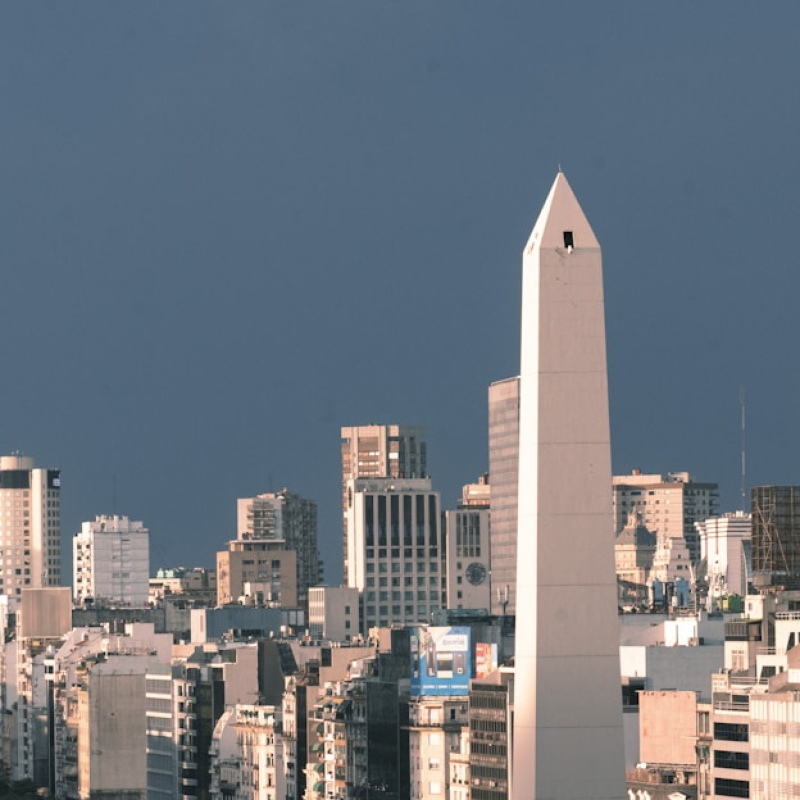 Argentina
Buenos Aires, while not a major spirits producer, boasts vibrant wine culture rooted in Malbec and Tannat. Traditional *Vino de la Casa* is common.
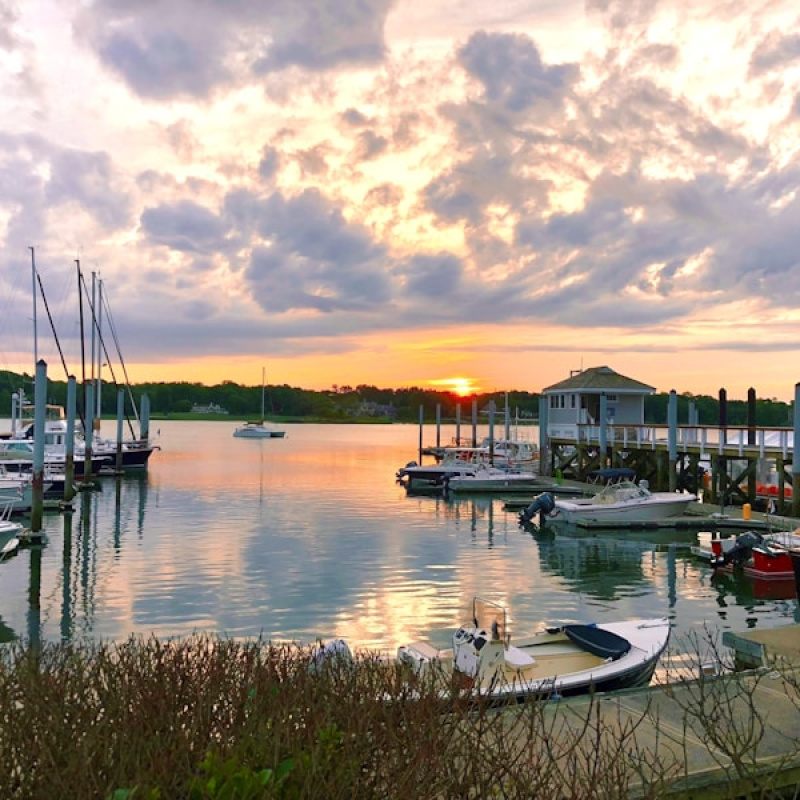 United States
Connecticut, while not a major player, boasts a growing craft beverage scene. Its cool climate favors fruit wines and small-batch whiskeys.
 United States
Minnesota, with its cold climate, produces unique fruit wines using hardy grapes, alongside burgeoning craft whiskey and vodka scenes.
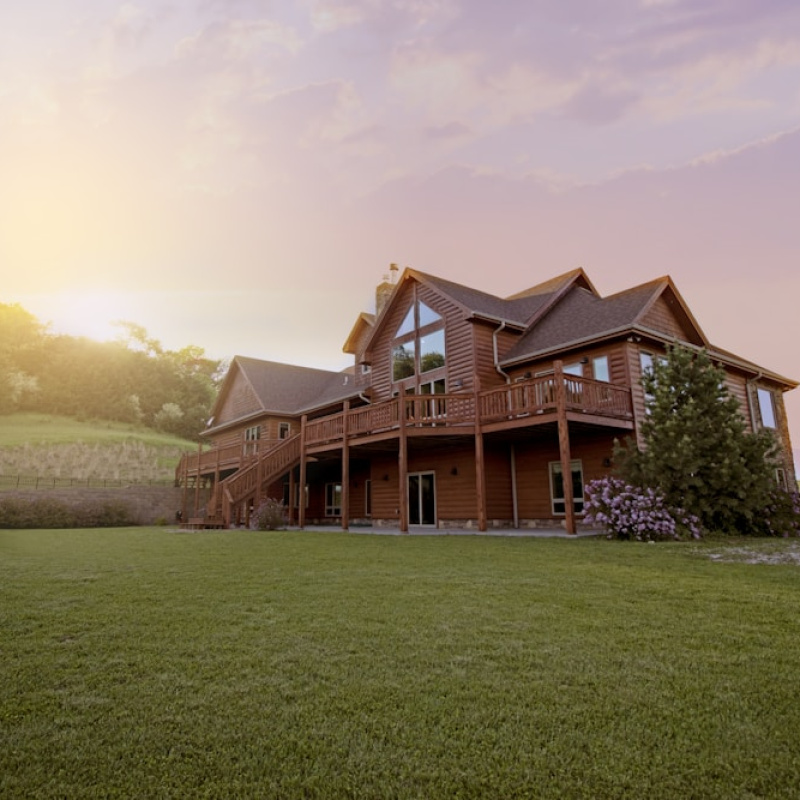 United States
Iowa, while not a traditional wine region, produces corn-based whiskey and some fruit wines.
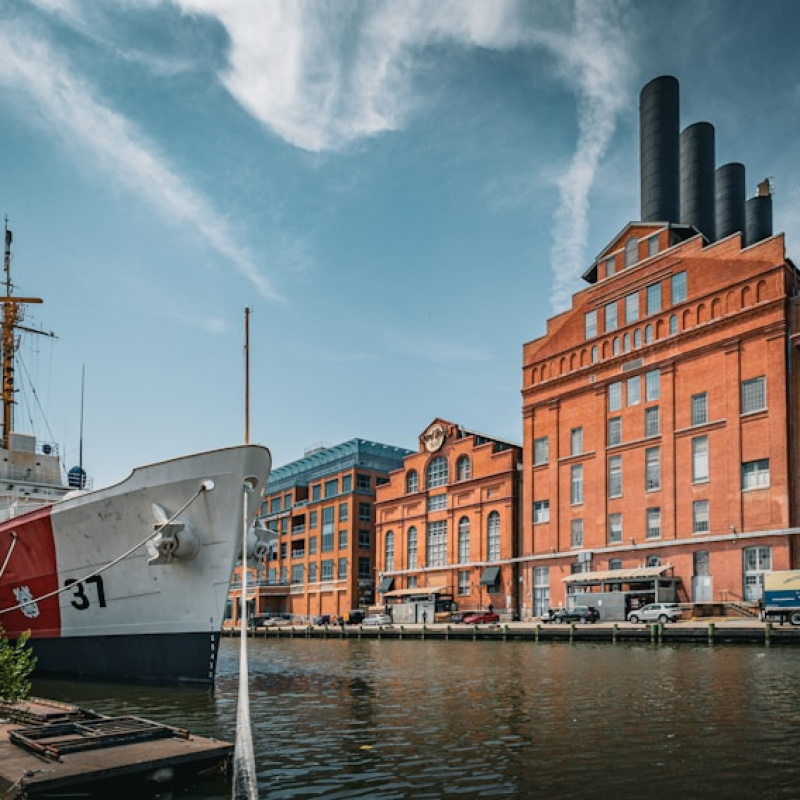 United States
Maryland's spirits tradition features a developing whiskey scene, alongside fruit wines and brandies influenced by its Mid-Atlantic climate.
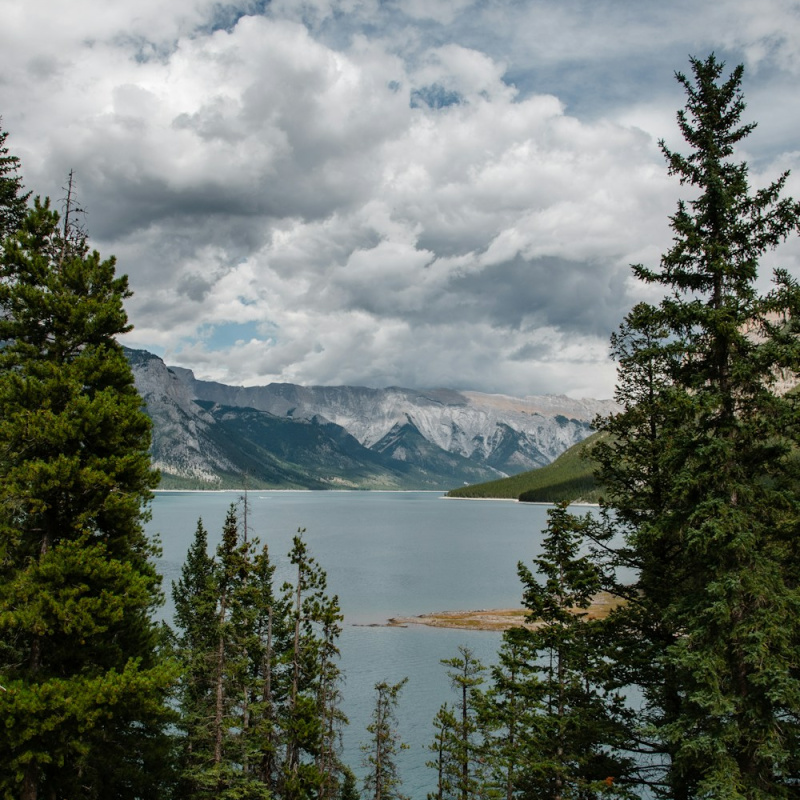
 Canada
Alberta, not traditionally a wine region, boasts a burgeoning craft spirits scene. Whiskeys and vodka, often from locally-sourced grains, are common.
 United States
Florida's humid, subtropical climate fosters unique fruit wines, particularly from citrus, and sugarcane-based rums.
 United States
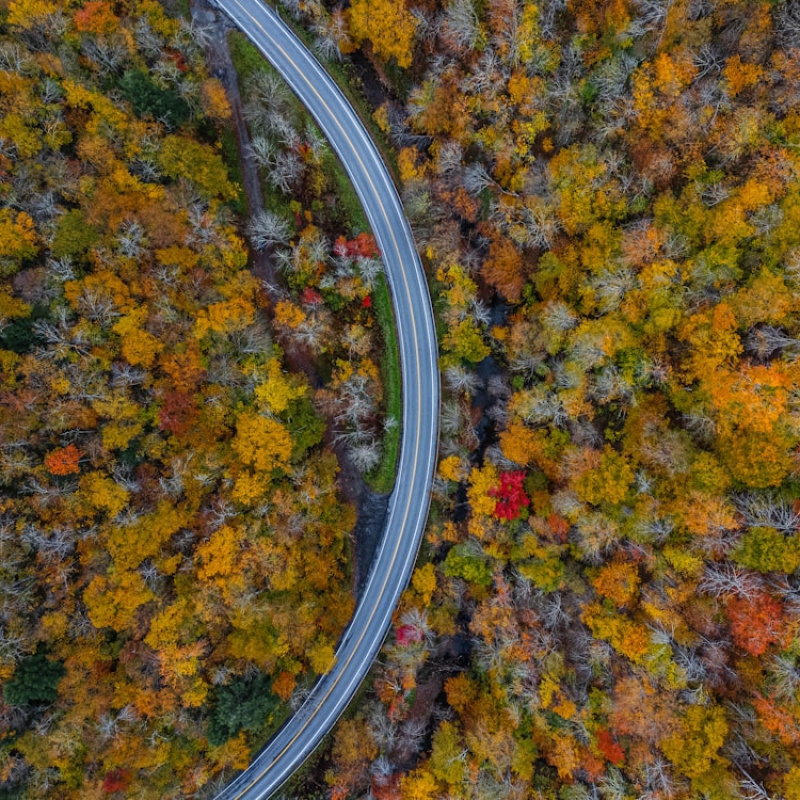
Vermont, a rising star in beverage production, crafts unique fruit wines, ciders, and small-batch spirits, often using locally-sourced maple and apples.
 Luxembourg
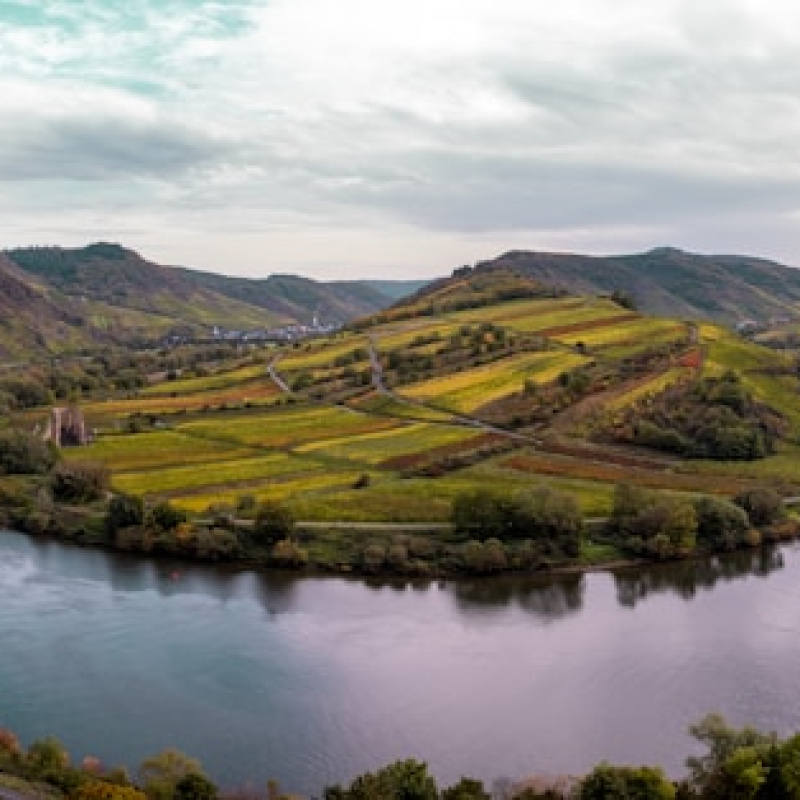
Moselle, primarily a wine region, crafts elegant, fruity white wines from grapes like Riesling, thriving in its cool climate and slate soils.
 France
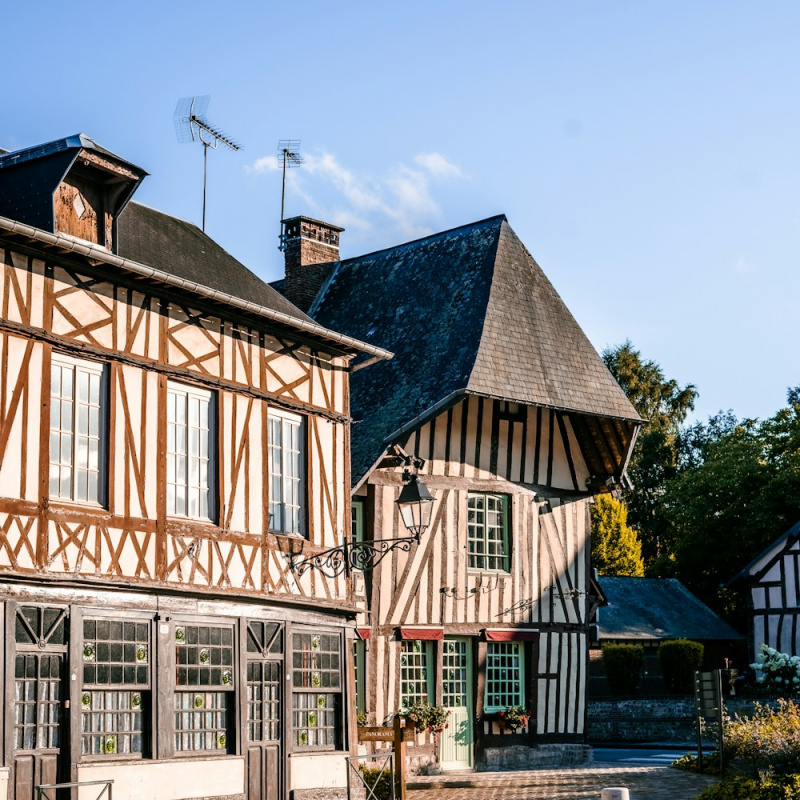
Normandie, renowned for its apples, crafts unique Calvados brandy through double distillation and traditional cider-making methods.
 Canada
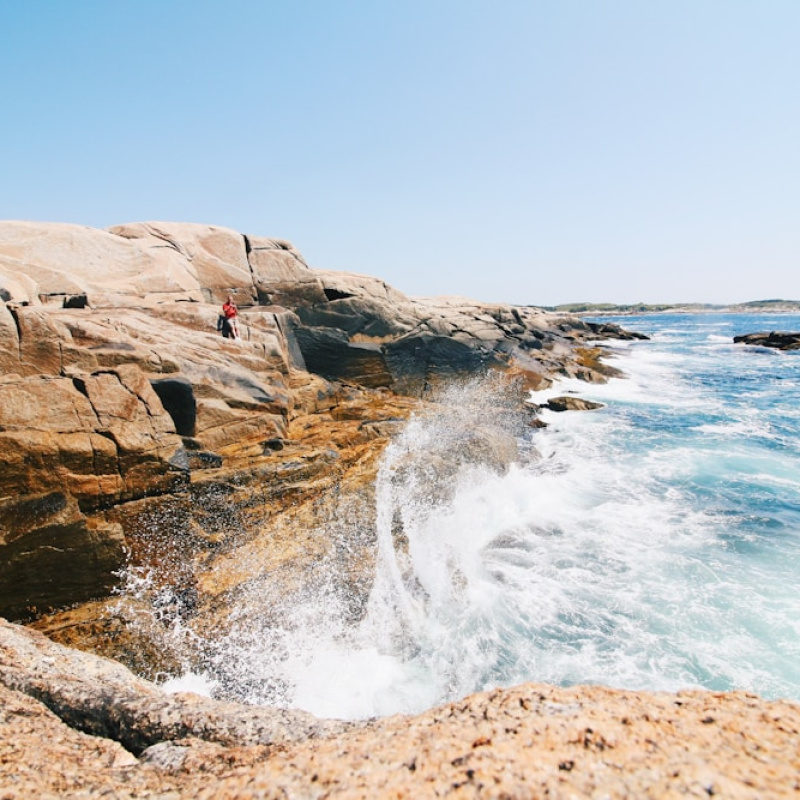
Nova Scotia, with its cool, maritime climate, produces unique wines from hybrid grapes and craft spirits like rum and whisky, reflecting its seafaring history.
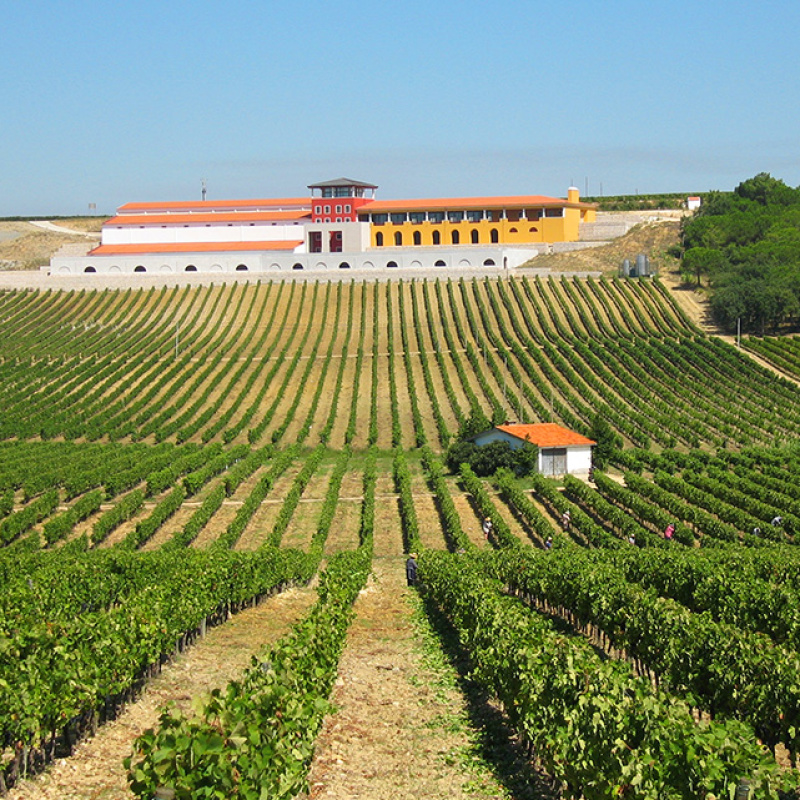 Portugal
Bairrada, Portugal, is renowned for its vibrant red and sparkling wines, particularly from Baga grapes.
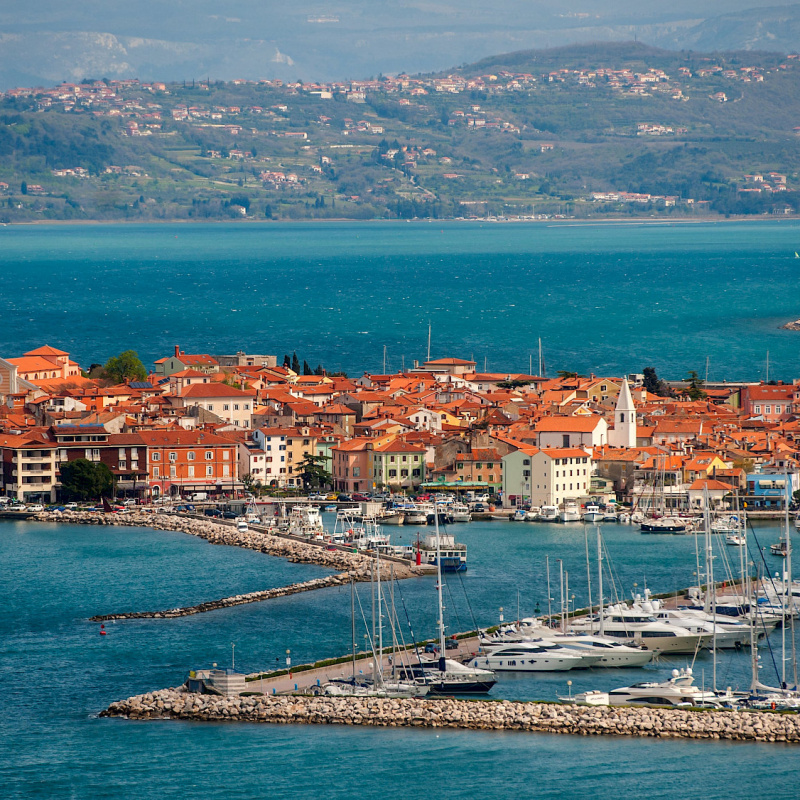
 Slovenia
Primorska, Slovenia's coastal region, crafts robust, often dry, wines from indigenous grapes, influenced by the Mediterranean climate.
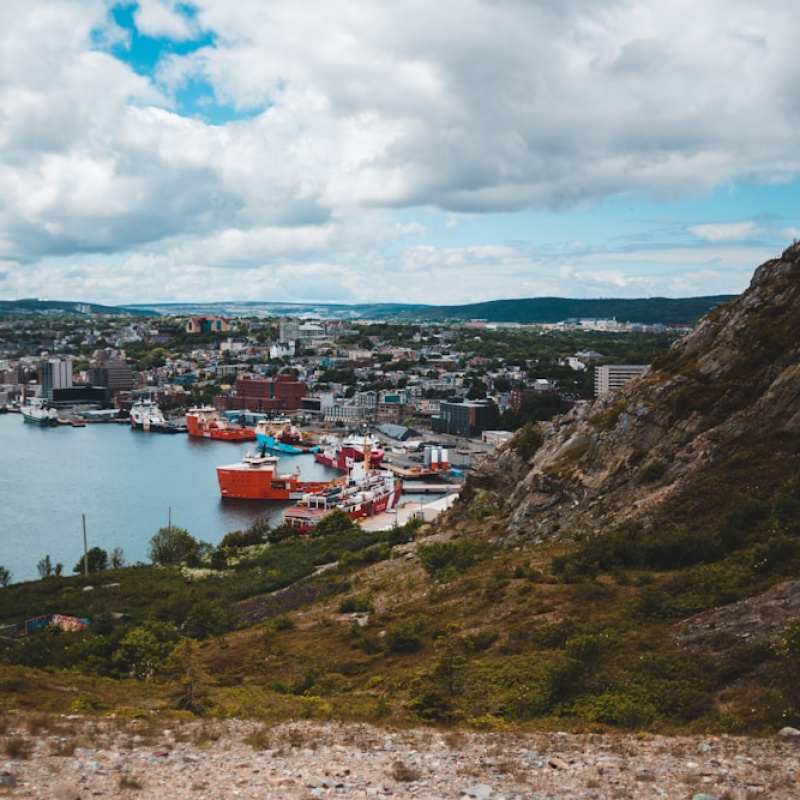 Canada
Newfoundland and Labrador, with its harsh climate, produces limited wines from hardy grapes.
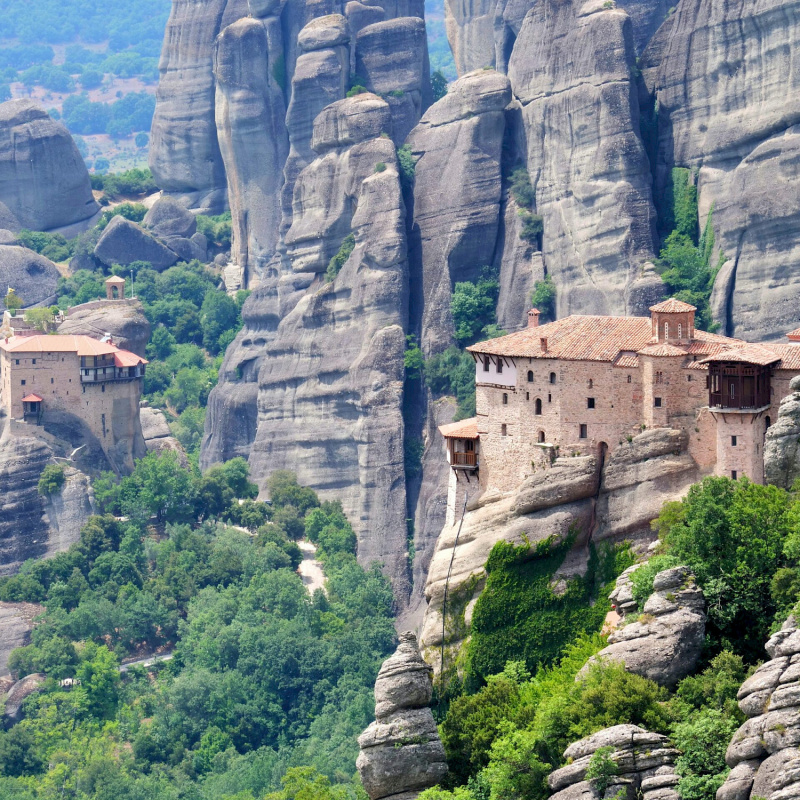 Greece
Thessalia, Greece, produces robust red wines under a warm, continental climate, alongside traditional grape-based spirits like tsipouro, distilled from pomace.
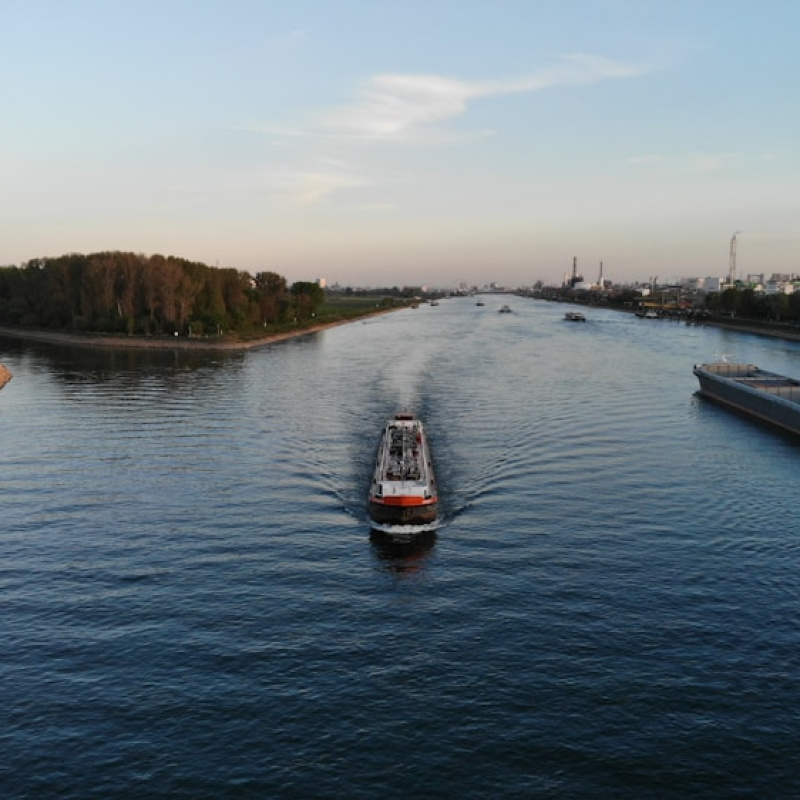 Germany
Rhein, primarily known for its white wines, particularly Riesling, benefits from a cool climate and slate soils.
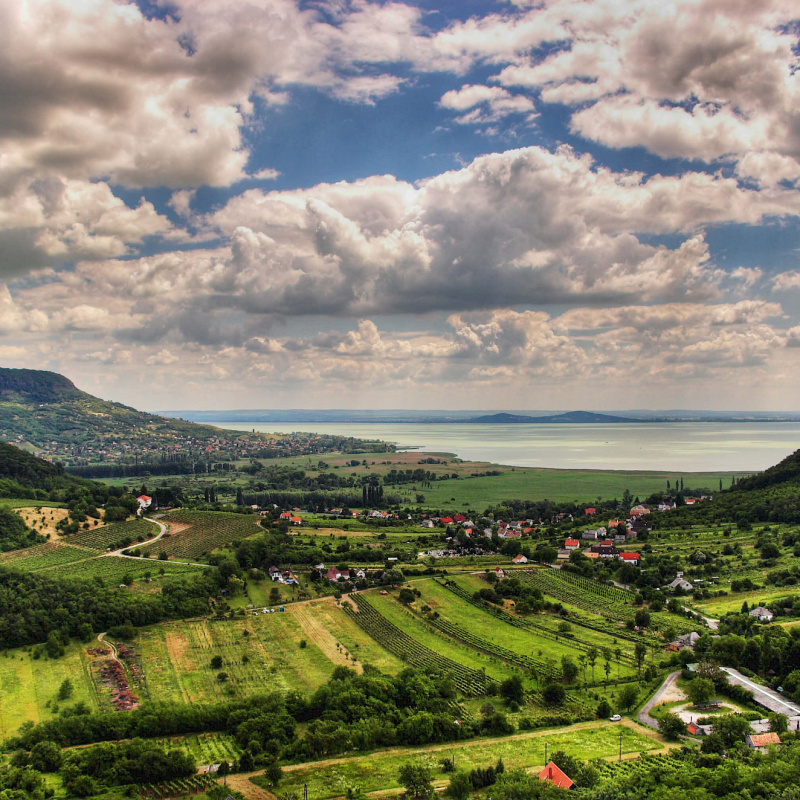
 Hungary
Balaton, Hungary, primarily a wine region, produces elegant whites and light-bodied reds, reflecting its volcanic soils and moderate climate.
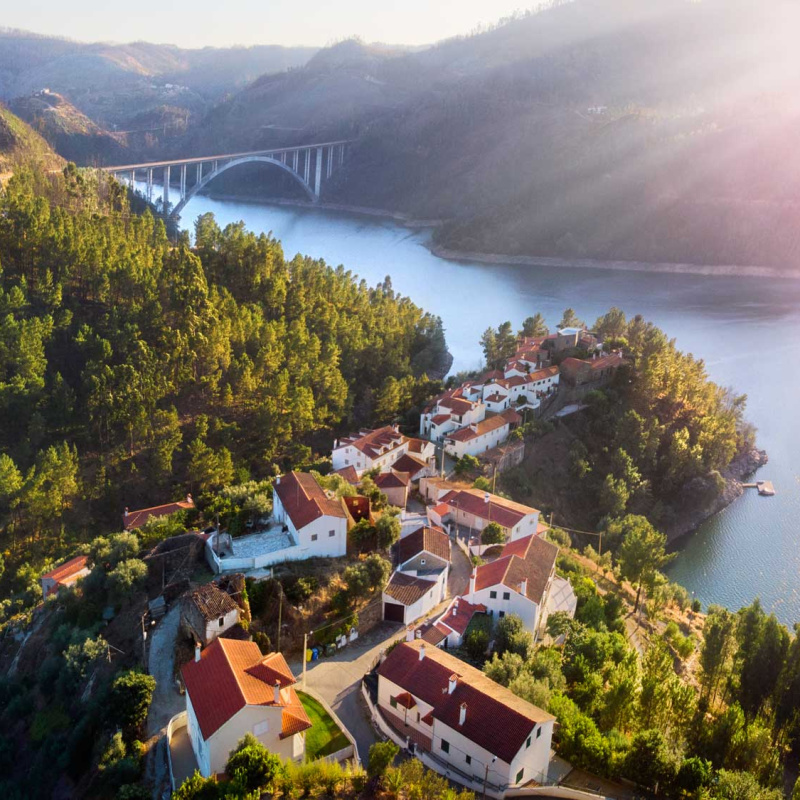 Portugal
Beira Interior, Portugal, crafts robust wines from its hot, dry climate and traditional methods.
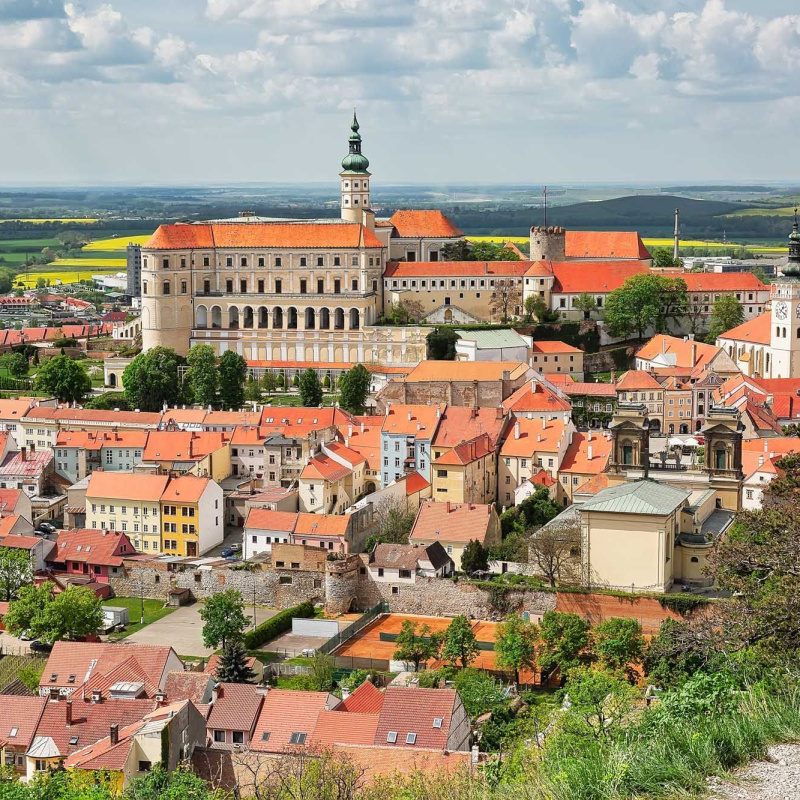
 Czechia
Moravia, a Czech region, excels in fruit brandies (pálenka) from plums and apricots, alongside crisp white wines.
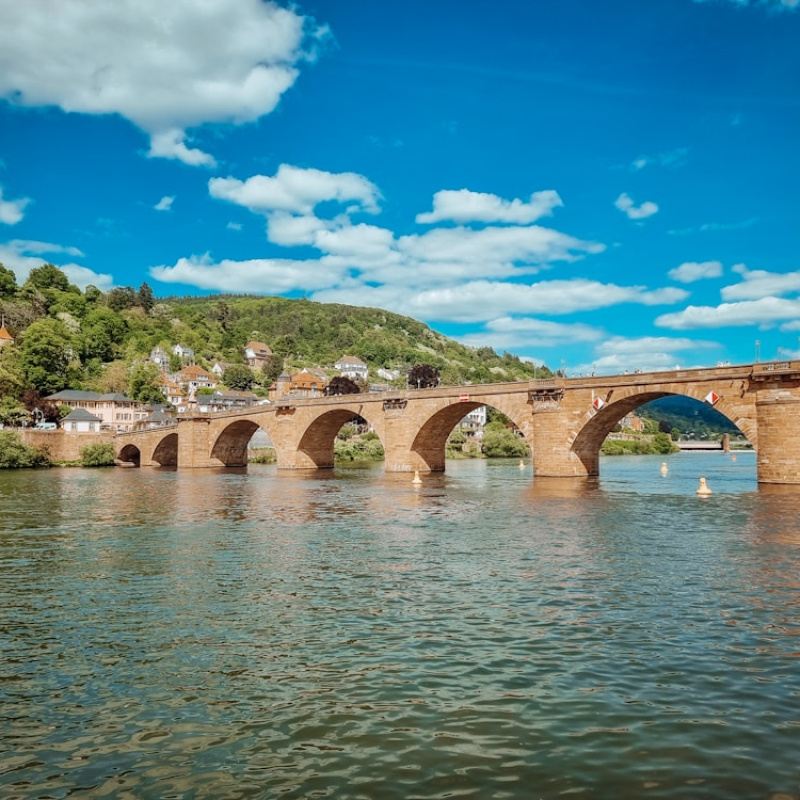 Germany
Neckar, primarily a wine region in southwest Germany, produces crisp, often Riesling-based, white wines.
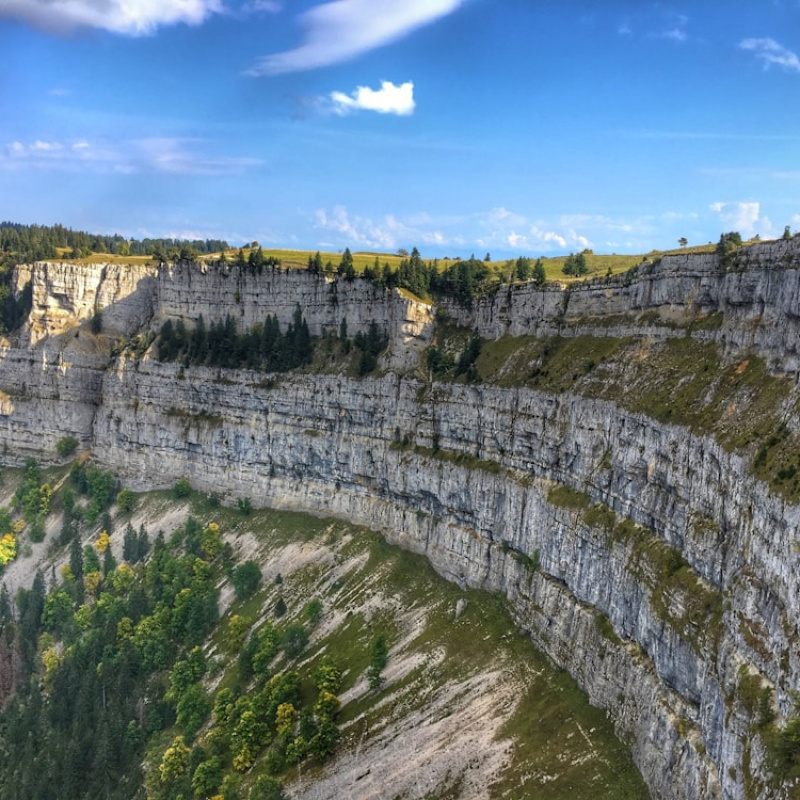
 Bulgaria
The Thracian Valley, Bulgaria, boasts a winemaking legacy rooted in ancient Thracian traditions.
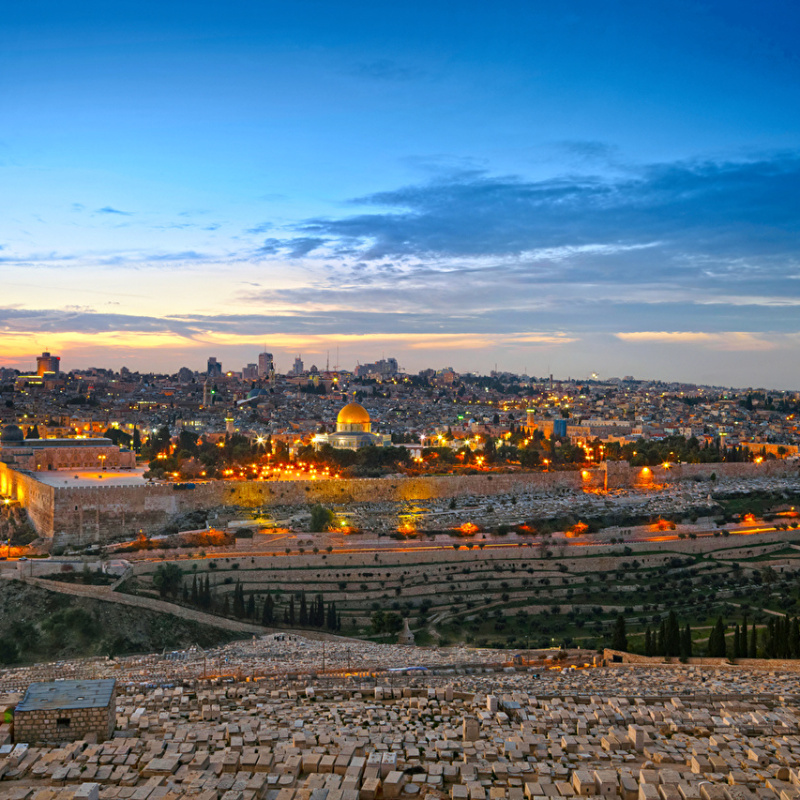
 Israel
Samarie (Shomron), an emerging Israeli region, crafts unique wines reflecting its Mediterranean climate and limestone soils.
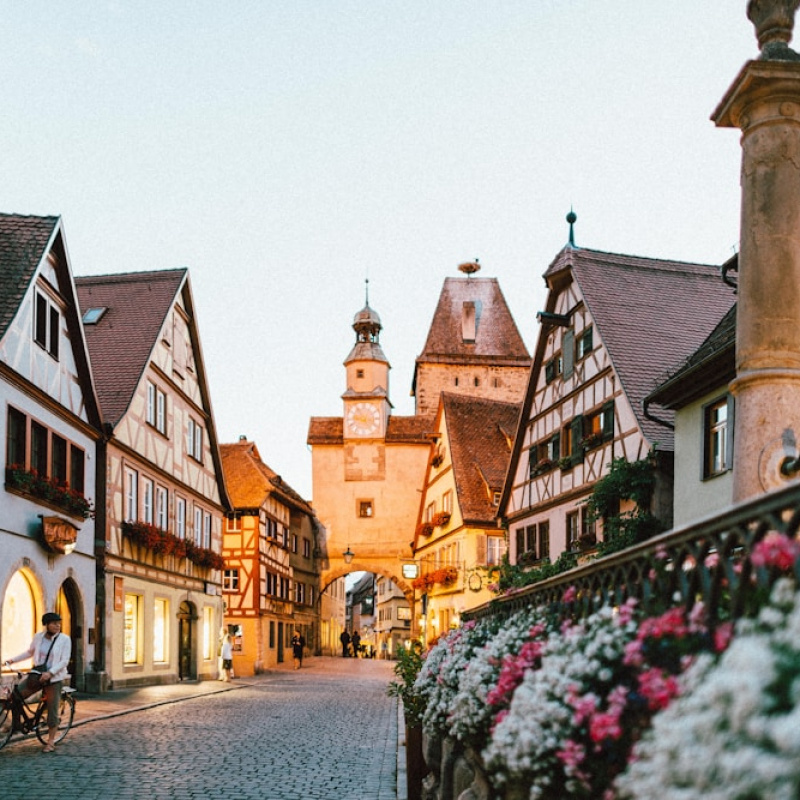
 Uruguay
Rivera, Uruguay, is known for its Tannat-based wines, reflecting its warm, humid climate.
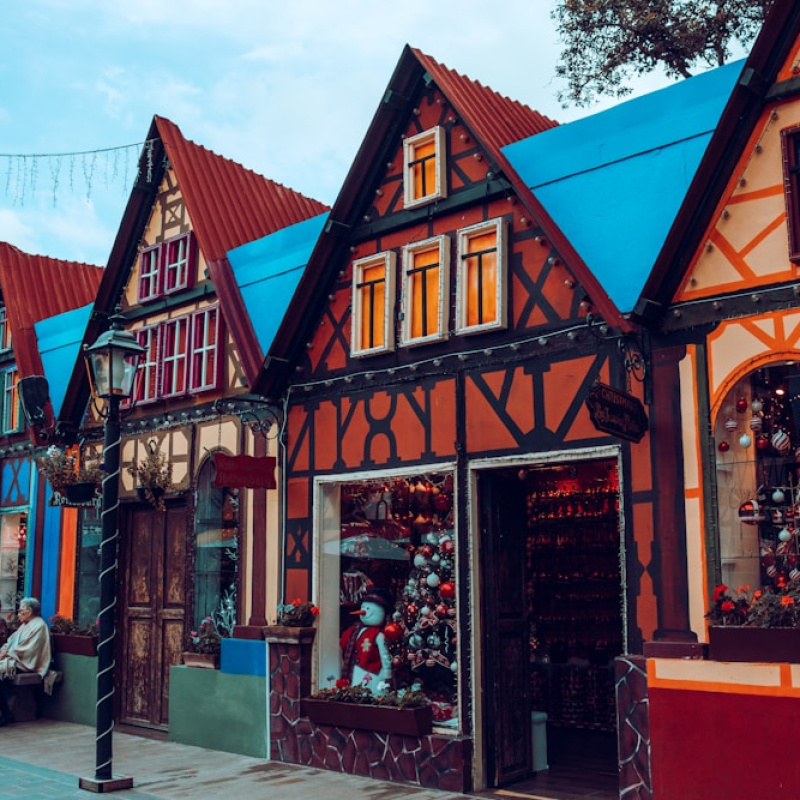
 Mexico
Michoacán, Mexico, boasts a rich tradition of charanda, a unique sugar cane spirit, alongside emerging wines.
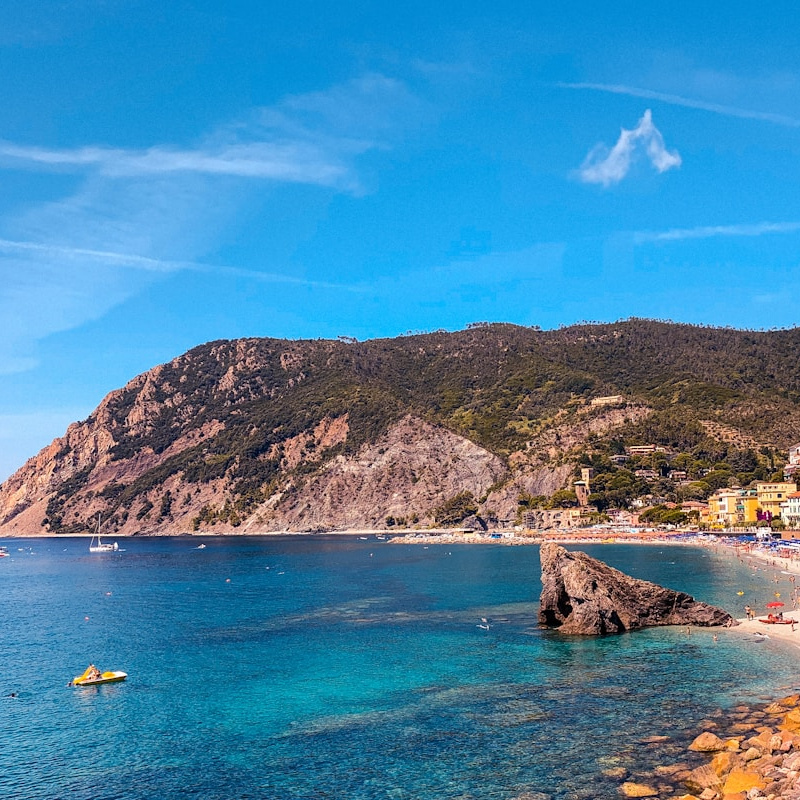
 Romania
Dealu Mare, Romania, crafts predominantly red wines from Fetească Neagră, Cabernet Sauvignon, and Merlot grapes, along with plum brandy (țuică).
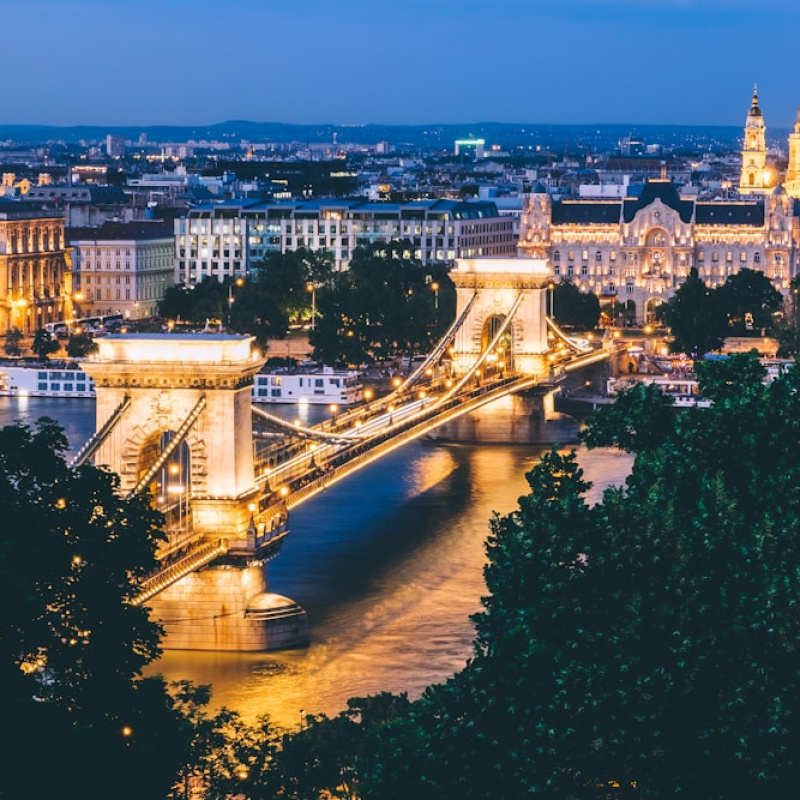 Hungary
Northern Hungary, with its volcanic hills and cool climate, yields elegant white wines like Furmint, and fruit brandies (pálinka), notably from plums and...
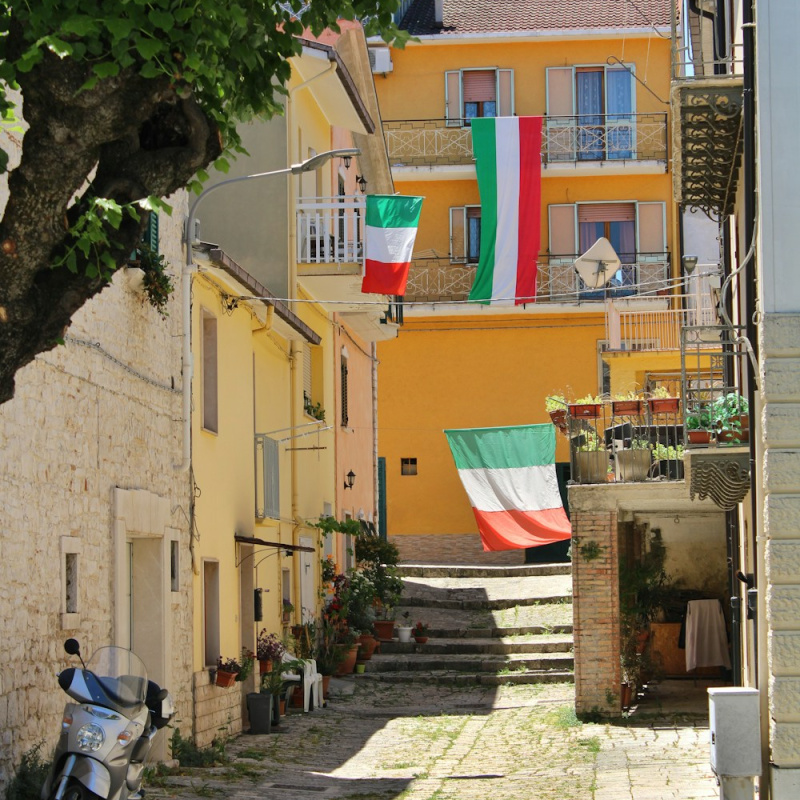 Italy
Italy
Molise, Italy, a small, mountainous region, traditionally produces robust, rustic wines from indigenous grapes like Tintilia.
 United States
Indiana's beverage scene features primarily grain-based spirits like bourbon and rye whiskeys, reflecting its agricultural roots.
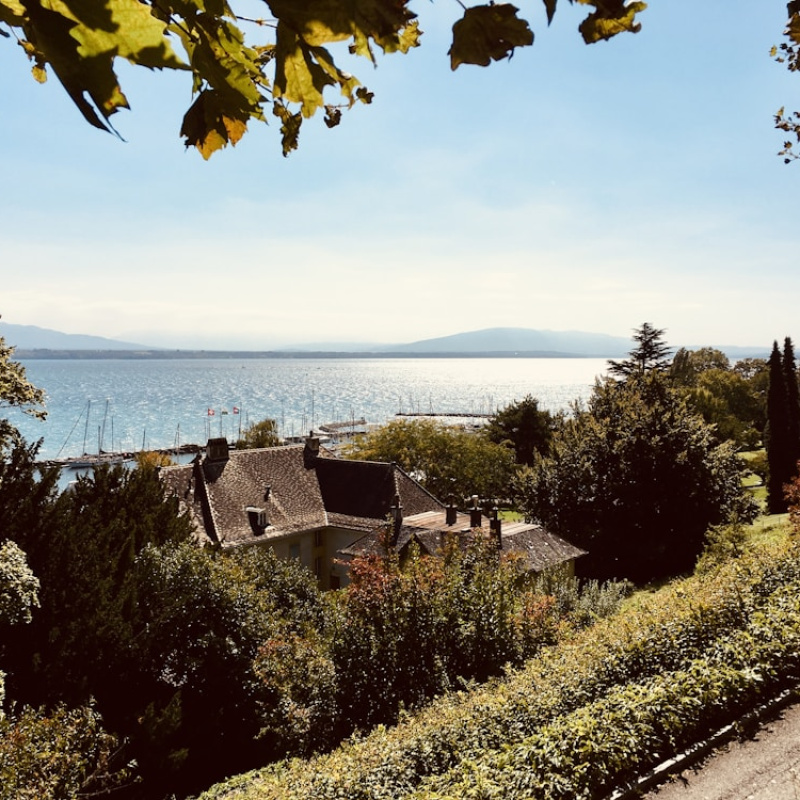 Switzerland
Vaud, Switzerland, is primarily a wine region, renowned for its crisp, dry white Chasselas wines, crafted from hillside vineyards overlooking Lake Geneva.
 United States
Illinois, while not famed for wine or spirits, has a growing craft distilling scene. Historically, some breweries and small wineries existed.
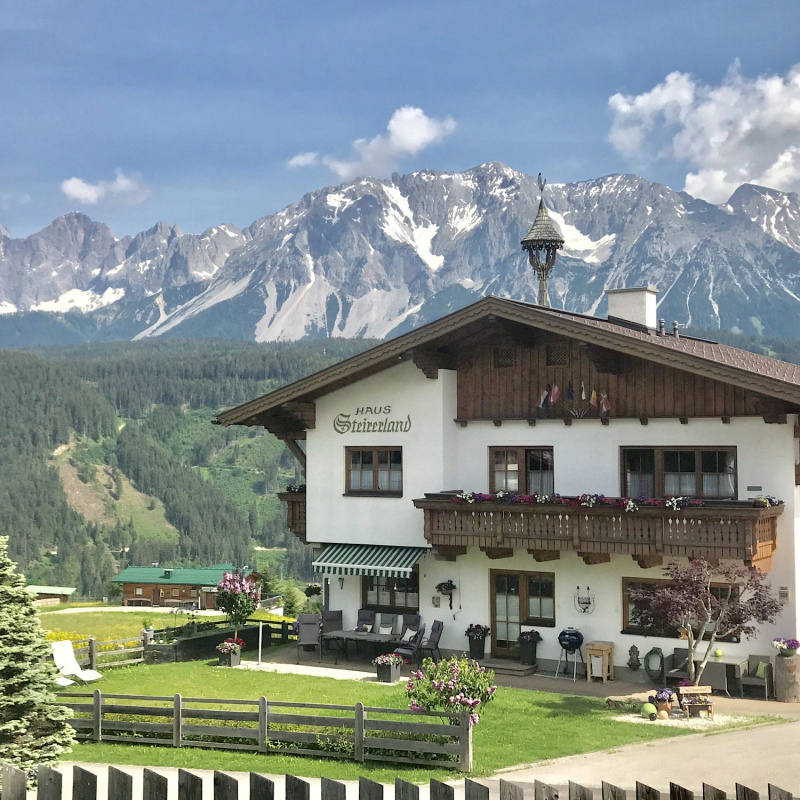
 Austria
Steirerland, Austria, excels in crisp white wines like Schilcher from Blauer Wildbacher grapes and fruit brandies (Obstler), influenced by its cool, continental climate.

Required for basic site functionality such as security and session handling. Always active.
Enable enhanced functionality such as remembering your preferences.
Help us understand how visitors interact with the website.
Content from video platforms and map services is blocked until you consent.
This content is provided by an external service. It loads only after you allow the “{category}” category.