 France
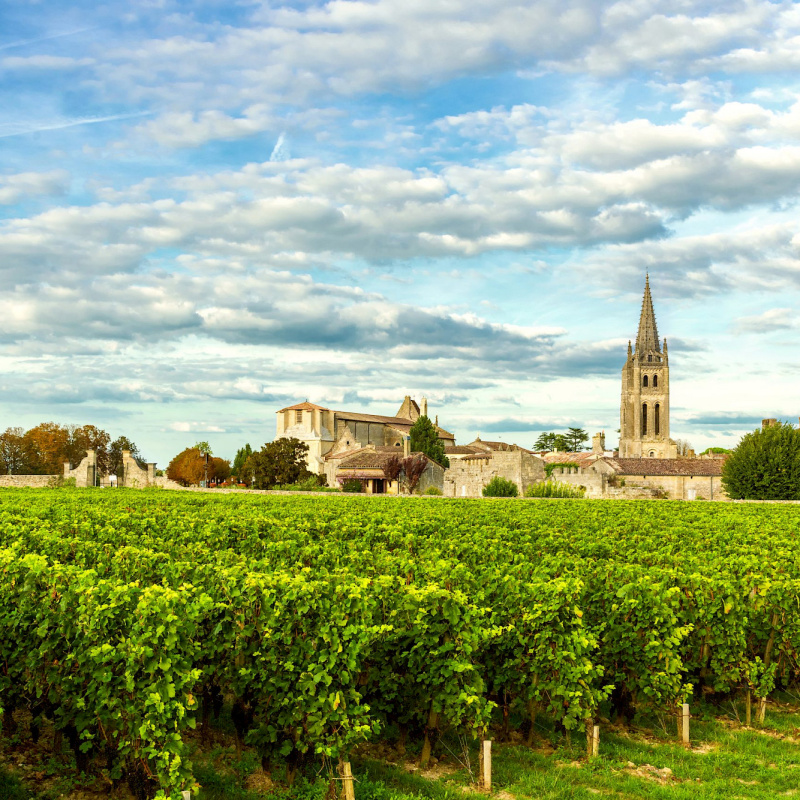
Bordeaux
Bordeaux, famed for its world-class red wines, also produces some white and sweet wines.
 LQRS
LQRS
Discover
Explore drinks by category, producer, origin, taste, and the places that shape them.
Sense of place
Showing 60 of 224
France
Bordeaux, famed for its world-class red wines, also produces some white and sweet wines.
 France
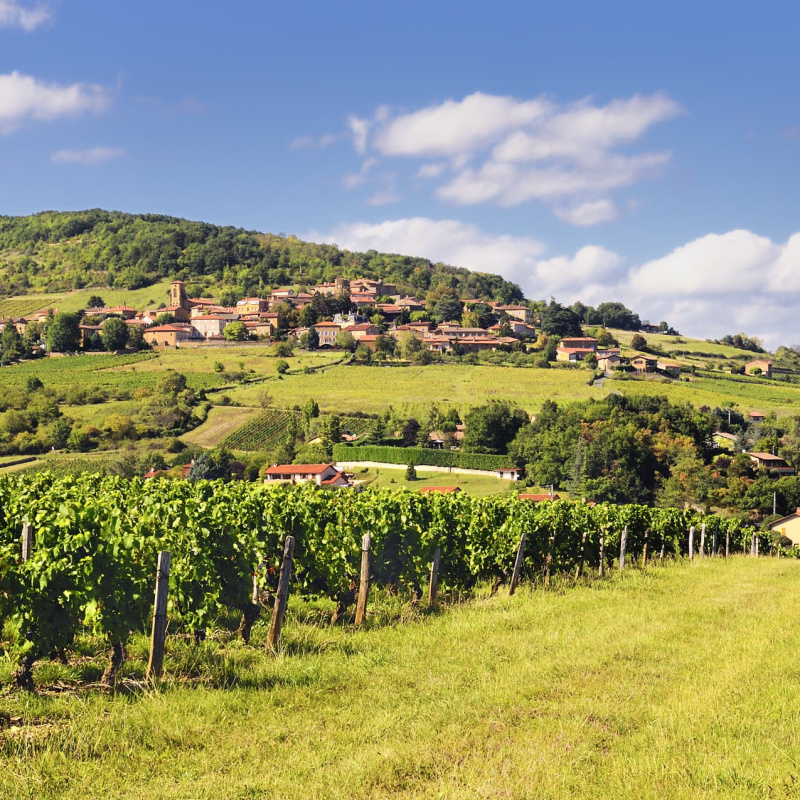
Beaujolais, famed for its light-bodied Gamay wines, employs carbonic maceration, yielding fruity, approachable reds.
 France
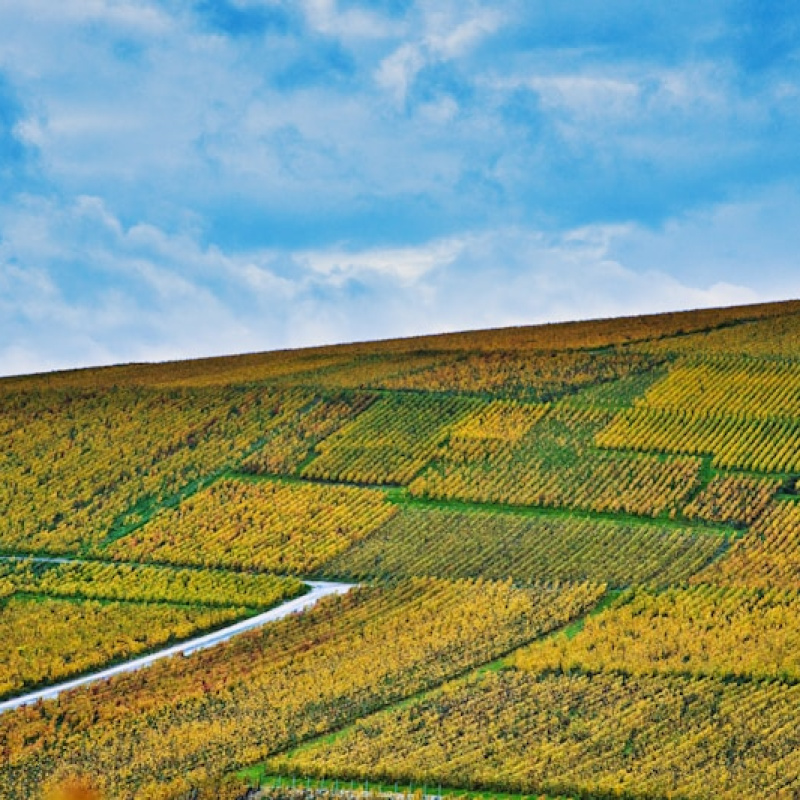
Champagne, a region in France, is renowned for its sparkling wine, also called Champagne, produced via a unique, secondary fermentation method in the bottle.
 France
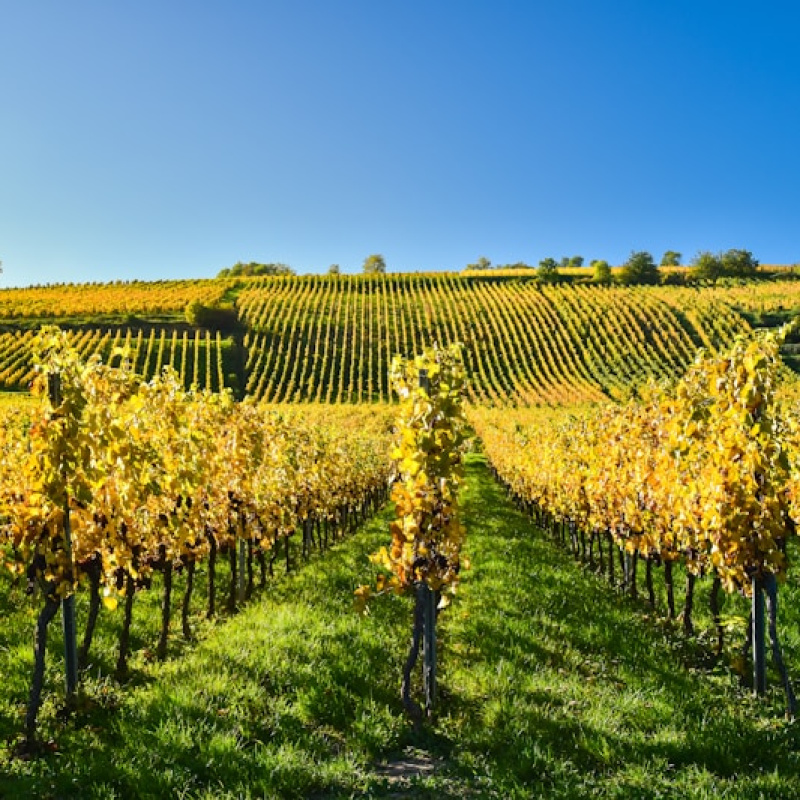
Alsace, famed for its aromatic white wines like Riesling and Gewürztraminer, also boasts eaux-de-vie, potent fruit brandies distilled from local fruits.
 France
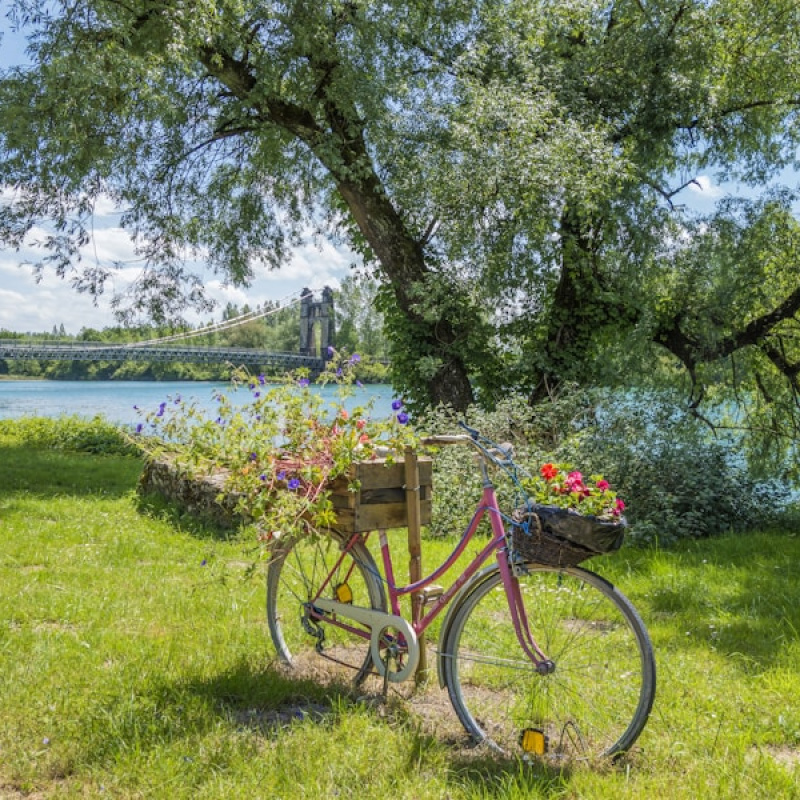
Rhône, primarily famed for its wines, boasts a rich viticultural history. Its warm climate yields robust reds, particularly Syrah, Grenache, and Mourvèdre blends.
 France
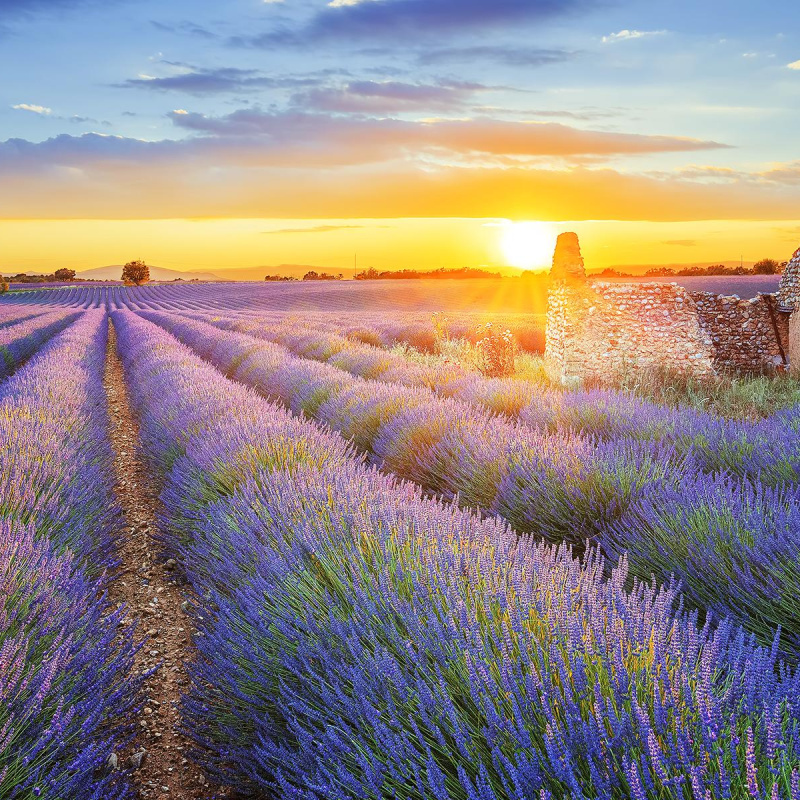
Provence, renowned for its rosé wines, also produces pastis, an anise-flavored spirit, reflecting its Mediterranean climate.
 France
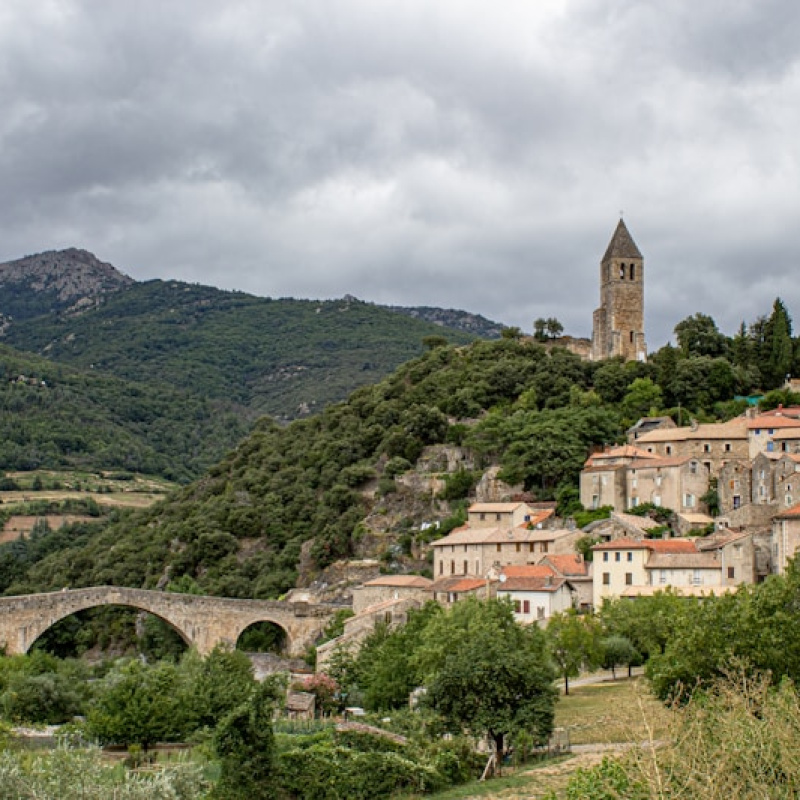
Languedoc-Roussillon, a sun-drenched region, is famed for its diverse wines, from robust reds to crisp whites, often utilizing ancient grape varietals.
 France
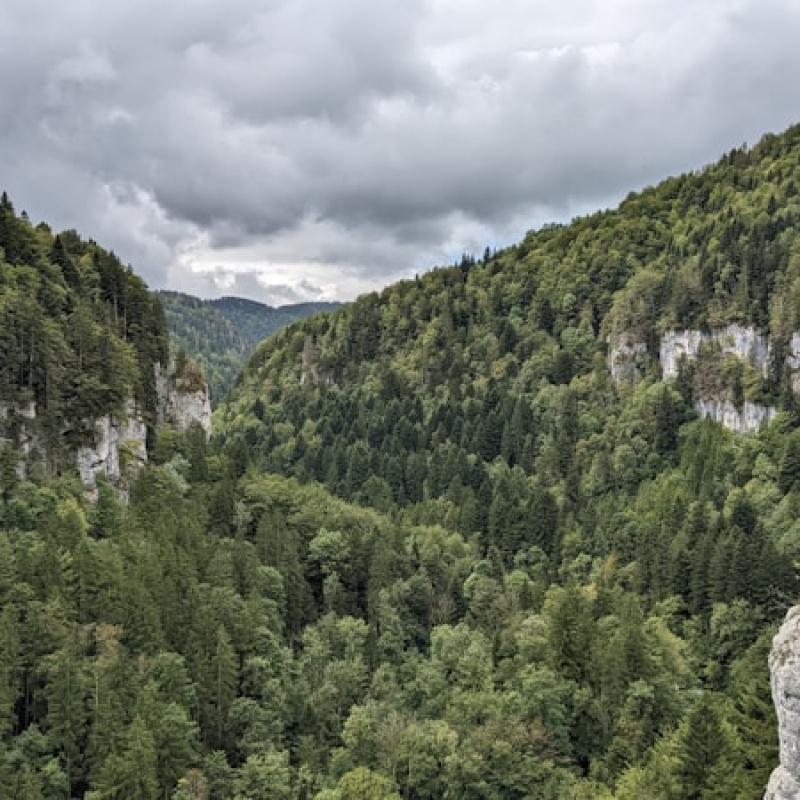
Jura, nestled in eastern France, produces unique wines like Vin Jaune, aged under flor yeast, and straw wine.
 Italy
Italy
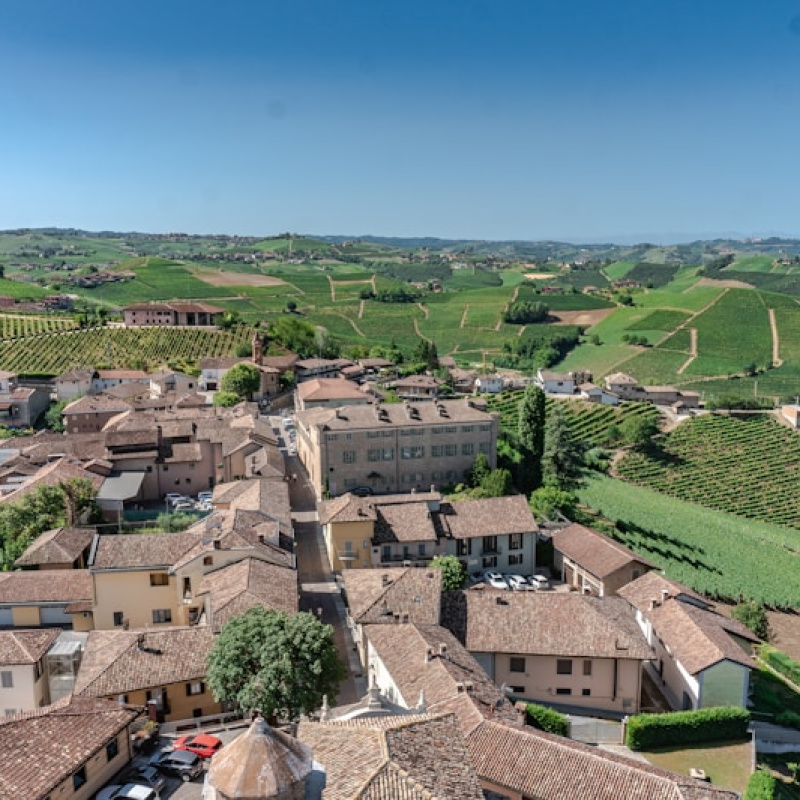
Piedmont, Italy, renowned for its Nebbiolo-based Barolo and Barbaresco wines, also produces Grappa from pomace.
 Italy
Italy
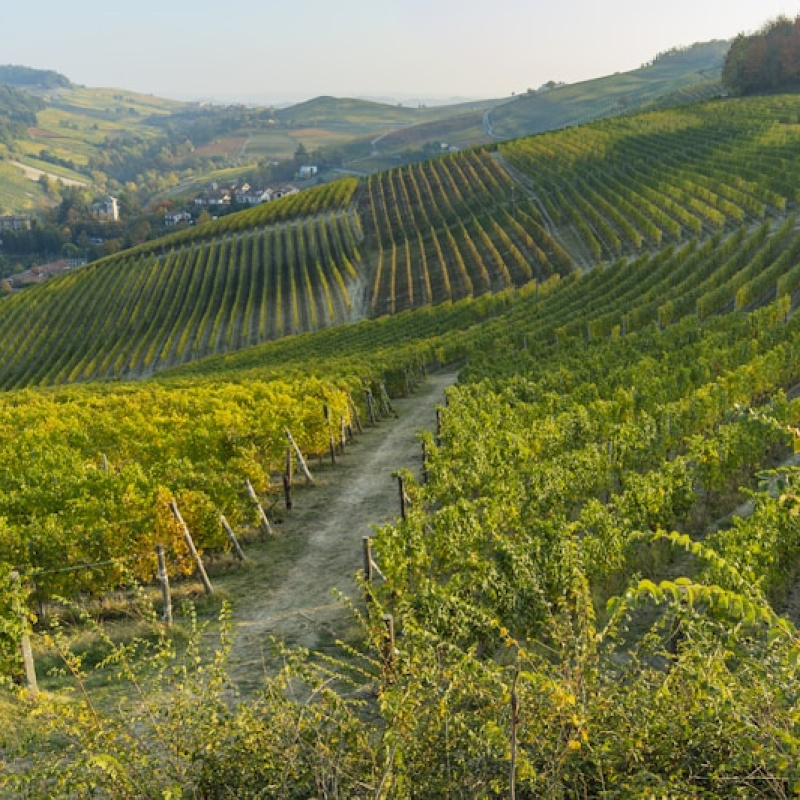
Barolo, in Italy's Piedmont, is renowned for its powerful, age-worthy red wine made from Nebbiolo grapes.
 Italy
Italy
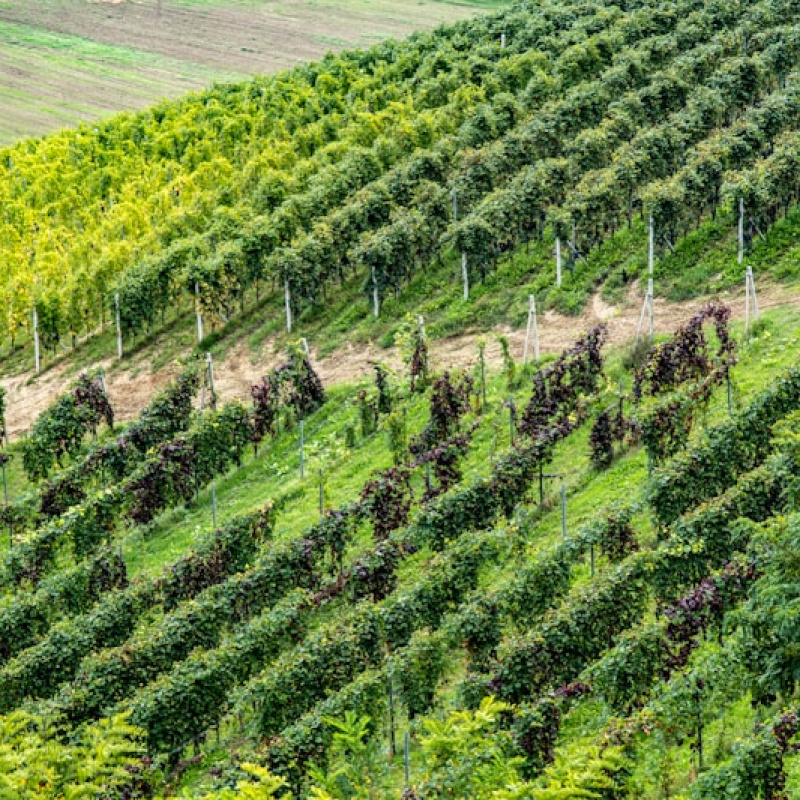
Barbaresco, in Italy's Piedmont, exclusively produces red wine, primarily from Nebbiolo grapes.
 Italy
Italy
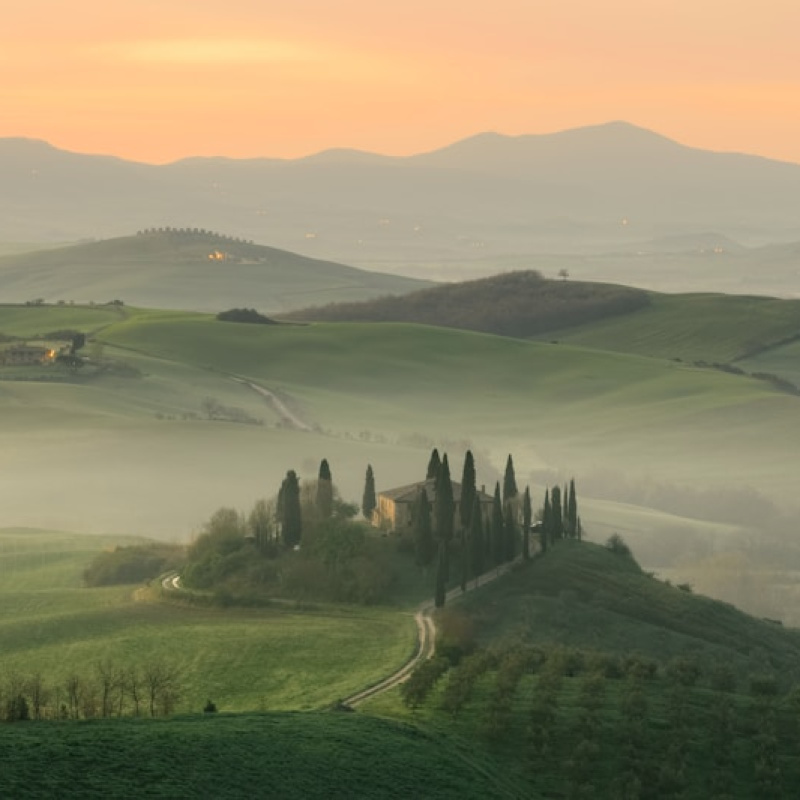
Tuscany, renowned for its robust Chianti and Sangiovese-based wines, boasts a history steeped in viticulture.
 Italy
Italy
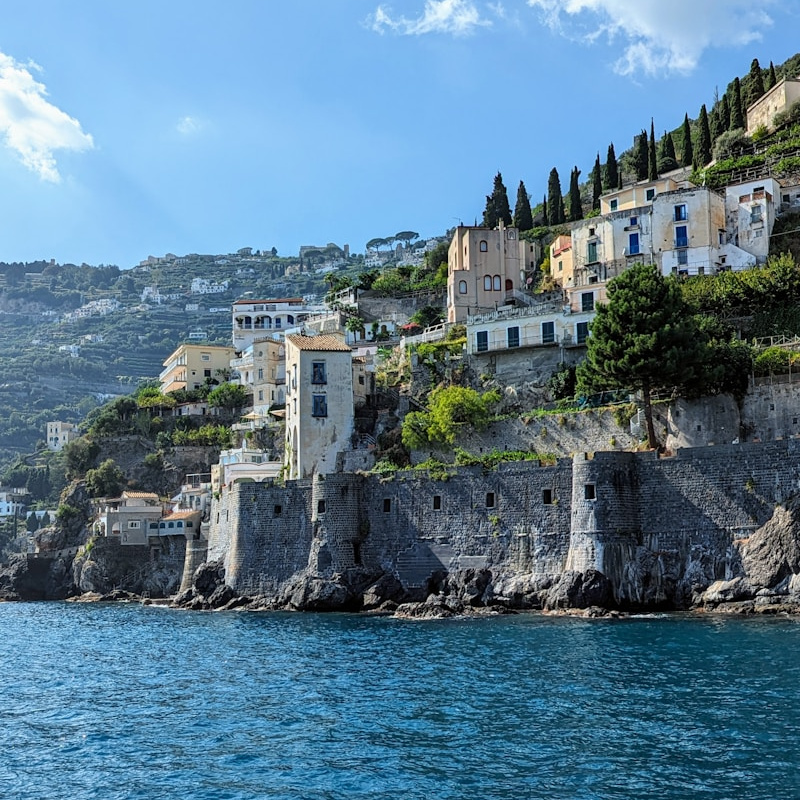
Campania, Italy, crafts full-bodied Aglianico wines from volcanic slopes, alongside aromatic Falanghina whites.
 Italy
Italy
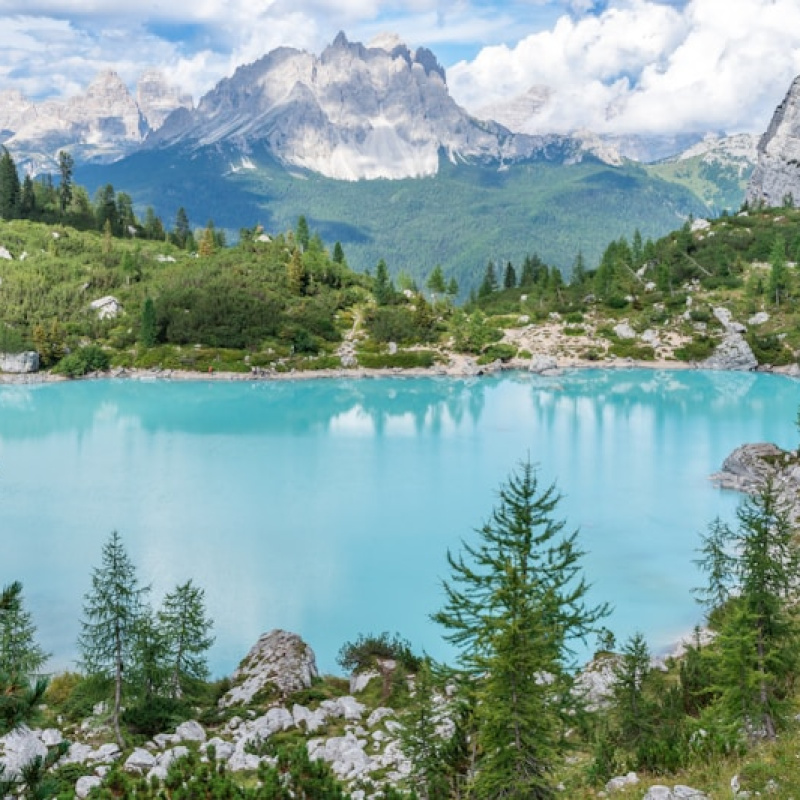
Veneto, famed for its Prosecco, also produces grappa and complex Amarone wines. Its diverse climate, from alpine to Adriatic, shapes these distinct offerings.
 Italy
Italy
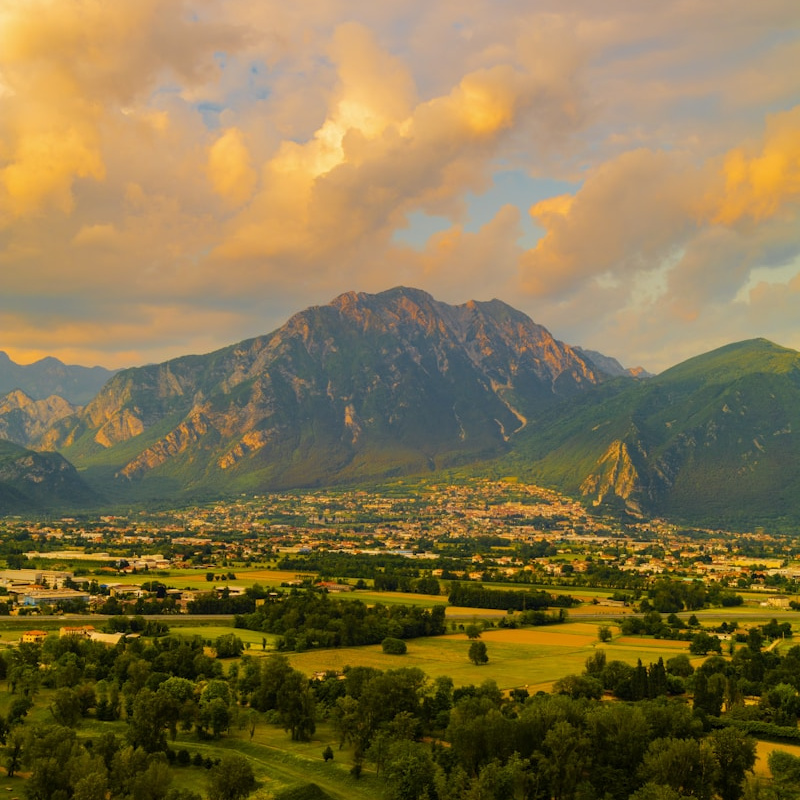
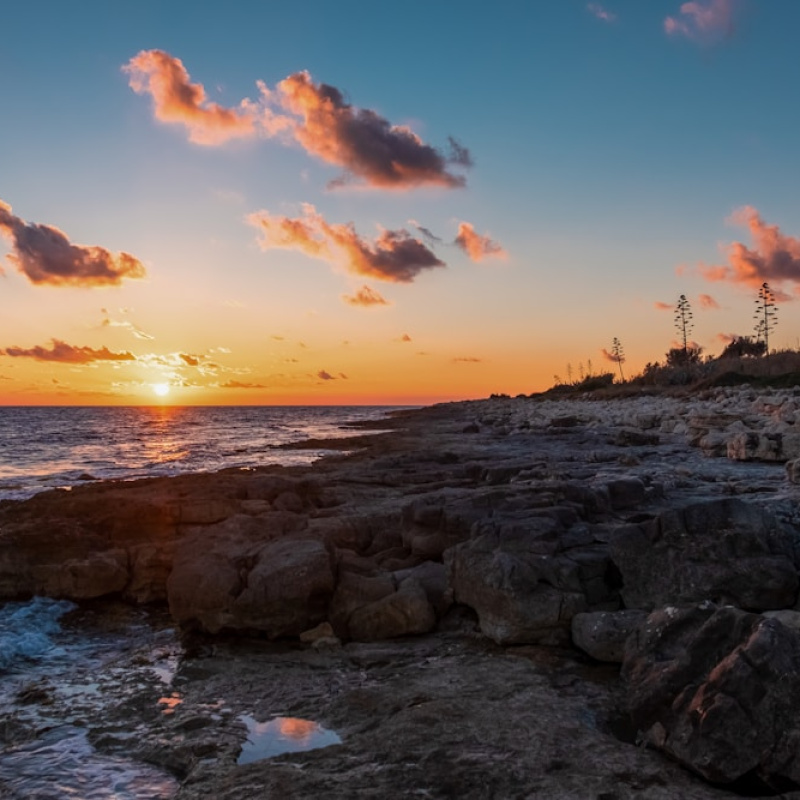
Friuli-Venezia Giulia, nestled in Italy's northeast, crafts distinctive wines, notably crisp whites from native grapes, and grappa.
 Italy
Italy
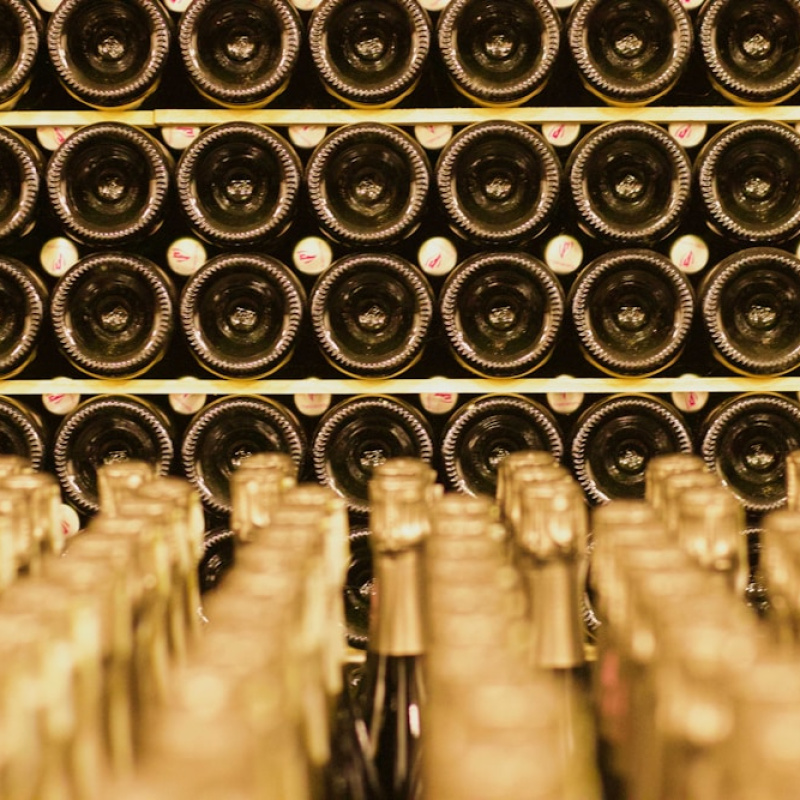
Sicily, bathed in Mediterranean sun, crafts robust, volcanic wines from indigenous grapes like Nero d'Avola and Frappato.
 Italy
Italy
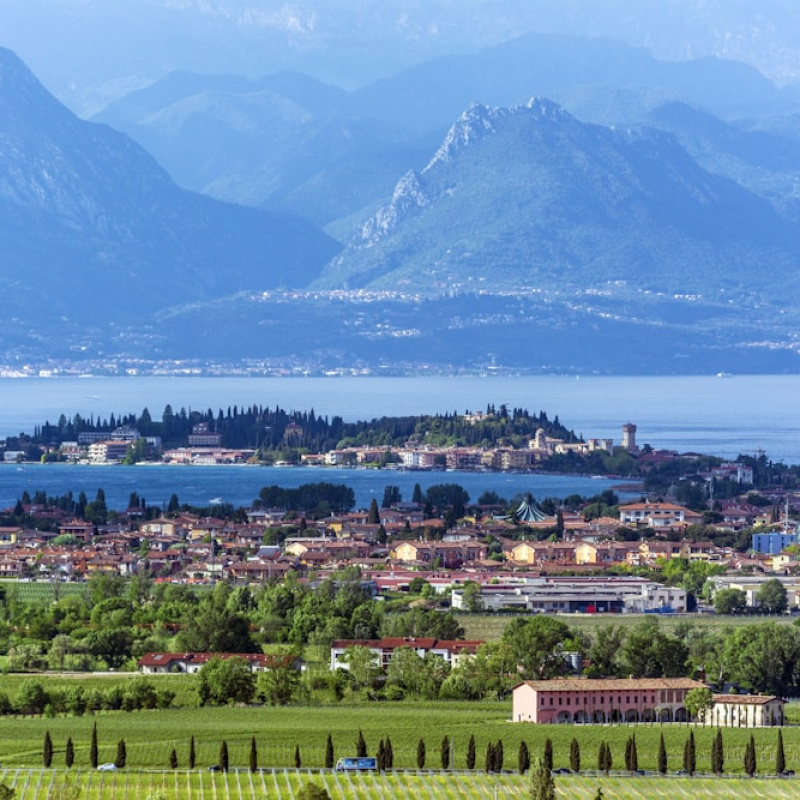
Franciacorta, in Italy, is renowned for its prestigious sparkling wine crafted using the traditional method, similar to Champagne.
 Italy
Italy
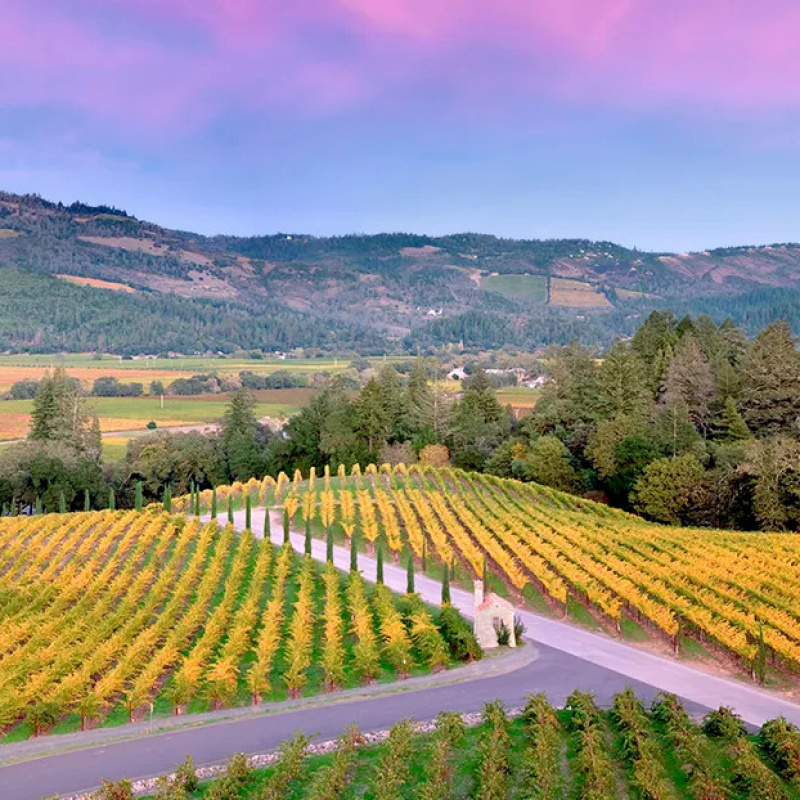
Lugana, primarily a wine region in Northern Italy, centers on the white Trebbiano di Lugana grape.
 United States
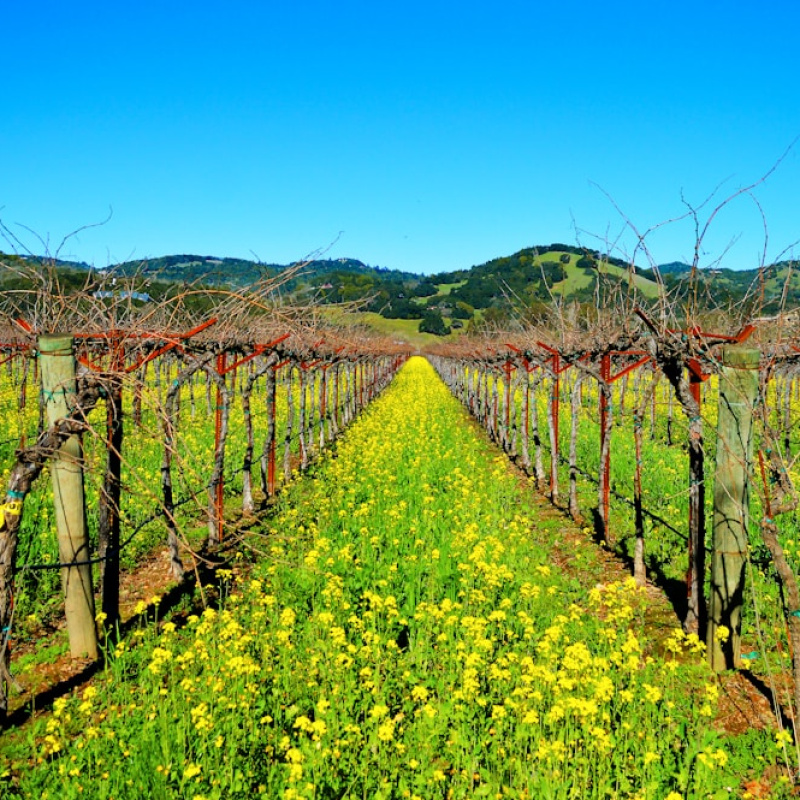
Napa Valley, renowned for its exceptional wines, particularly Cabernet Sauvignon, boasts a Mediterranean climate ideal for viticulture.
 United States
Sonoma Valley, famed for its world-class wines, also boasts small-batch brandy and grappa production.
 United States
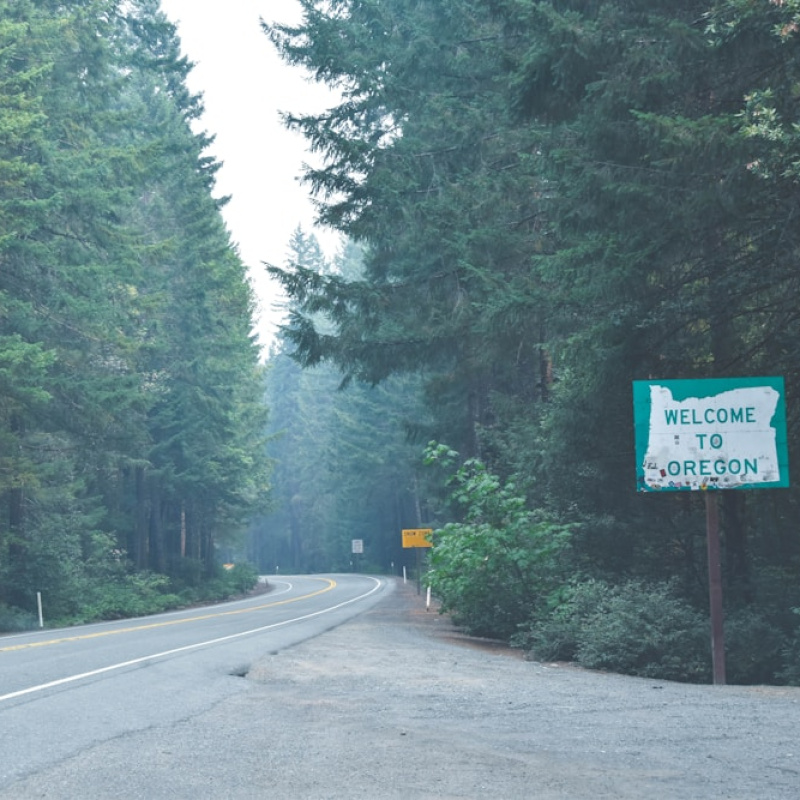
Oregon, famed for Pinot Noir, also crafts distinctive whiskies, brandies, and fruit liqueurs.
 Spain
Spain
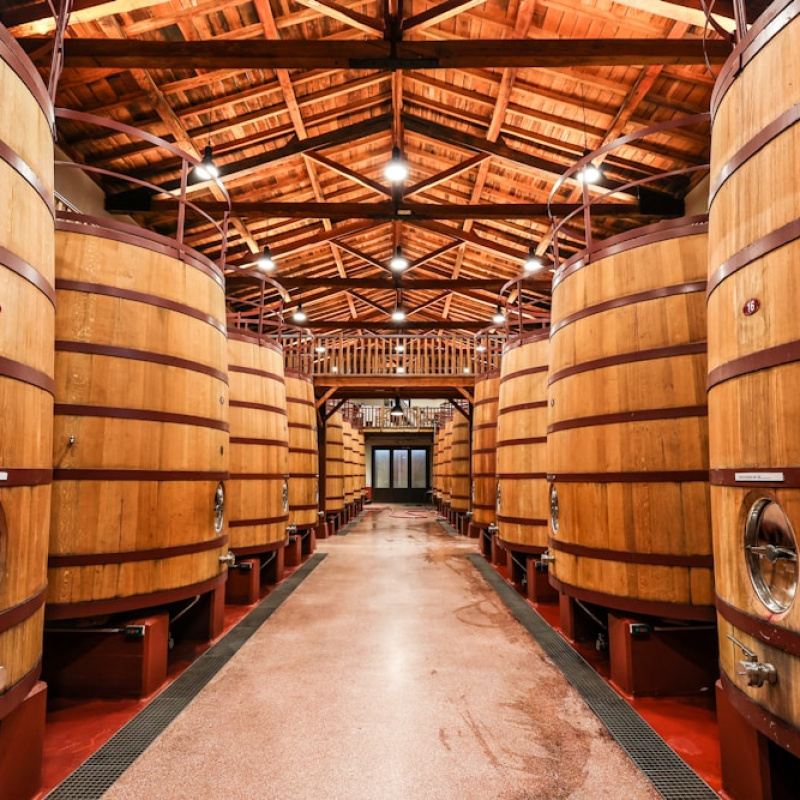
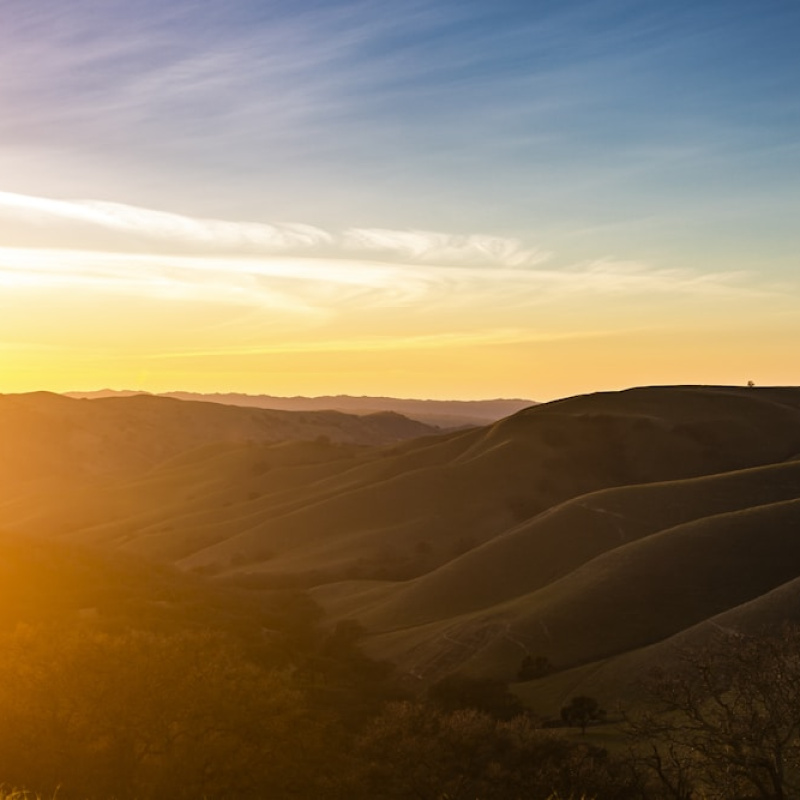
Rioja, famed for its red wine, crafts mainly Tempranillo-based blends with oak aging. The region's continental climate yields concentrated flavors.
 Spain
Spain
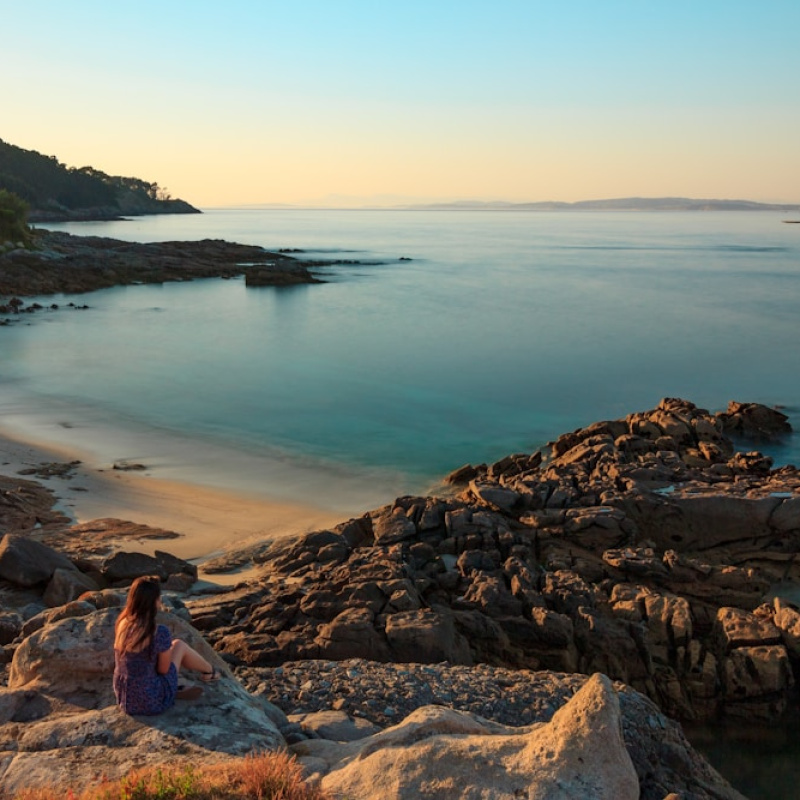
Ribera del Duero, Spain, primarily produces robust red wines using Tempranillo, shaped by its continental climate and high altitude.
 Spain
Spain
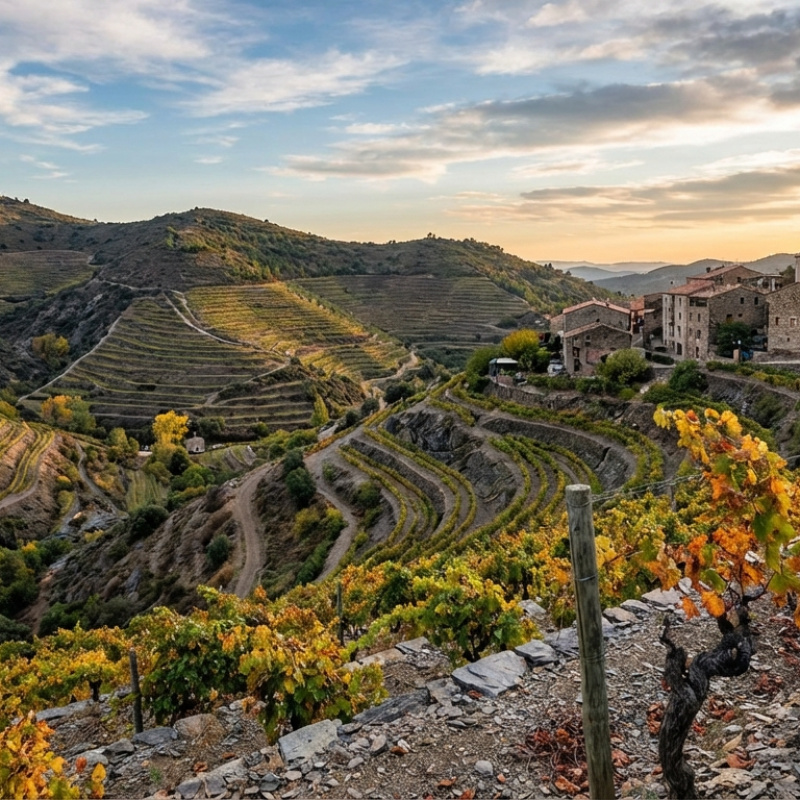
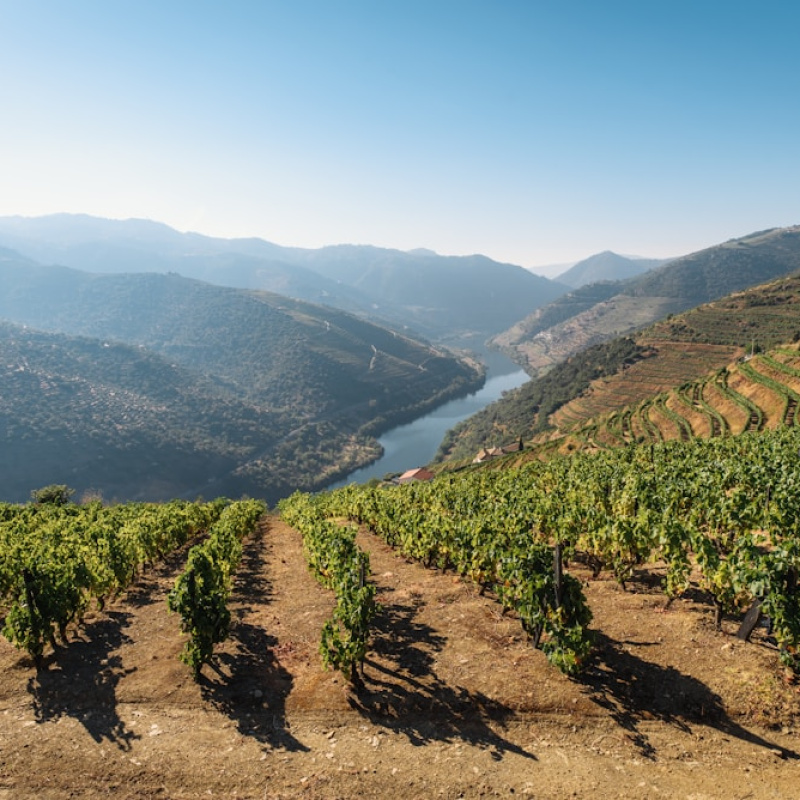
Rías Baixas, in northwest Spain, is renowned for its crisp, aromatic Albariño wines, shaped by a cool, maritime climate.
 Spain
Spain
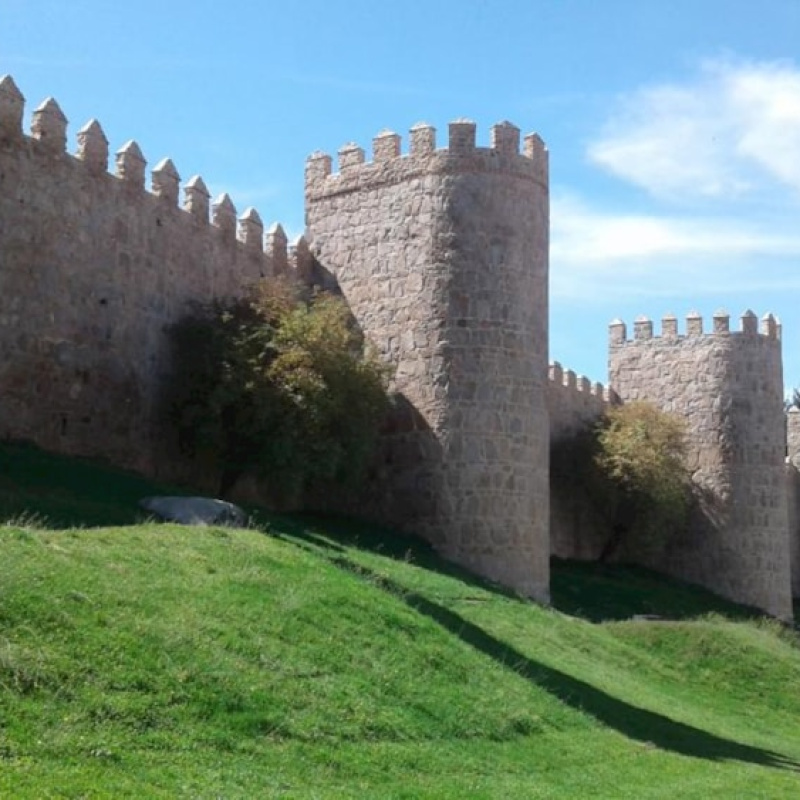
Castilla y León, primarily known for robust red wines from Ribera del Duero and Toro, also produces traditional orujo (pomace brandy).
 Spain
Spain
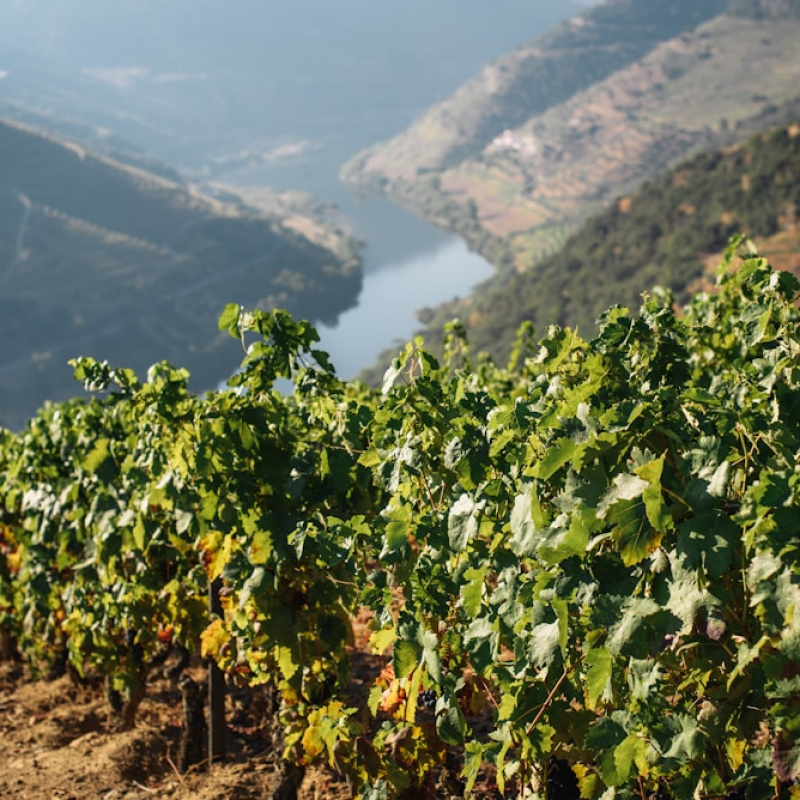
Toro, Spain, is renowned for its powerful, full-bodied red wines, primarily from Tinta de Toro (Tempranillo).
 Spain
Spain
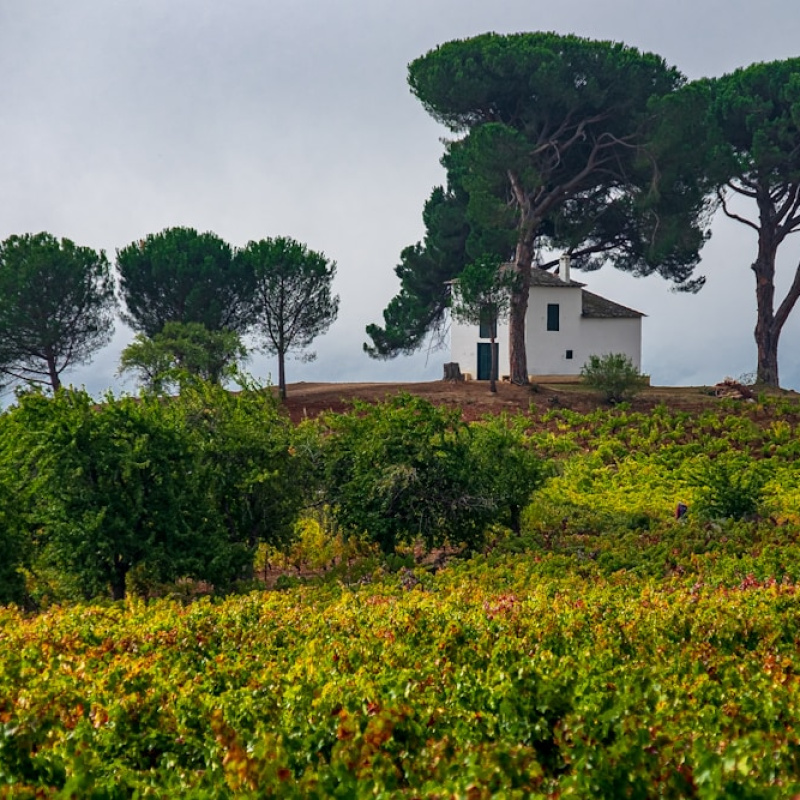
Bierzo, in northwestern Spain, primarily produces distinctive, aromatic red wines from Mencía grapes.
 Spain
Spain
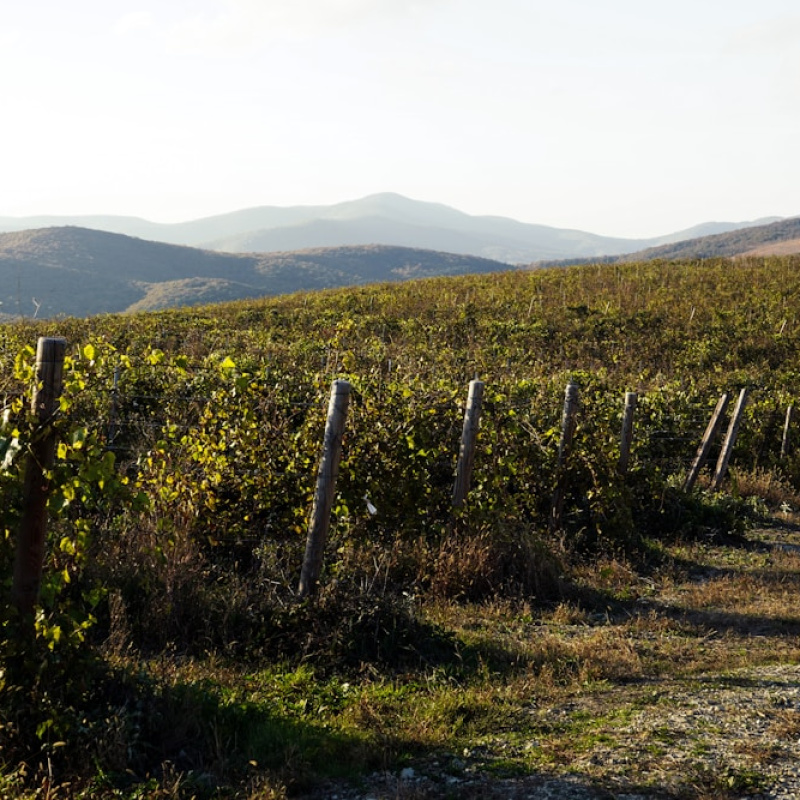
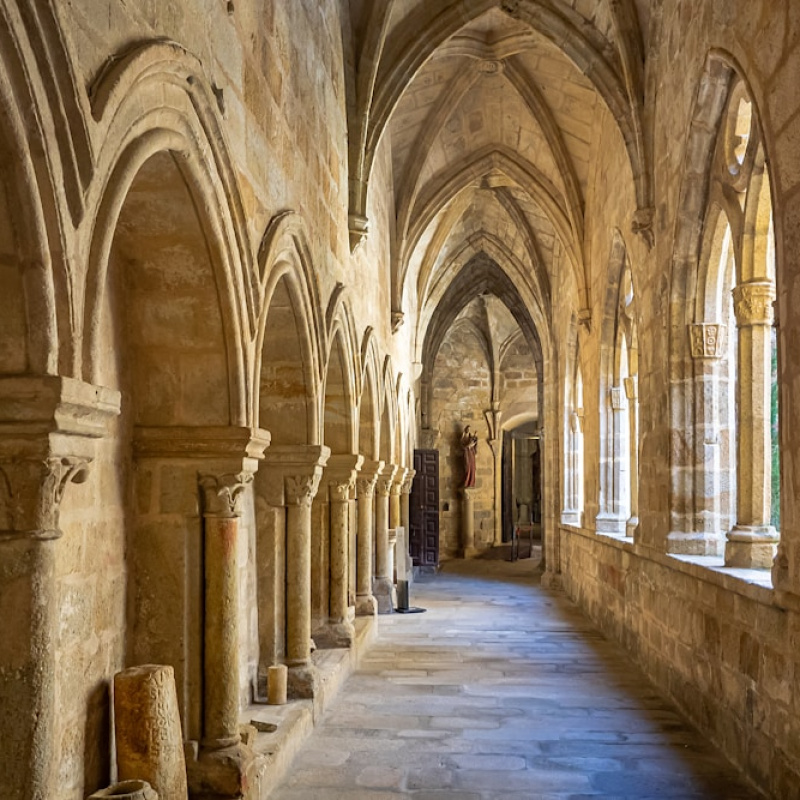
Jerez, in Spain, uniquely produces Sherry, a fortified wine, using local palomino grapes.
 Spain
Spain
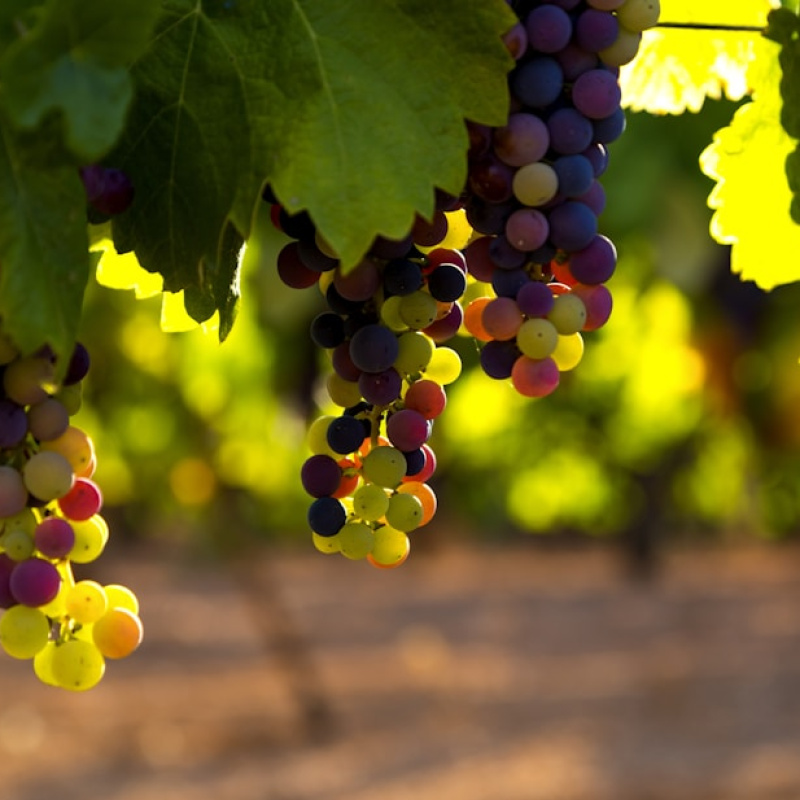
Extremadura, Spain, crafts robust wines from its hot climate, particularly red Tempranillo. Traditional aguardiente, a grape-based spirit, also features.
 Spain
Spain
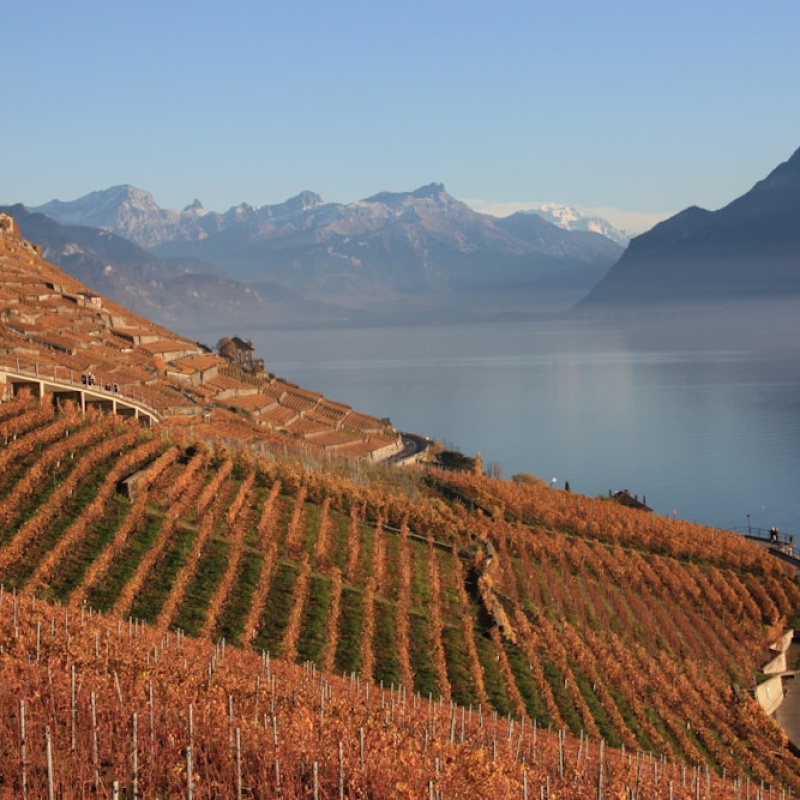
Utiel-Requena, a Spanish region, primarily produces red wines from Bobal grapes. Its hot, dry climate and high-altitude vineyards yield robust, deeply colored wines.
 Spain
Spain
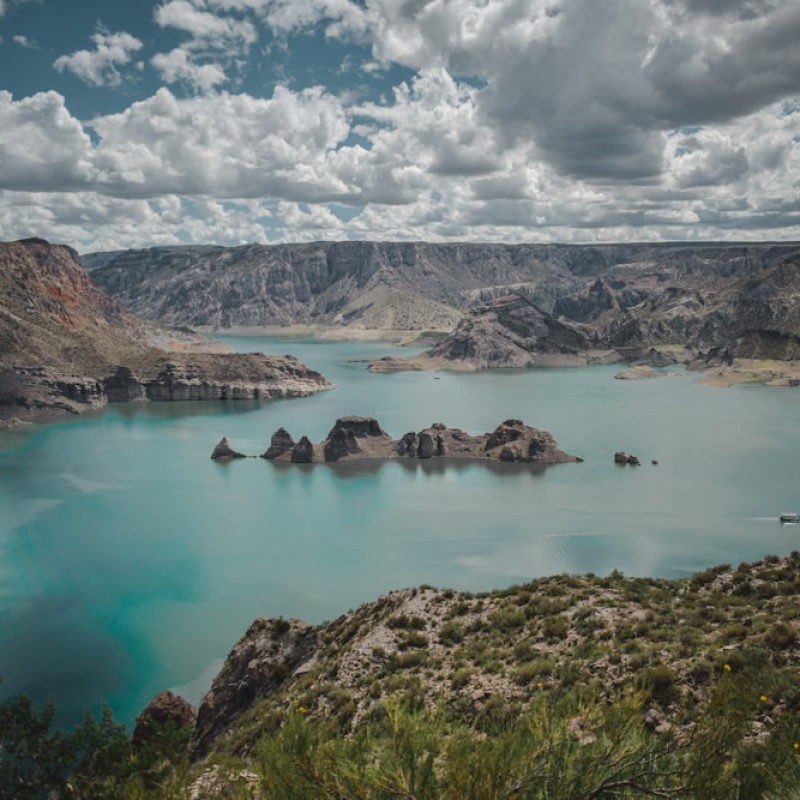
Jumilla, Spain, is renowned for its robust, sun-drenched red wines, primarily from Monastrell grapes.
 Argentina
Mendoza, Argentina, renowned for its Malbec wines, also produces traditional aguardiente and brandy.
 Argentina
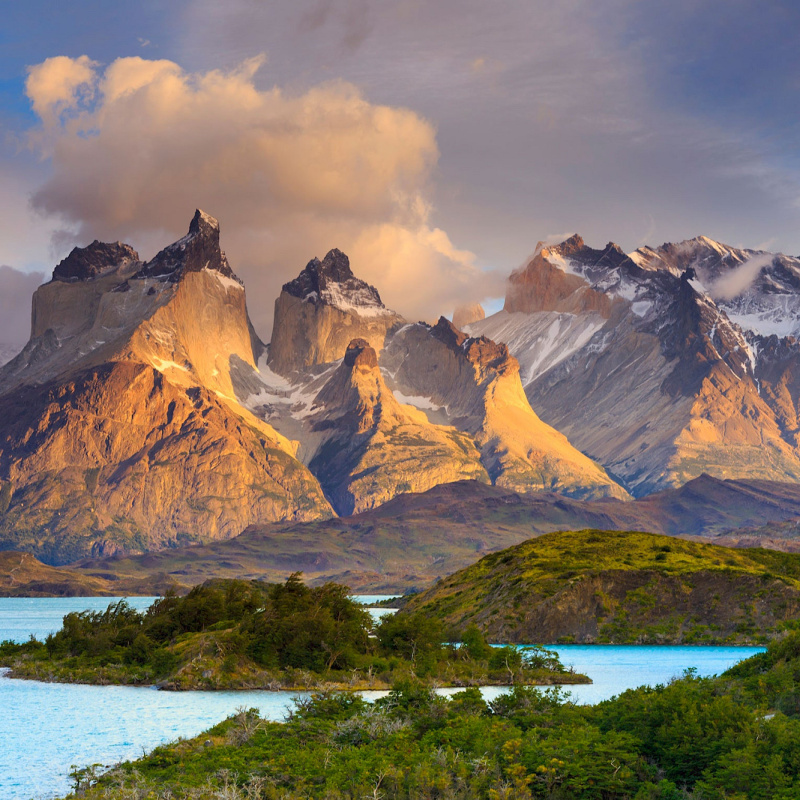
Patagonia's nascent beverage scene features cool-climate wines, often Pinot Noir and Malbec, alongside emerging fruit-based spirits and craft beer.
 Australia
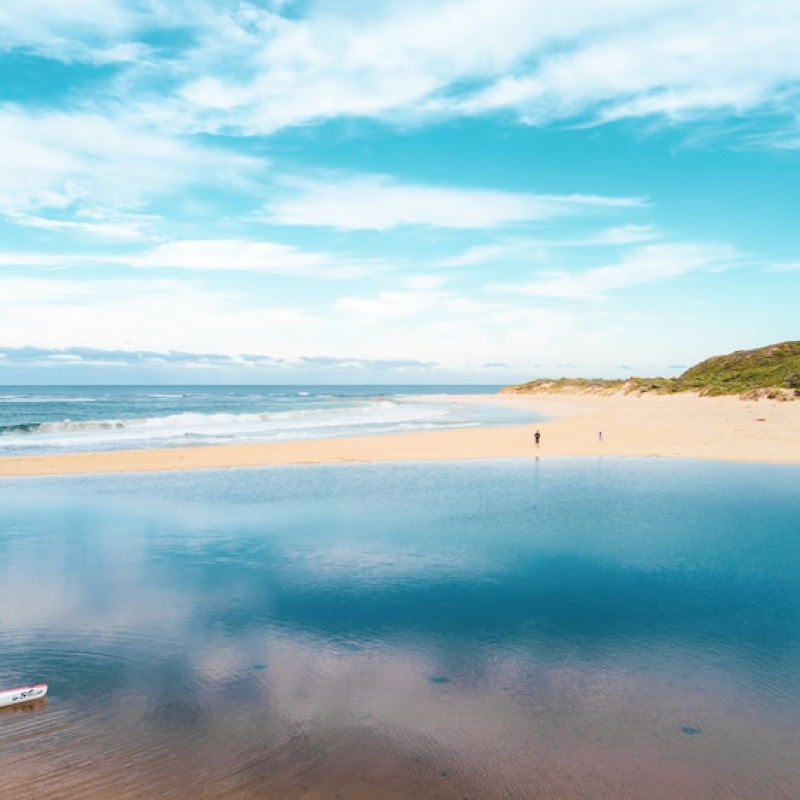
Margaret River, a renowned Australian region, excels in premium, cool-climate wines, particularly Cabernet Sauvignon and Chardonnay.
 Australia
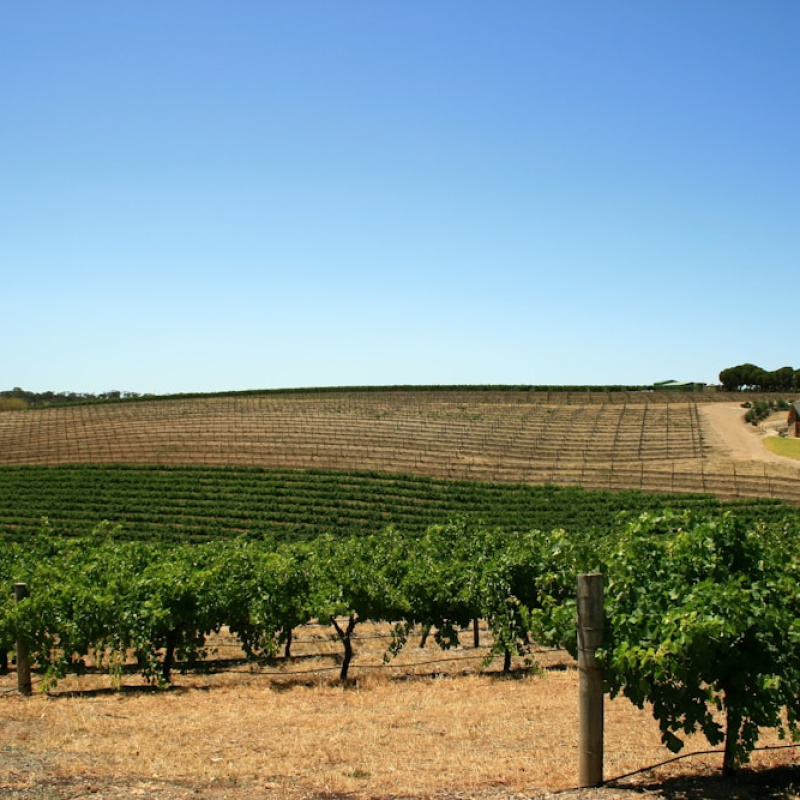
Barossa Valley, South Australia, is renowned for its bold, full-bodied red wines, especially Shiraz, influenced by a warm, dry climate.
 Australia
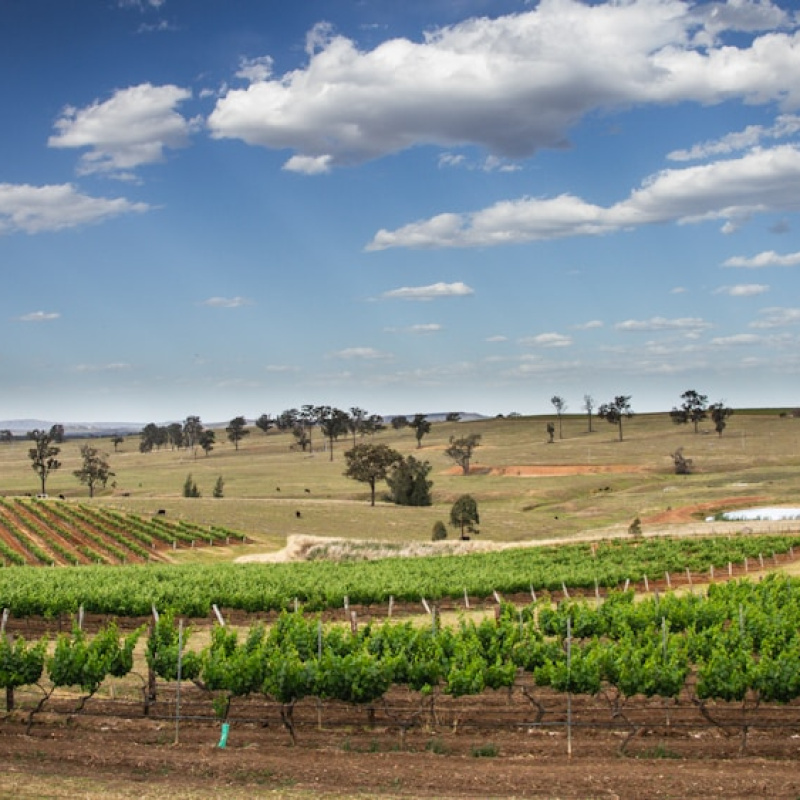
Hunter Valley, Australia, primarily renowned for its premium Semillon and Shiraz wines, boasts a rich winemaking heritage shaped by a warm climate.
 Australia
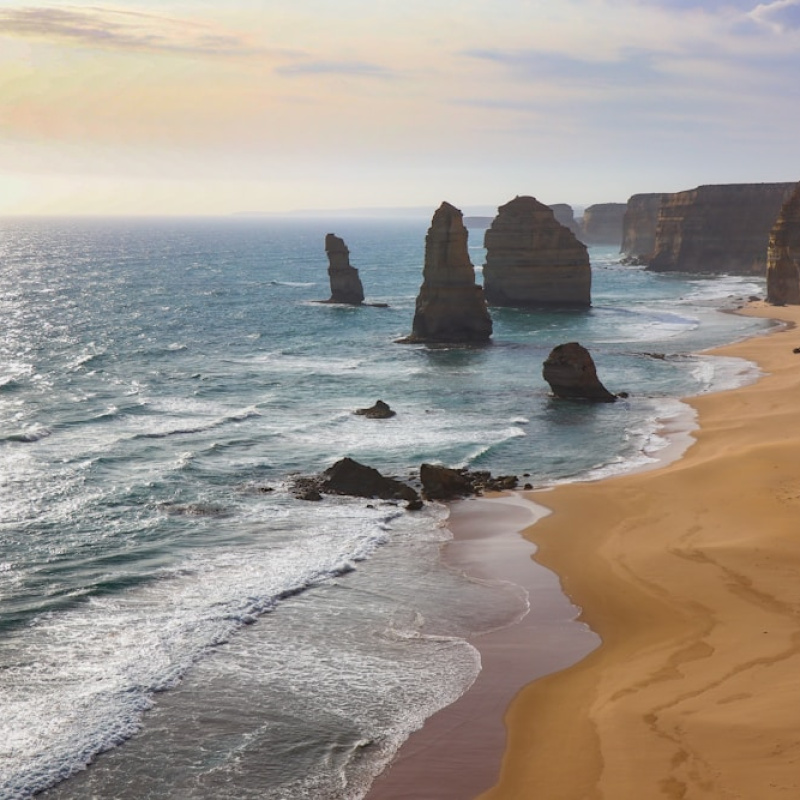
Victoria, Australia, boasts cool-climate wines, particularly Pinot Noir and Chardonnay, alongside burgeoning craft spirits. Historically, fortified wines were prominent.
 New Zealand
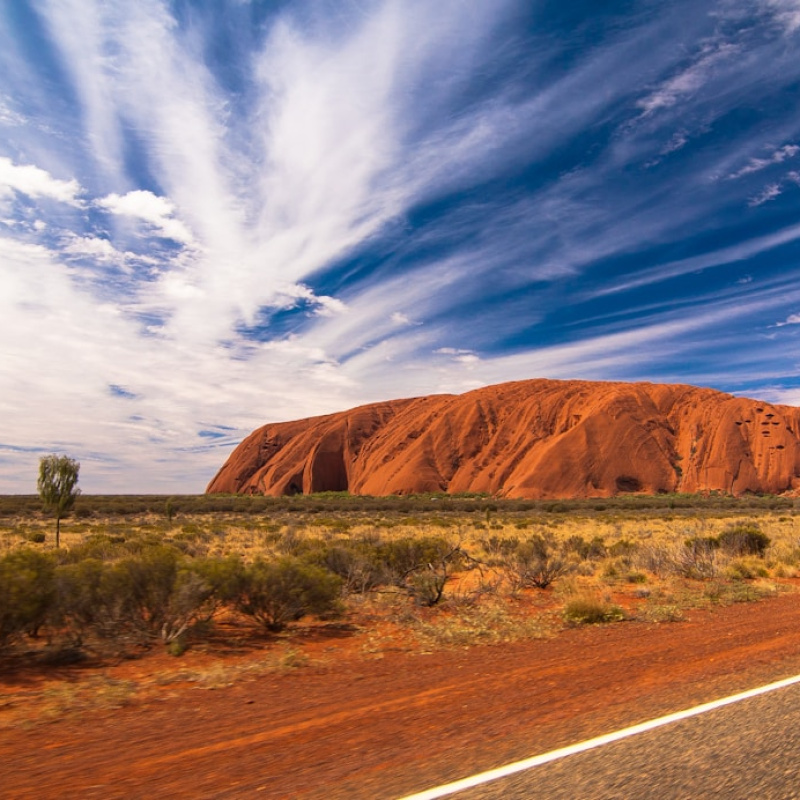
Marlborough, New Zealand, is globally renowned for its Sauvignon Blanc wines, driven by its cool climate and sunny conditions.
 New Zealand
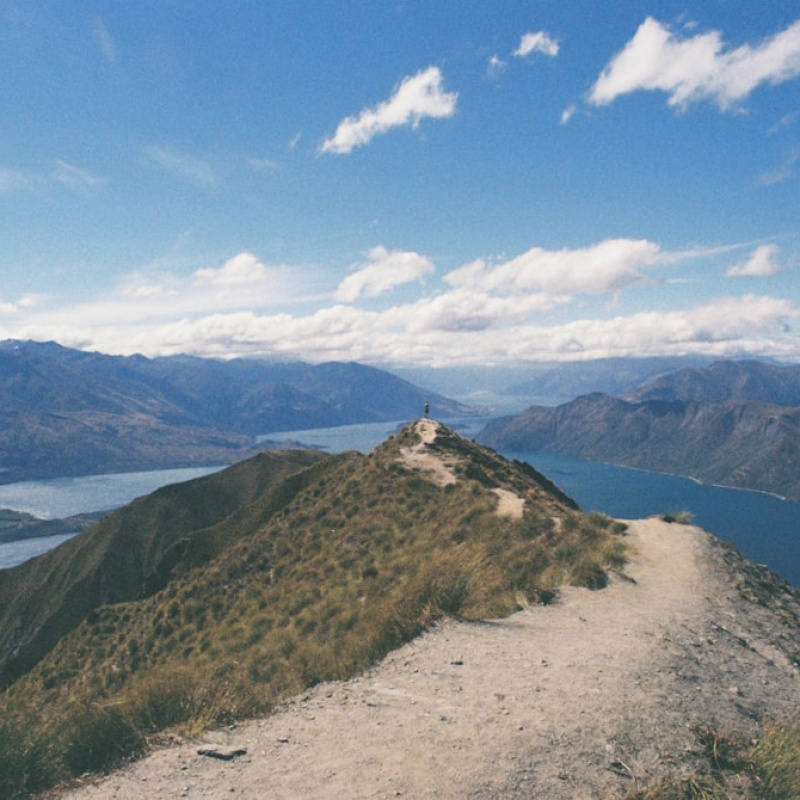
Central Otago, New Zealand, famed for its cool-climate Pinot Noir, also crafts small-batch fruit brandies and whiskeys.
 Canada
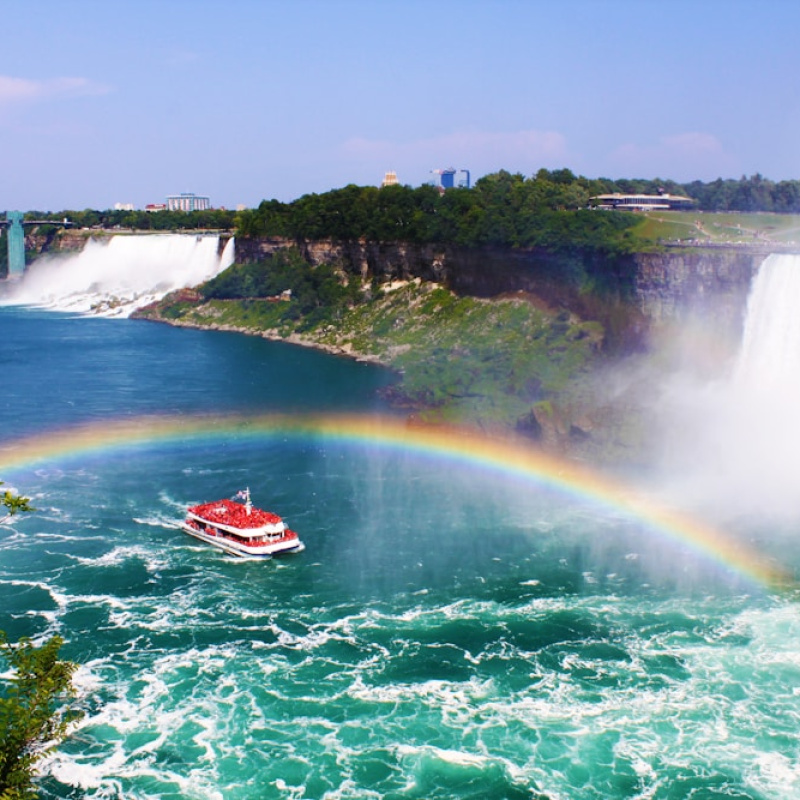
Niagara Peninsula, nestled in Ontario, Canada, thrives on its cool-climate viticulture, producing renowned Icewine alongside quality table wines.
 Canada
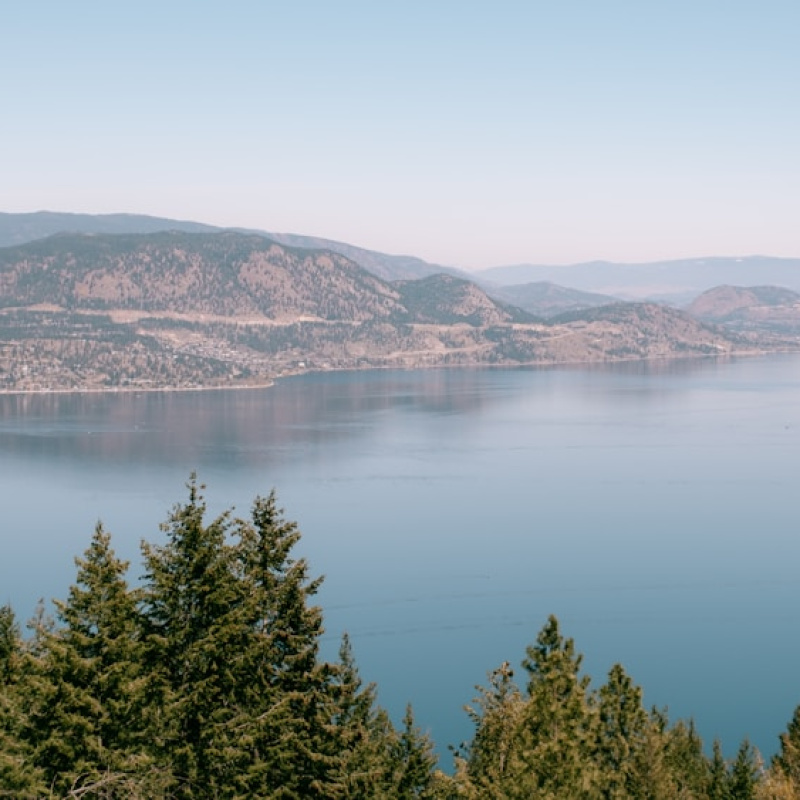
Okanagan Valley, a Canadian gem, crafts world-class wines due to its arid climate and glacial soils.
 Canada
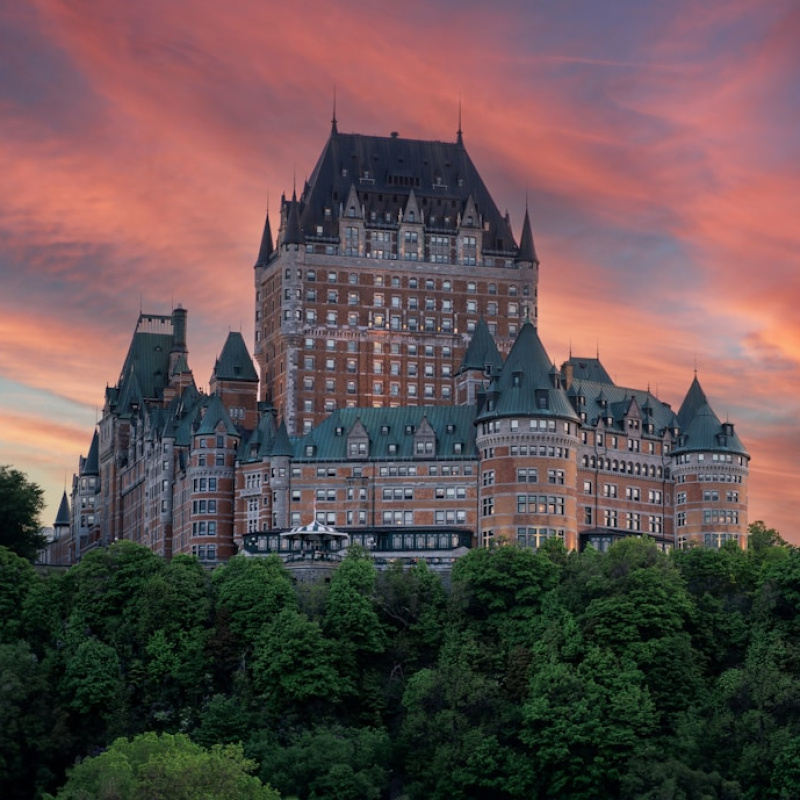
Québec's beverage scene features unique ice wines from its cold climate, alongside traditional maple-based spirits.
 United States
The East Coast, while not as famed as other regions, boasts a growing craft beverage scene.
 United States
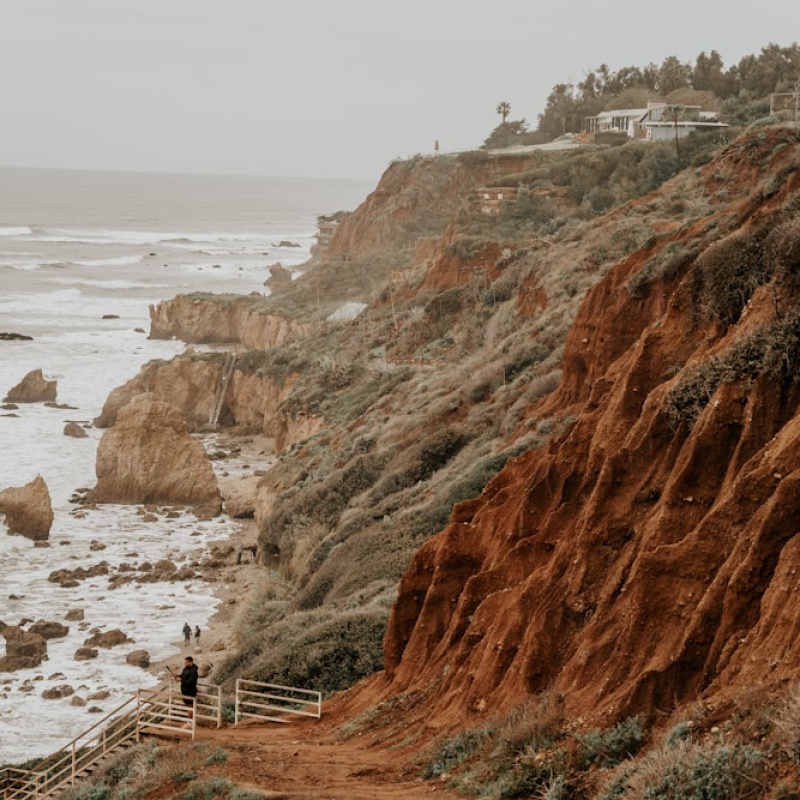
The West Coast, spanning diverse climates, crafts world-renowned wines, particularly from California's Napa Valley. Whiskey production, though smaller, is growing.
 United States
Pennsylvania's diverse climate fosters both wine grape growing and grain cultivation for spirits.
 Germany
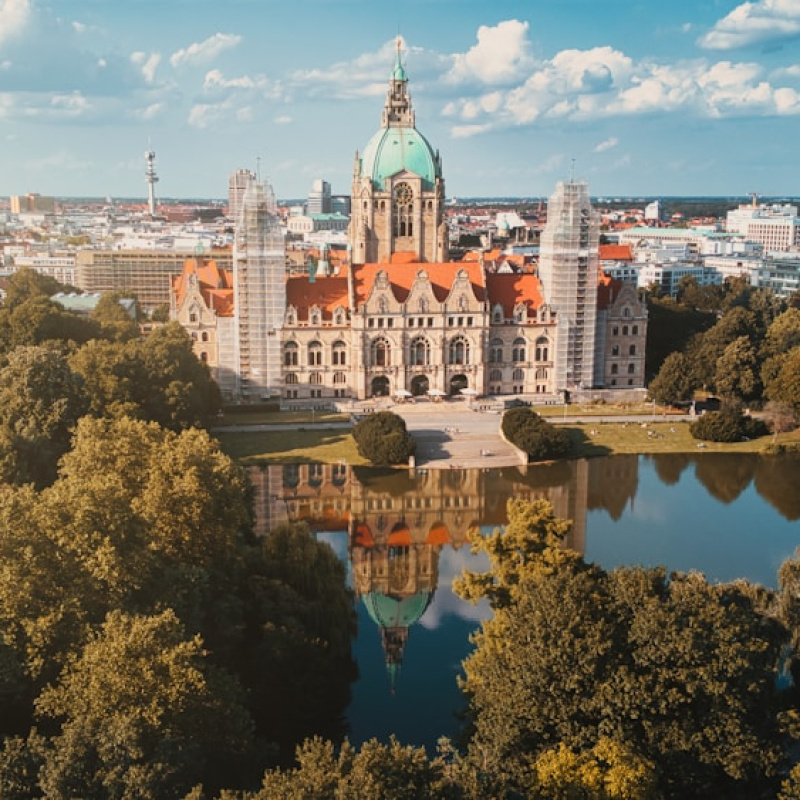
Lower Saxony's alcoholic heritage is not primarily wine-focused, but centers on grain-based spirits.
 United States
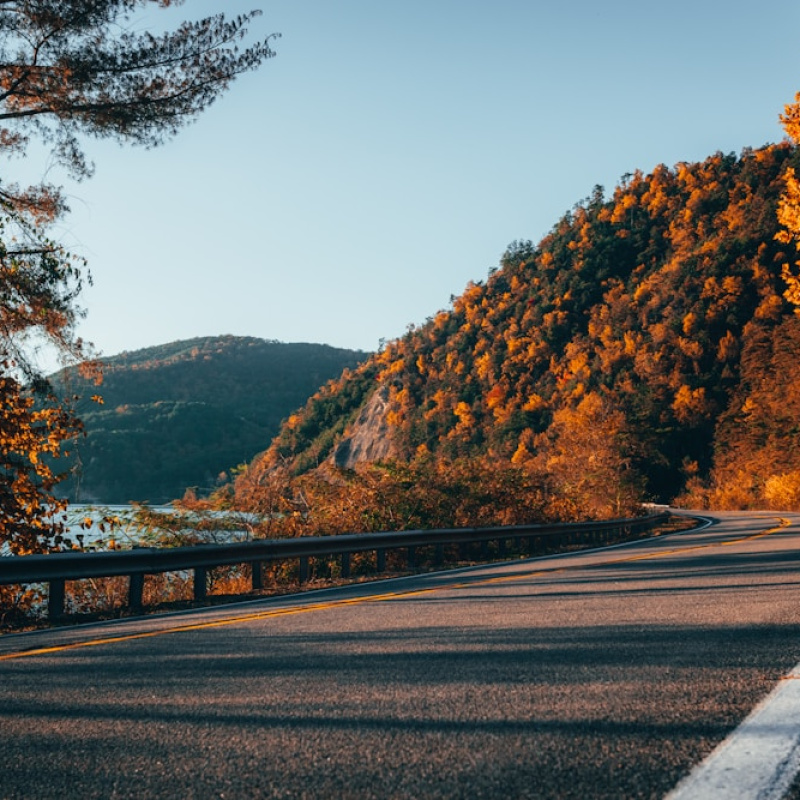
Tennessee, renowned for its whiskey, particularly Tennessee Sour Mash, boasts a rich distilling heritage.
 Scotland
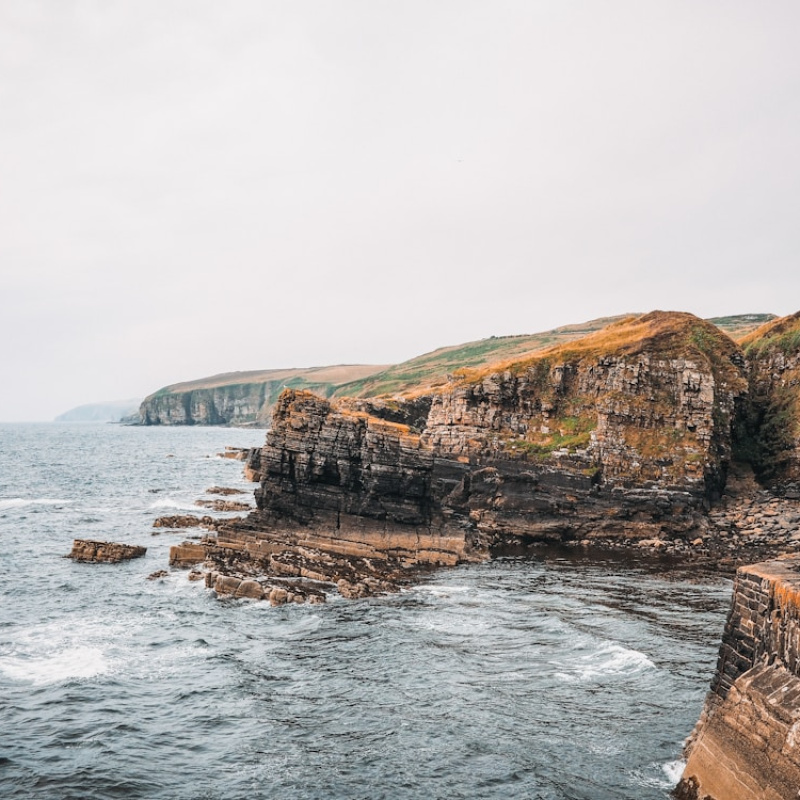
The Highlands, known for Scotch whisky, boasts a cool, damp climate ideal for barley cultivation and aging.
 United States
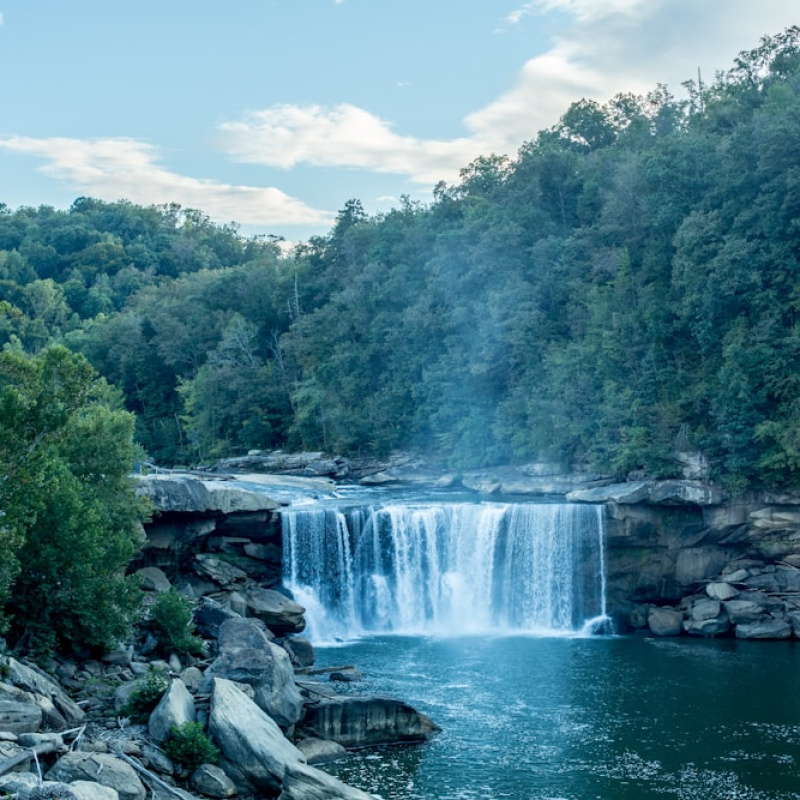
Kentucky is world-renowned for its bourbon whiskey, crafted using traditional methods like sour mash and new charred oak barrels.
 Canada
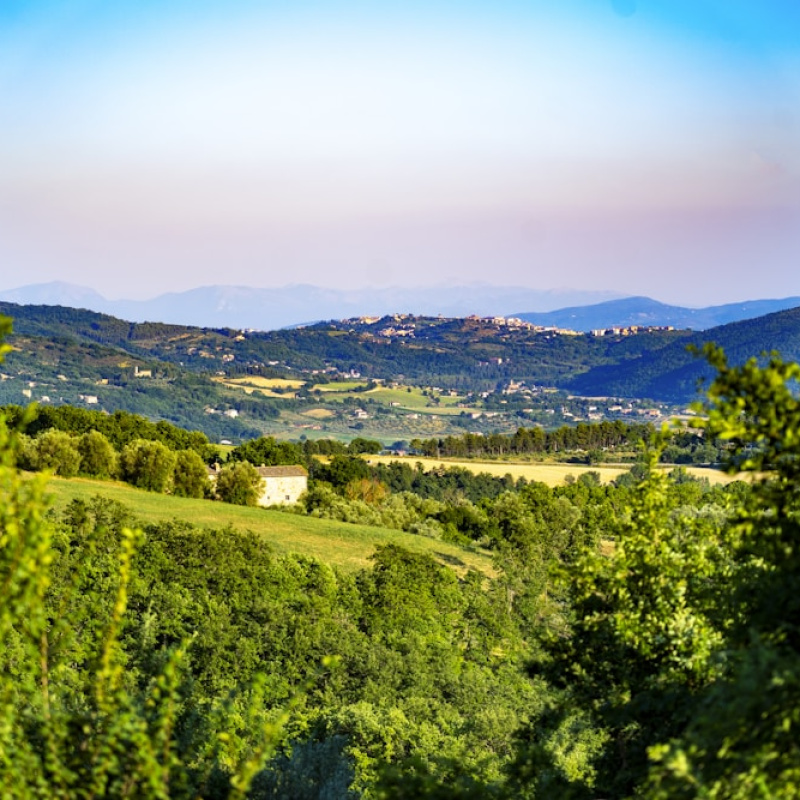
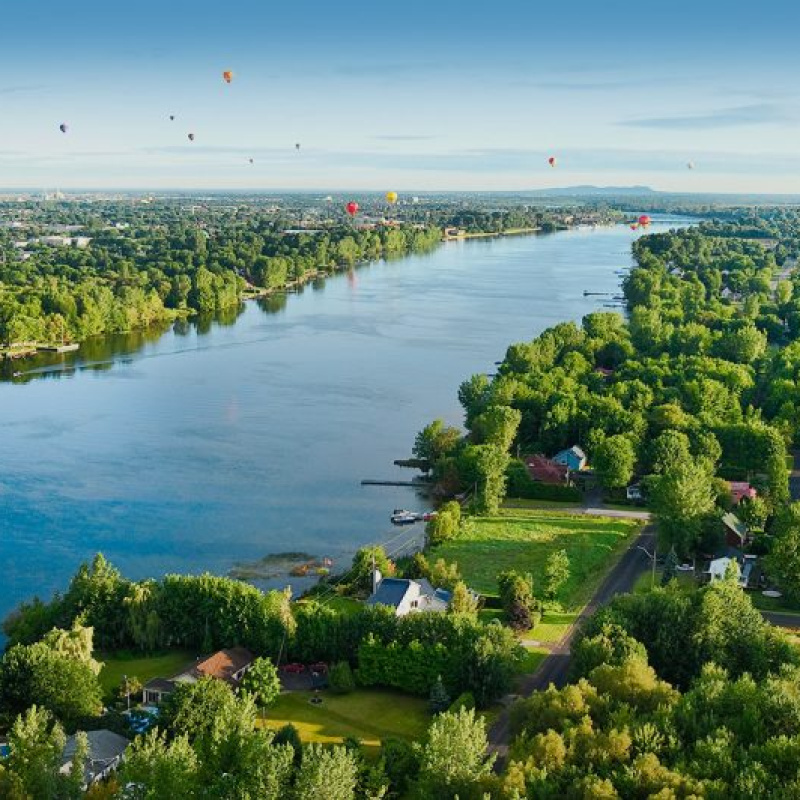
Montérégie, Quebec, boasts a burgeoning wine industry alongside traditional apple-based beverages like cider and ice cider.
 United States
California, a globally renowned beverage producer, boasts diverse wines thanks to its varied climates.
 Japan
Japan
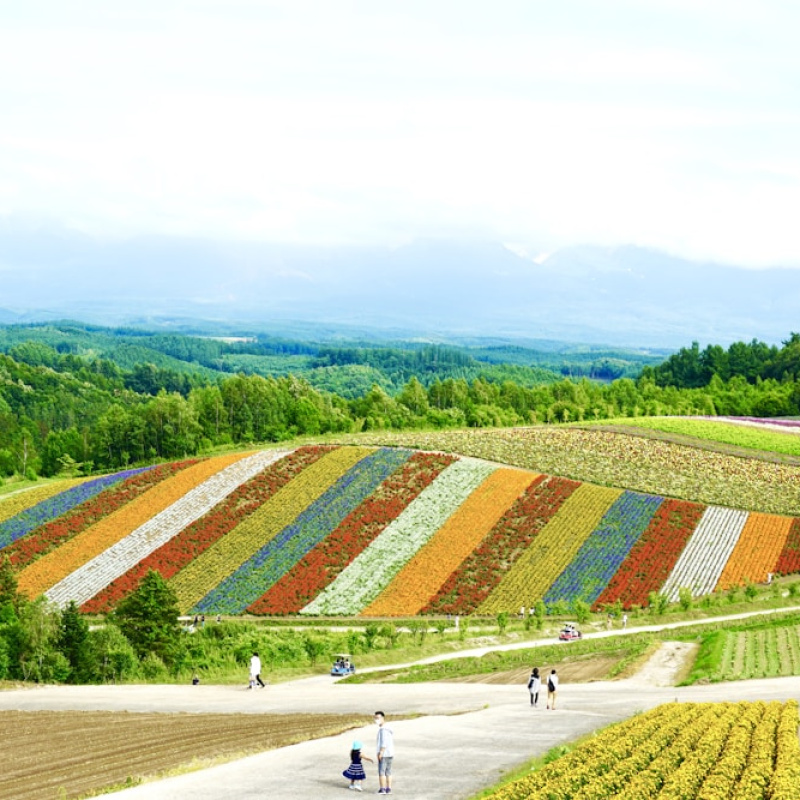
Hokkaido's cool climate fosters unique fruit wines and crisp, clear spirits, notably from locally grown grains and potatoes.
 Japan
Japan
Tohoku's frigid winters and pure mountain water nourish the creation of premium sake, known for its delicate and clean flavors.
 Japan
Japan
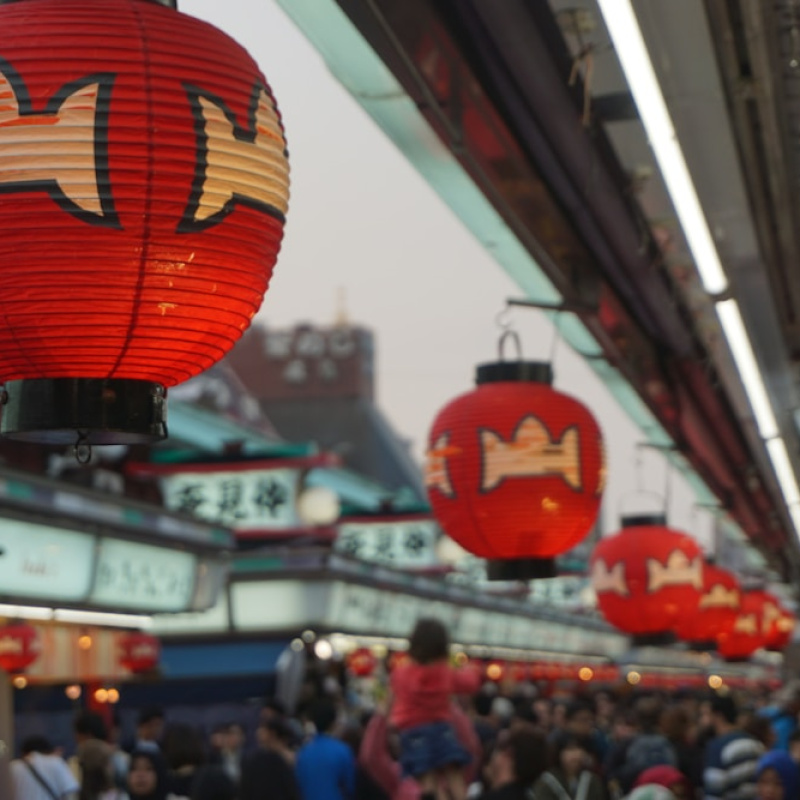
Kanto, Japan, traditionally produces sake from local rice using unique fermentation techniques influenced by the region's humid climate.
 Japan
Japan
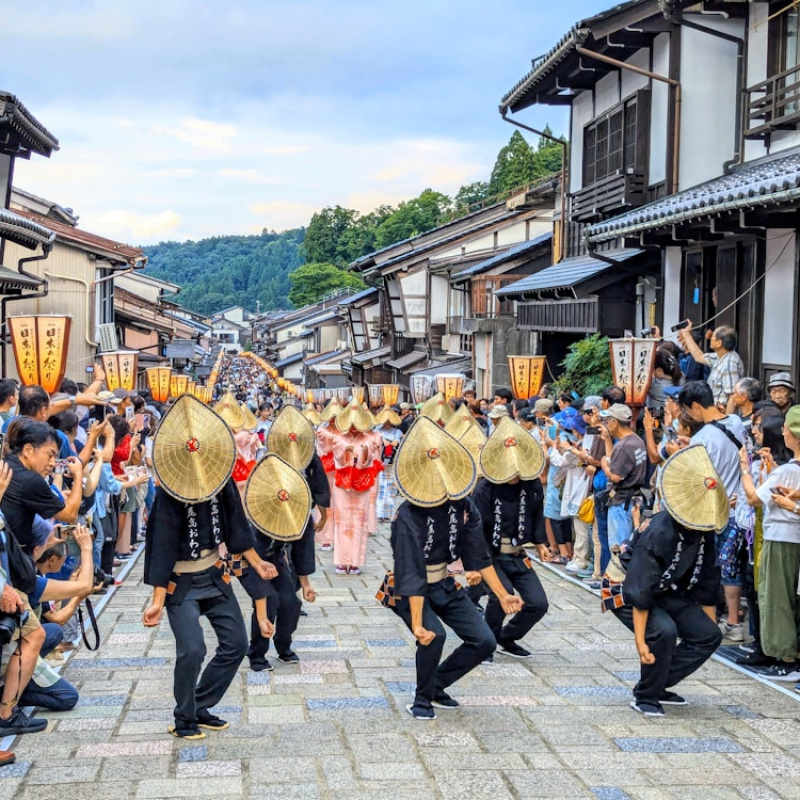
Hokuriku's unique climate and rice cultivation tradition have fostered a strong sake culture.
 Japan
Japan
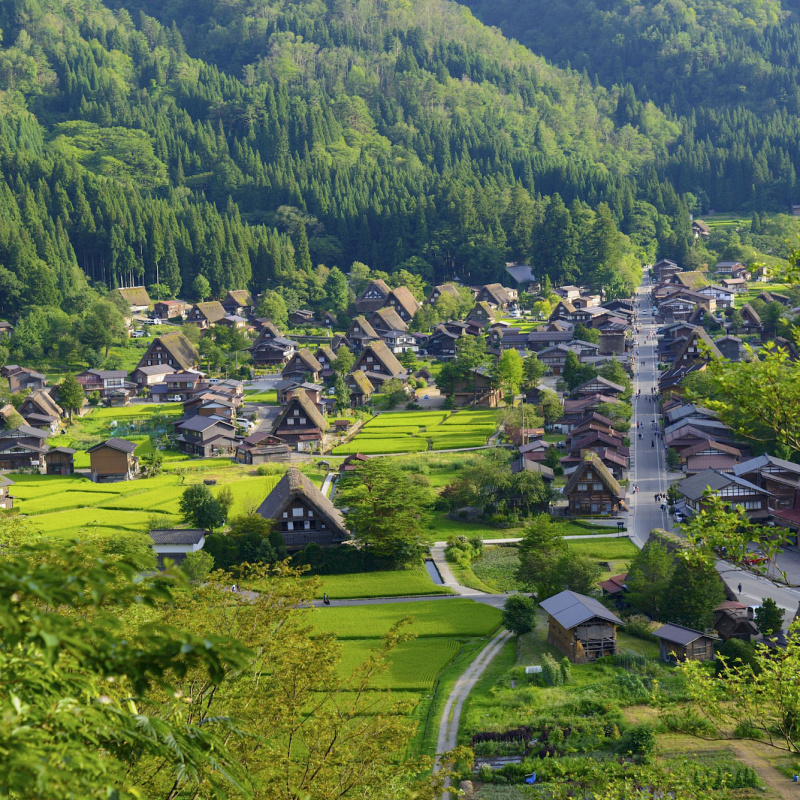
Chubu, Japan, primarily known for sake, also boasts emerging whisky distilleries leveraging its mountainous terrain and pure water.
 Japan
Japan
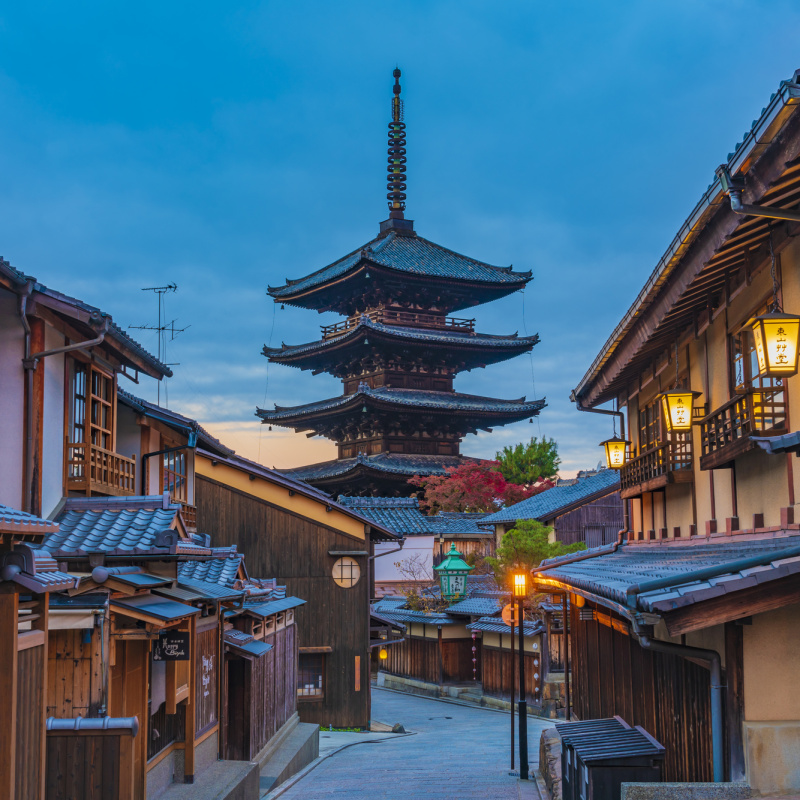
Kinki, Japan, primarily produces sake, not wine or Western spirits. Its climate fosters rice cultivation, essential for sake brewing.

Required for basic site functionality such as security and session handling. Always active.
Enable enhanced functionality such as remembering your preferences.
Help us understand how visitors interact with the website.
Content from video platforms and map services is blocked until you consent.
This content is provided by an external service. It loads only after you allow the “{category}” category.